
No products
Product successfully added to your shopping cart
There are 0 items in your cart. There is 1 item in your cart.
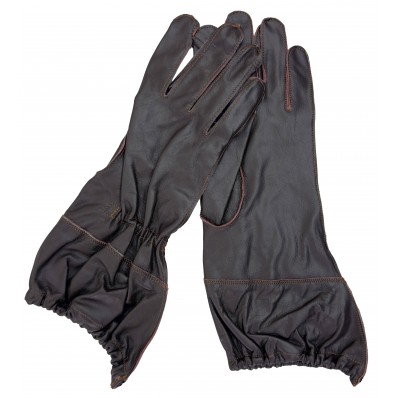
Fallschirmjäger Jump Gloves
New
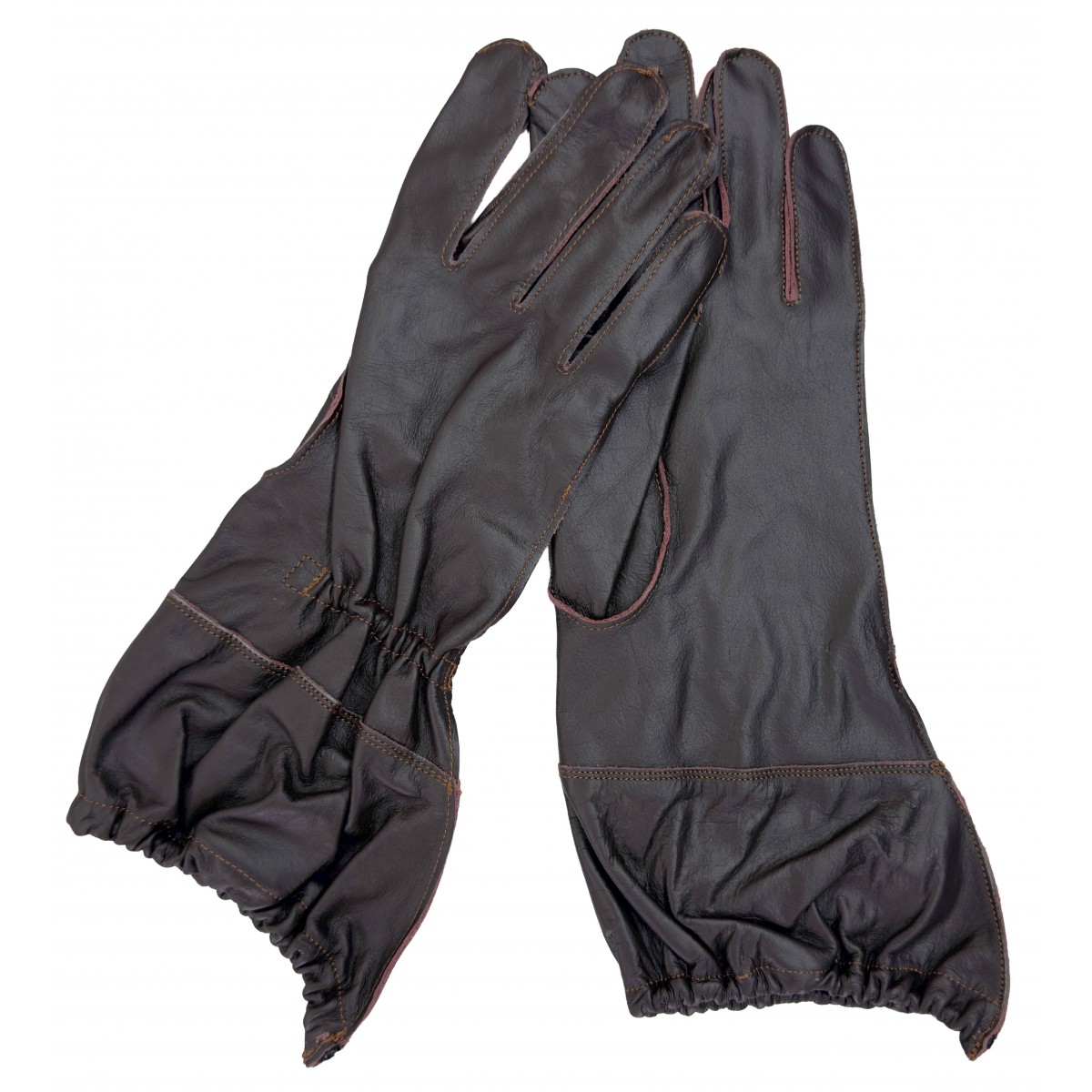
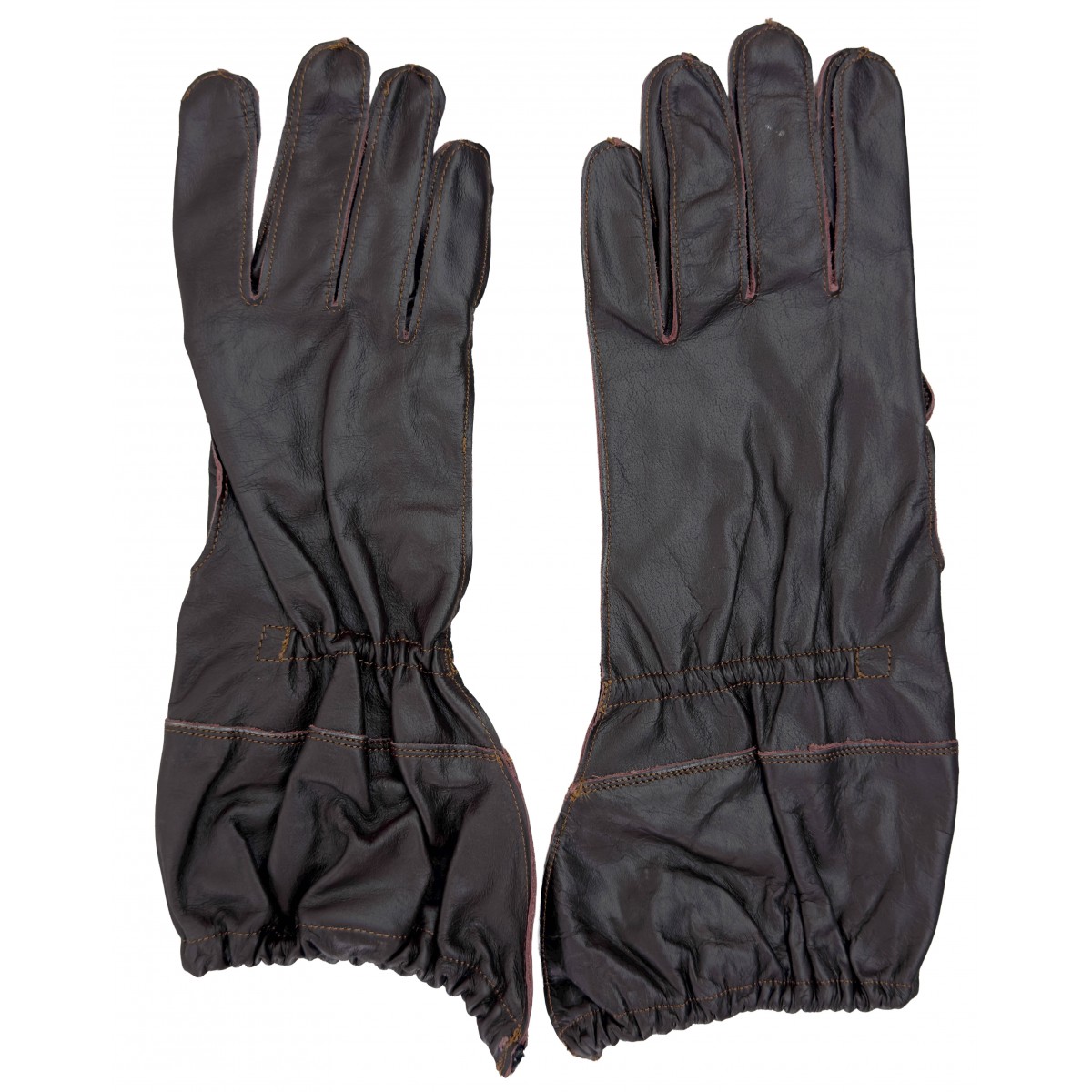
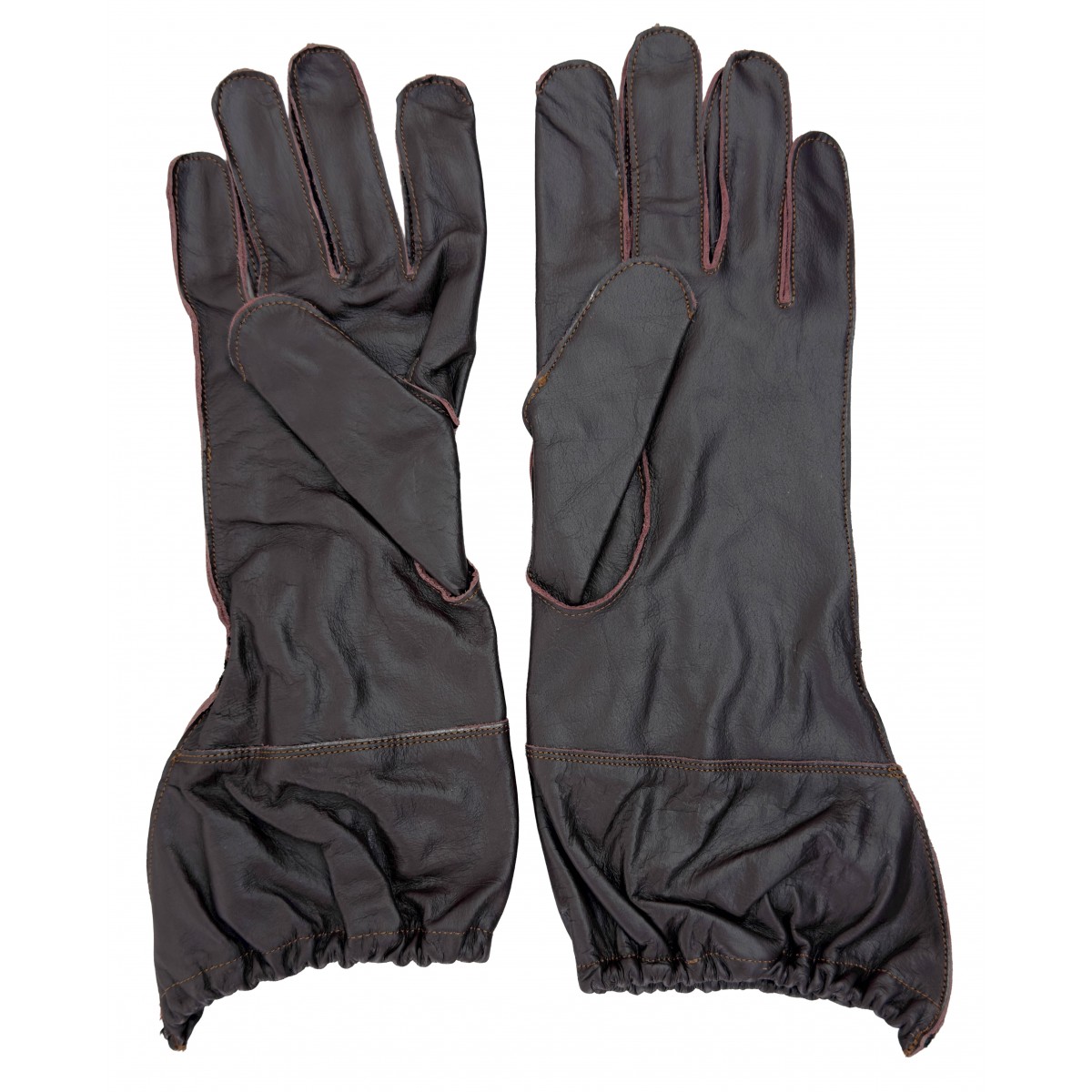
Jump gloves issued to Luftwaffe Fallschirmjäger, distinguished by their long protective cuffs, robust construction and elasticated wrist and upper cuff. Developed as part of the specialized equipment of German paratroopers, they provided additional protection to the hands and wrists during parachute jumps, landings and subsequent field operations.
Warning: Last items in stock!
- Satisfied or refunded: we guarantee 100% secure protection on your purchases
- Free return: return your order free of charge within 30 days from receipt
- Secure payments: pay securely online with PayPal or credit cards

More info
The Fallschirmjäger Jump Gloves formed part of the specialized clothing and equipment developed by the Luftwaffe for its airborne troops before and during the Second World War. German paratroopers required equipment designed not only for ground combat but also for the unique physical demands associated with leaving an aircraft by parachute and landing under combat conditions.
Unlike ordinary service gloves, this distinctive pattern featured a particularly robust construction and, most visibly, long protective cuffs extending well beyond the wrist.
The extended cuff served an important practical purpose. The gloves could be worn over the sleeves of the Knochensack, the characteristic Fallschirmjäger jump smock, creating a more continuous protective covering between the hands, wrists and forearms.
This arrangement also reduced the likelihood of the sleeves moving backwards during sudden movement and helped protect the otherwise exposed wrist area.
Another characteristic feature was the use of elasticated sections to secure the gloves in position. Elastic around the wrist held the glove firmly around the hand, while a second elasticated area around the upper cuff helped keep the long gauntlet section positioned over the sleeve.
This simple arrangement avoided the need for complicated straps or buckles while ensuring that the gloves remained secure during airborne operations.
The conventional five-finger construction retained the dexterity required to handle straps, buckles and field equipment. Once on the ground, the paratrooper also needed to be able to operate his weapons and personal equipment without unnecessarily removing his gloves.
The characteristic brown appearance has become closely associated with this type of Fallschirmjäger equipment and complements the distinctive appearance of the other specialized garments and equipment issued to Luftwaffe airborne troops.
The need for protective gloves becomes particularly clear when considering the parachute systems and landing techniques employed by German Fallschirmjäger.
Early German military parachutes gave the jumper comparatively limited control over his descent and direction of landing. Correct execution of the parachute landing fall was therefore essential to reducing the possibility of injury.
For this reason, German airborne equipment incorporated several specialized forms of protection.
In addition to the gloves, Fallschirmjäger were equipped with padded knee and elbow protectors, purpose-designed jump boots and the distinctive M38 paratrooper helmet.
The gloves should therefore be understood as part of a complete protective system for airborne operations, rather than simply as ordinary cold-weather handwear.
Hands and wrists could easily come into contact with the ground, vegetation, parachute equipment or other obstacles during a hard landing, making a secure and durable protective glove particularly valuable.
After landing, the gloves remained useful during movement and combat on the ground. Their construction provided additional protection against abrasion, dirt and minor injuries while allowing the wearer to continue handling his equipment.
The long cuffs also became part of the distinctive visual appearance of early Fallschirmjäger equipment. Worn together with the Knochensack jump smock, M38 helmet and specialized jump boots, they illustrate how extensively the Luftwaffe adapted clothing to the requirements of airborne warfare.
Surviving original examples can show differences in leather, lining, construction details and manufacturer markings. Multiple suppliers and changing wartime conditions naturally resulted in some variation between individual pairs.
The fundamental design remained recognizable, however: a durable five-finger glove, extended protective gauntlets and a secure fit around the wrist and forearm.
The Fallschirmjäger gloves therefore provide an excellent example of the specialized nature of German airborne equipment. Even an apparently simple item such as a pair of gloves was modified to meet the demands of troops who had to enter the battlefield by jumping directly from an aircraft.
Historical curiosity: the distinctive long cuffs were not simply intended to keep the wearer's hands warm. They formed part of a wider system intended to reduce injuries during parachute landings. Early German parachute designs gave the jumper relatively little control during descent, so Fallschirmjäger were trained in specific landing techniques and equipped with padded knee and elbow protectors, specialized boots, a dedicated helmet and long-gauntlet gloves. The unusual shape of the gloves is therefore directly connected to the parachuting methods used by German airborne troops during the period.
Data sheet
| Material | 100% Cowhide- remanufacture of the FJ leather glove - long cuffs - elastic ribbon on wrist and cuff |
30 other products in the same category:

Customers who bought this product also bought:
Field and Personal Equipment
- Germany
- Uniforms
- Medals, Orders and Decorations
- Badges and Pins
- ID Tags
- Arm Shields
- Helmets
- Helmet Decals
- Visor Caps and Hats
- Cap and Helmet Badges
- Collar Tabs Badges
- Collar Tabs, Shoulder Boards and Epaulettes
- Arm Bands
- Division Cuff Titles
- Buckles And Belts
- Buttons For Uniforms
- Stamps
- Gorgets
- Rings
- SS Honour Ring in 925 Silver - Collector's Set
- Poletops
- Flags
- Daggers and Knives (Ornamental)
- Field Marshal Batons
- Field and Personal Equipment
- Service Watches
- Presentation Cases
- Documents and Award Letters
- Busts, Eagles, Lighters and Miscellaneous
- Croatian and Ustasha Militaria
- Denazified Articles
- Commemorative Necklaces
- Spare Parts, Small Parts and Accessories
- Italy
- Medals and Decorations
- Brevets And Badges
- Battle Shields and Tags
- Gorgets
- Visor Caps and Hats
- Cap and Helmet Badges
- Helmets Decals
- Friezes for Collar Tabs
- Collar Tabs, Shoulder Boards and Epaulettes
- Buckles
- Belts
- Buttons For Uniforms
- Rings
- Poletops
- Italian Resistance
- Keyrings
- Wallshields
- Daggers and Knives
- Flags
- Busts and Eagles
- Souvenirs
- Commemorative Necklaces
- Imperial Germany
- Soviet Union
- Other Countries