
No products
Product successfully added to your shopping cart
There are 0 items in your cart. There is 1 item in your cart.
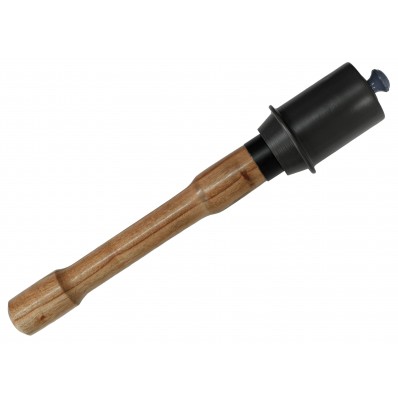
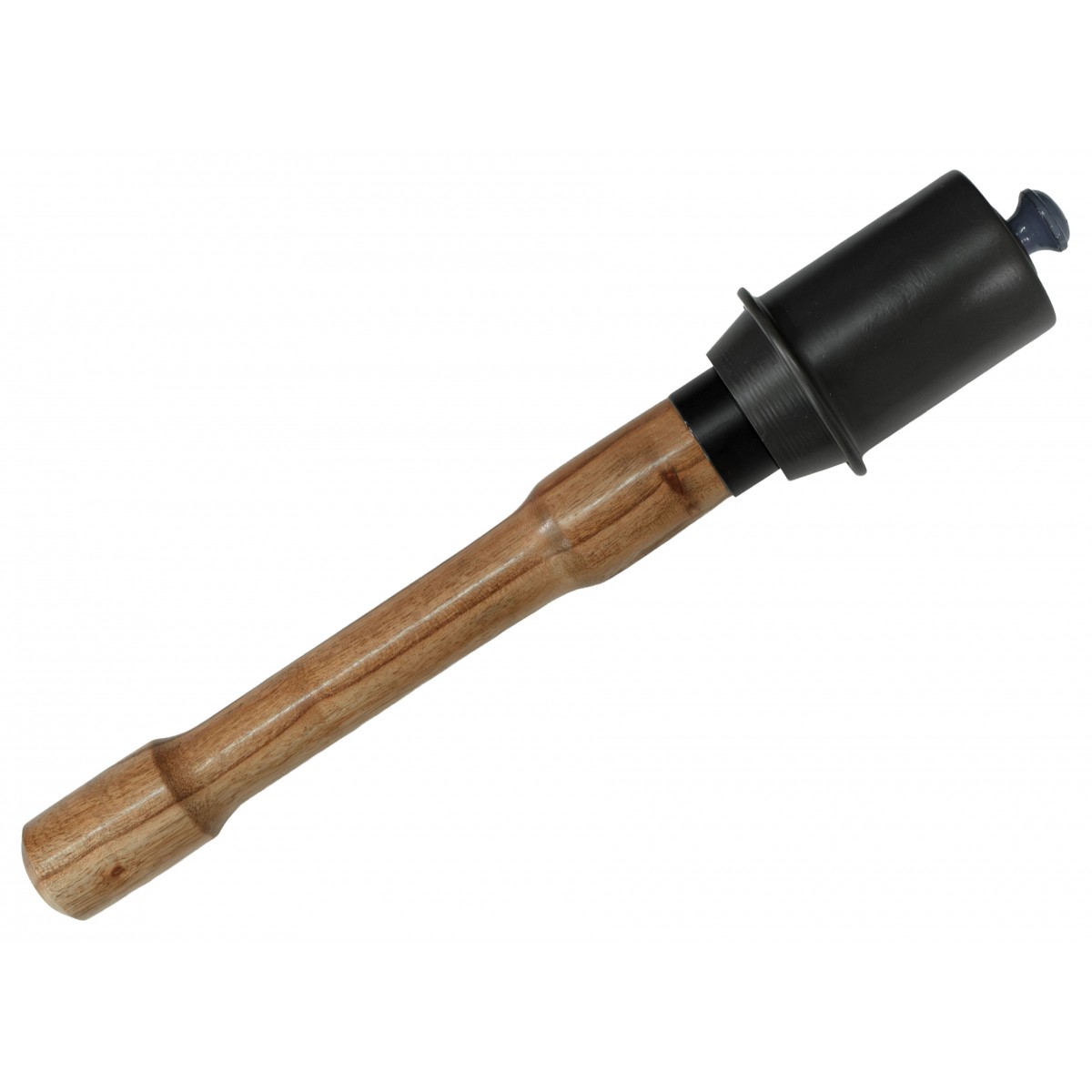
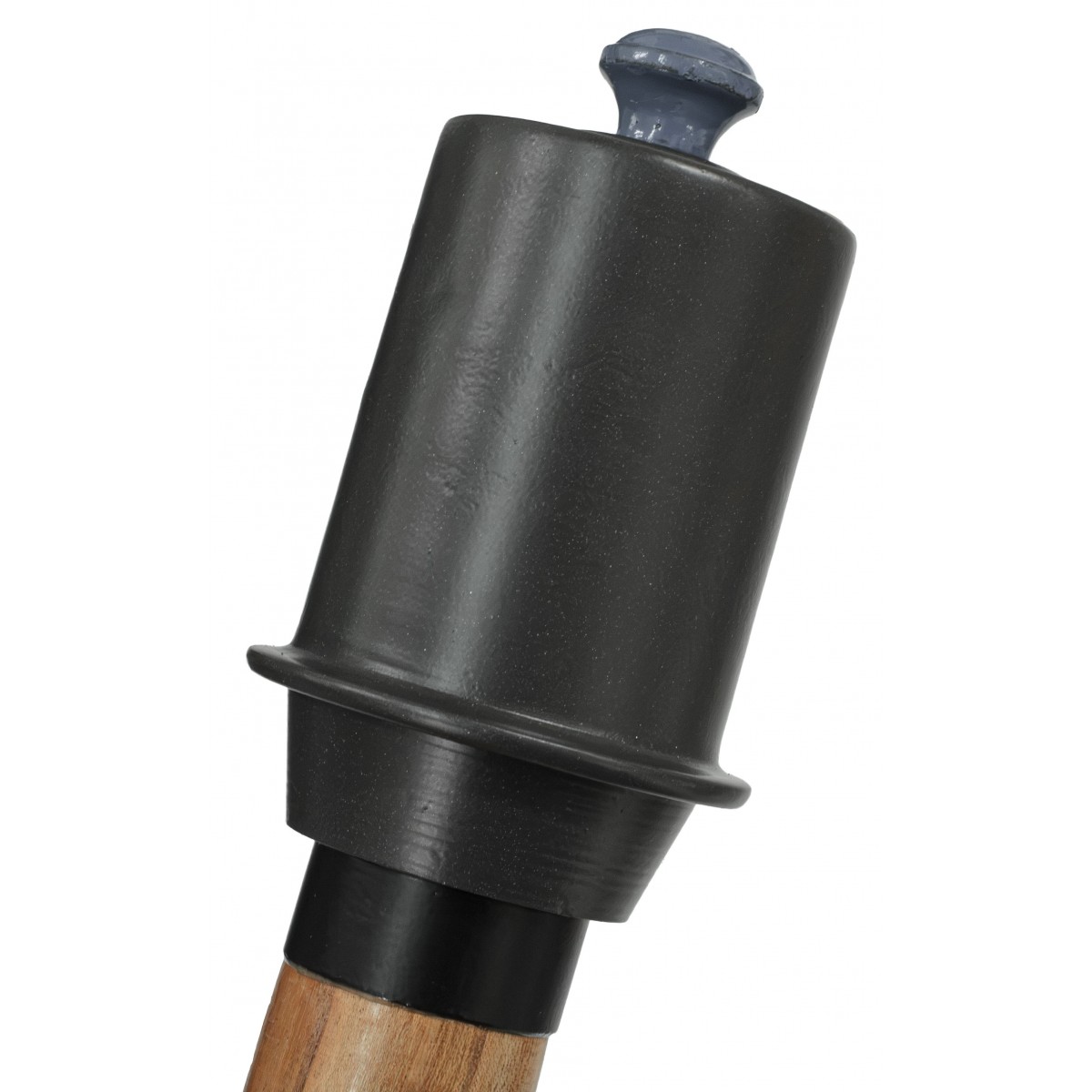
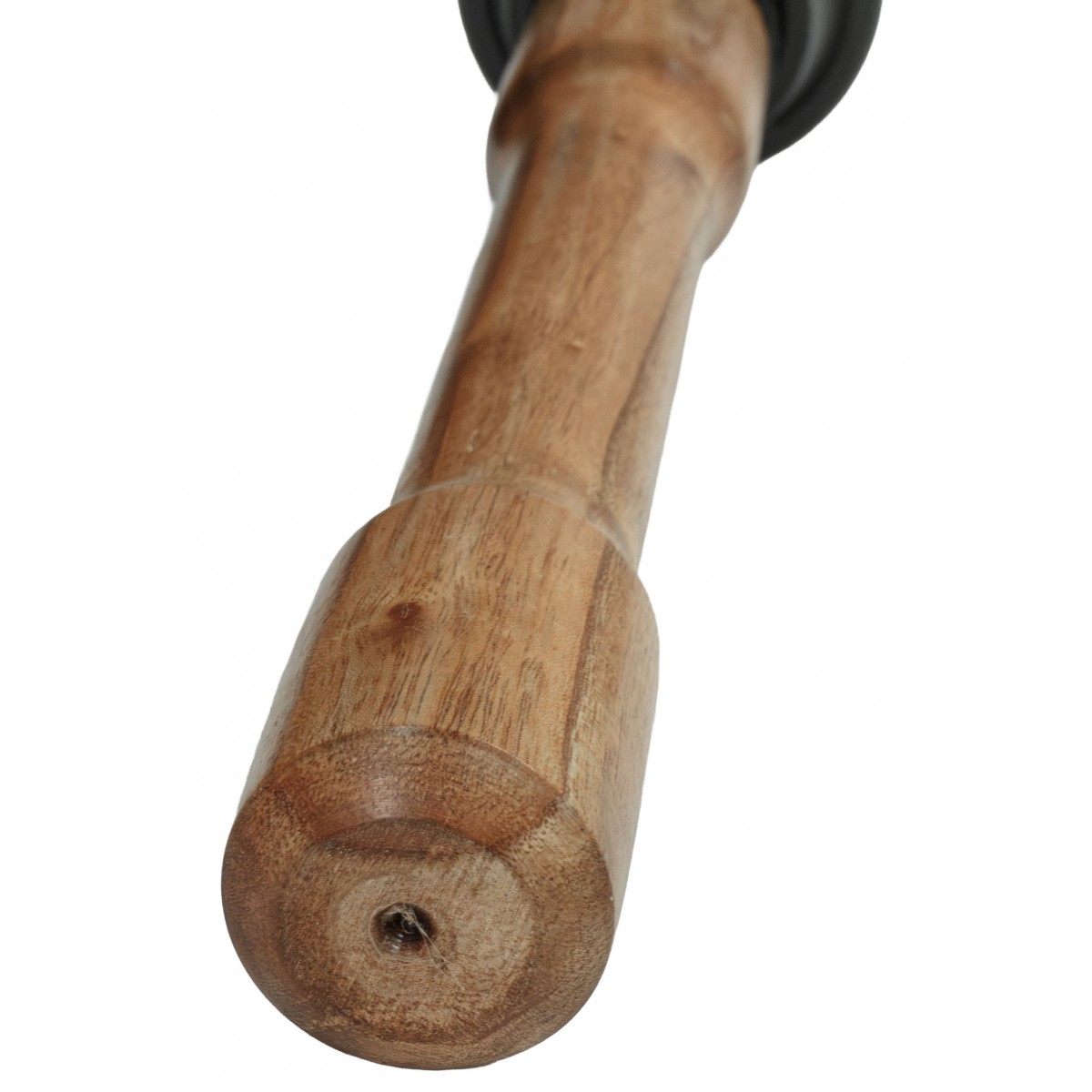
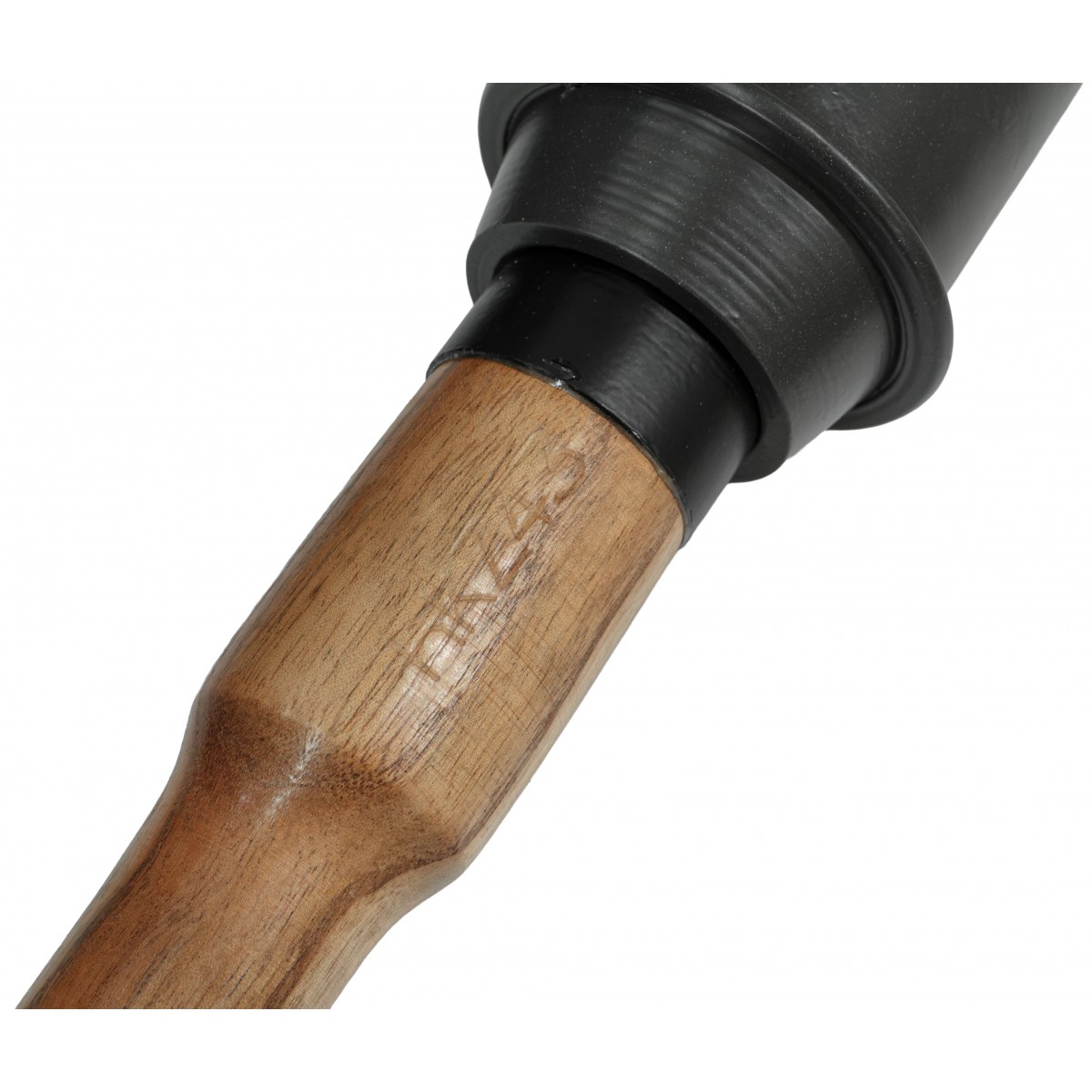
M43 Stielhandgranate – Late-War German Grenade
New
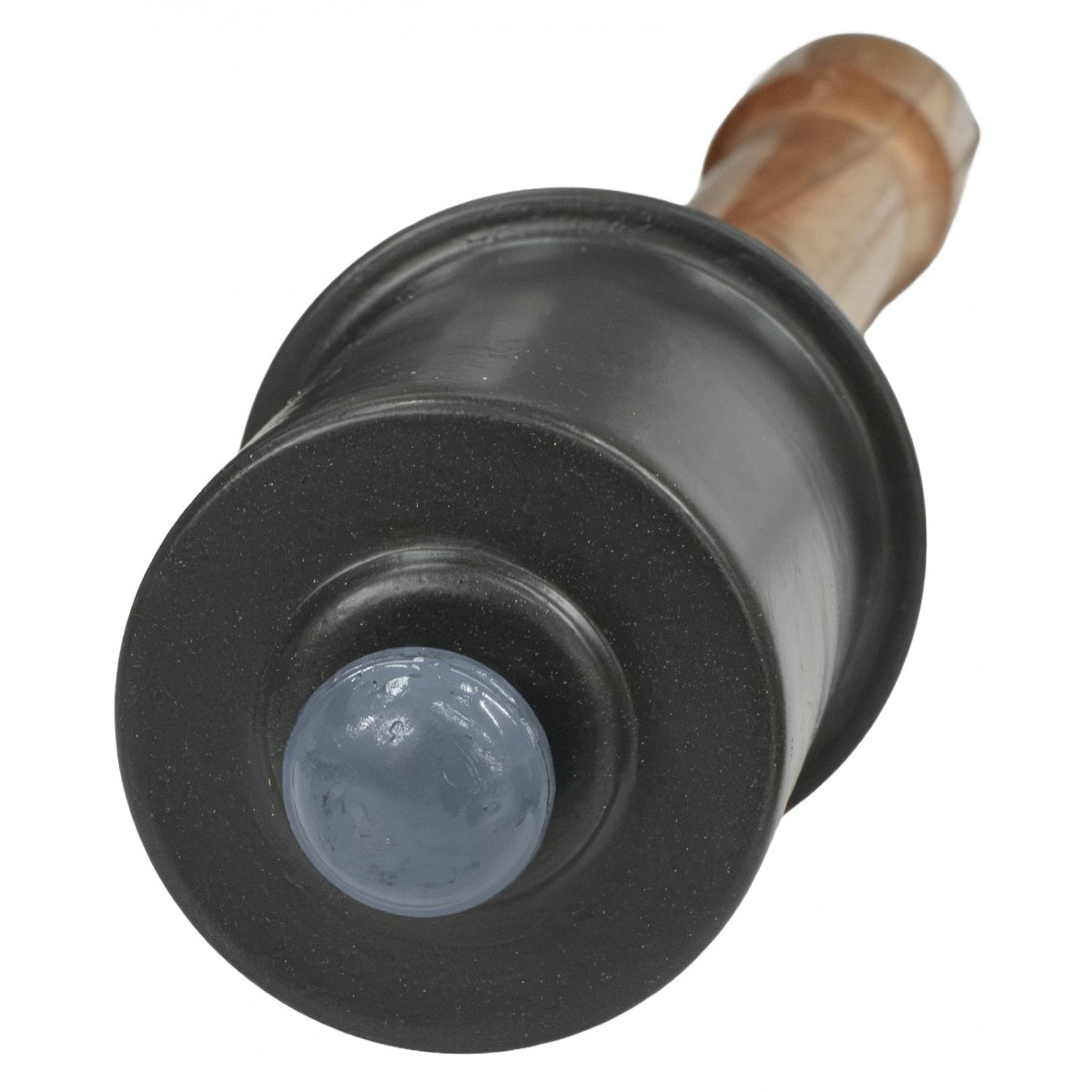
German Stielhandgranate 43, developed as a simplified successor to the M24 stick grenade. Its principal identifying features are the solid wooden handle and the igniter mounted directly on top of the explosive head. Large-scale production and issue occurred mainly from 1944 until the end of the Second World War.
Warning: Last items in stock!
- Satisfied or refunded: we guarantee 100% secure protection on your purchases
- Free return: return your order free of charge within 30 days from receipt
- Secure payments: pay securely online with PayPal or credit cards

More info
The Stielhandgranate 43, commonly abbreviated M43, was developed during the final phase of the Second World War as a simplified replacement for the Stielhandgranate 24. Although its design originated in 1943, large-scale manufacture and troop issue occurred mainly during 1944. It retained the familiar cylindrical head and long wooden handle but required fewer components and manufacturing operations.
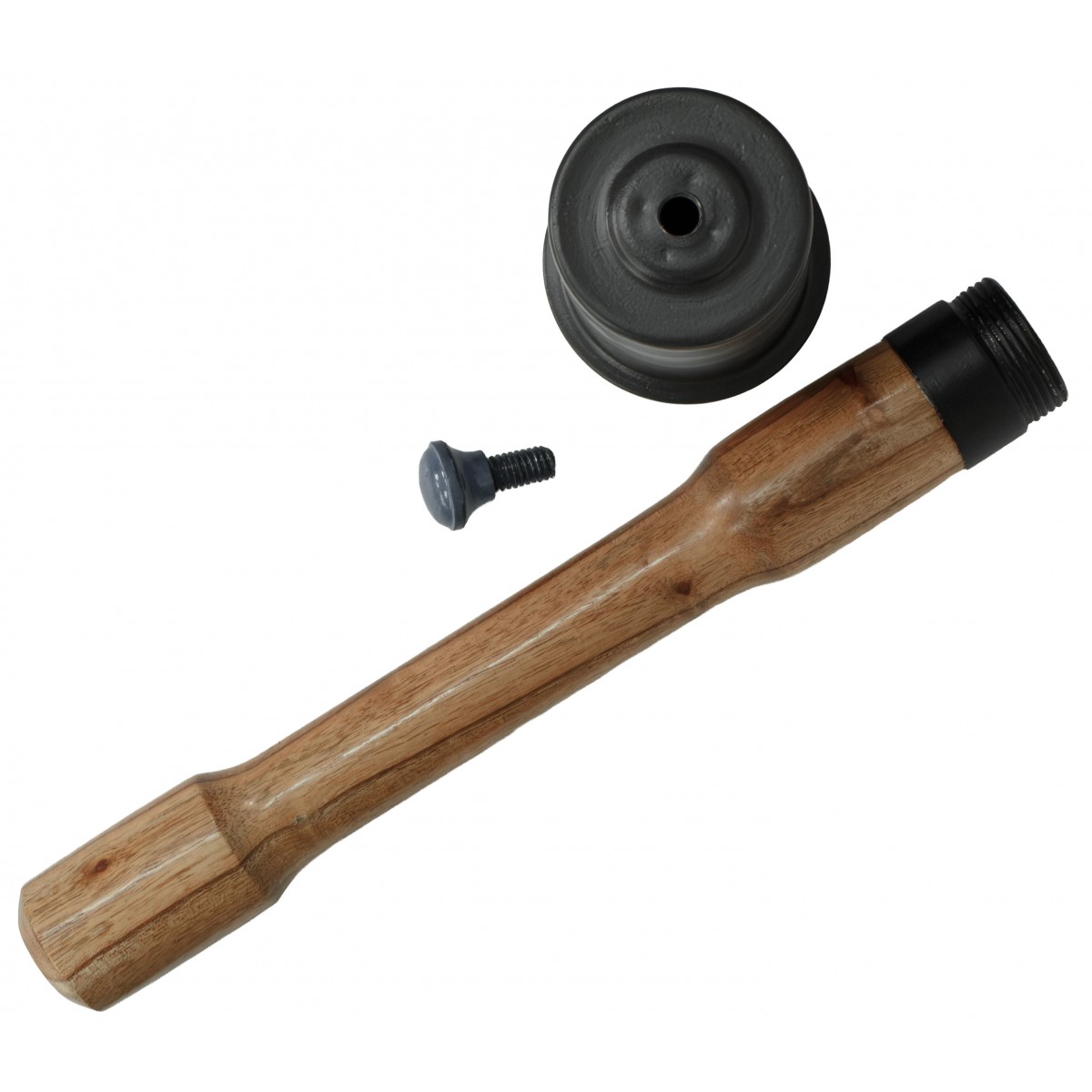
The most important difference from the M24 concerned the ignition system. On the earlier grenade, the friction igniter and pull cord passed through a hollow wooden handle. On the M43, the igniter was mounted directly on top of the explosive head. This allowed the use of a solid, undrilled wooden handle and eliminated the lower metal cap, internal cord channel and several fittings required by the older design.
The cylindrical head was made from thin sheet iron or steel and attached to the handle by deep pressed indentations or crimps. The complete grenade measured approximately 35 to 38 centimetres and weighed about 600 grams, with variations between manufacturers and fillings. Its head was approximately 70 millimetres in diameter and contained around 170 grams of explosive, normally TNT or an alternative composition such as Donarit.
Like the M24, the standard Stielhandgranate 43 was primarily an offensive or concussion grenade. Its thin casing produced comparatively limited natural fragmentation, with most of its effect coming from blast pressure. It was particularly associated with close-range attacks against trenches, buildings, shelters and fortified positions.
The initial standard igniter was a modified form of the Brennzünder für Eihandgranaten 39, originally developed for the Eihandgranate 39. Its usual blue cap identified a delay of approximately four and a half seconds. From late 1944 the grenade could also receive the Brennzünder 40, which appeared similar externally but employed a different internal ignition mechanism. The assembly was used with the Sprengkapsel Nr. 8 detonator.
Moving the igniter to the head meant that the handle no longer contained mechanical or pyrotechnic components. It served only as a grip and throwing aid. This greatly reduced the woodworking required and allowed handles to be produced by factories without the equipment needed to drill the long internal channel of the M24.
Early examples could retain the traditional ordnance-green finish. Most later production was painted Dunkelgelb, a tan or dark-yellow colour widely used on German military equipment during the closing years of the war. Shade, paint thickness and surface quality varied between factories, while examples from 1945 frequently show particularly economical finishing.
Maker codes and production dates were normally stamped on the upper and lower surfaces of the head and applied to the wooden handle. Additional markings could include Waffenamt acceptance stamps, lot information and black ink codes identifying the explosive filling. A letter K indicated a filling approved for cold-weather conditions, while Do denoted Donarit.
Numerous companies participated in production, resulting in substantial differences in handle profile, metal construction and marking style. The head and handle were not necessarily manufactured by the same firm. Late 1945 components may display abbreviated dates, weakly applied stamps or parts from different subcontractors assembled into a single grenade.
The M43 could be fitted with a Splitterring, or fragmentation sleeve, placed around the explosive head. Both smooth sleeves and versions divided into raised square sections are documented. Some grenades were issued with the sleeve already installed, increasing fragmentation and making the configuration more suitable for use from protected positions.
Stielhandgranaten 43 were generally transported in crates containing fifteen grenades. The same basic container could accept either the M24 or M43, with the model identified by markings on the lid. Existing M24 stocks remained in service, so both designs were used alongside one another until the end of the war.
A standardized, widely produced Übungs-Stielhandgranate 43 is not documented in the same manner as the red training version of the M24. The principal identifying characteristics of the combat M43 are therefore its solid handle, top-mounted igniter, simplified head-to-handle connection and frequent dark-yellow late-war finish.
Data sheet
| Width | 6 cm |
| Lenght | 38 cm |
| Weight | 319.6 gr |
| Material | Wood, Metal |
| Disclaimer | Ornamental item devoid of any function, completely inert. A scenic item intended for museum mannequins. |
30 other products in the same category:

Customers who bought this product also bought:
Field and Personal Equipment
- Germany
- Uniforms
- Medals, Orders and Decorations
- Badges and Pins
- ID Tags
- Arm Shields
- Helmets
- Helmet Decals
- Visor Caps and Hats
- Cap and Helmet Badges
- Collar Tabs Badges
- Collar Tabs, Shoulder Boards and Epaulettes
- Arm Bands
- Division Cuff Titles
- Buckles And Belts
- Buttons For Uniforms
- Stamps
- Gorgets
- Rings
- SS Honour Ring in 925 Silver - Collector's Set
- Poletops
- Flags
- Daggers and Knives (Ornamental)
- Field Marshal Batons
- Field and Personal Equipment
- Service Watches
- Presentation Cases
- Documents and Award Letters
- Busts, Eagles, Lighters and Miscellaneous
- Croatian and Ustasha Militaria
- Denazified Articles
- Commemorative Necklaces
- Spare Parts, Small Parts and Accessories
- Italy
- Medals and Decorations
- Brevets And Badges
- Battle Shields and Tags
- Gorgets
- Visor Caps and Hats
- Cap and Helmet Badges
- Helmets Decals
- Friezes for Collar Tabs
- Collar Tabs, Shoulder Boards and Epaulettes
- Buckles
- Belts
- Buttons For Uniforms
- Rings
- Poletops
- Italian Resistance
- Keyrings
- Wallshields
- Daggers and Knives
- Flags
- Busts and Eagles
- Souvenirs
- Commemorative Necklaces
- Imperial Germany
- Soviet Union
- Other Countries