
No products
Product successfully added to your shopping cart
There are 0 items in your cart. There is 1 item in your cart.
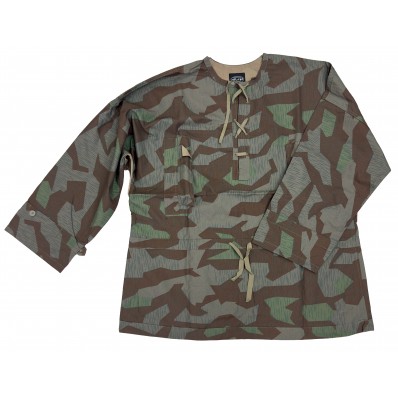
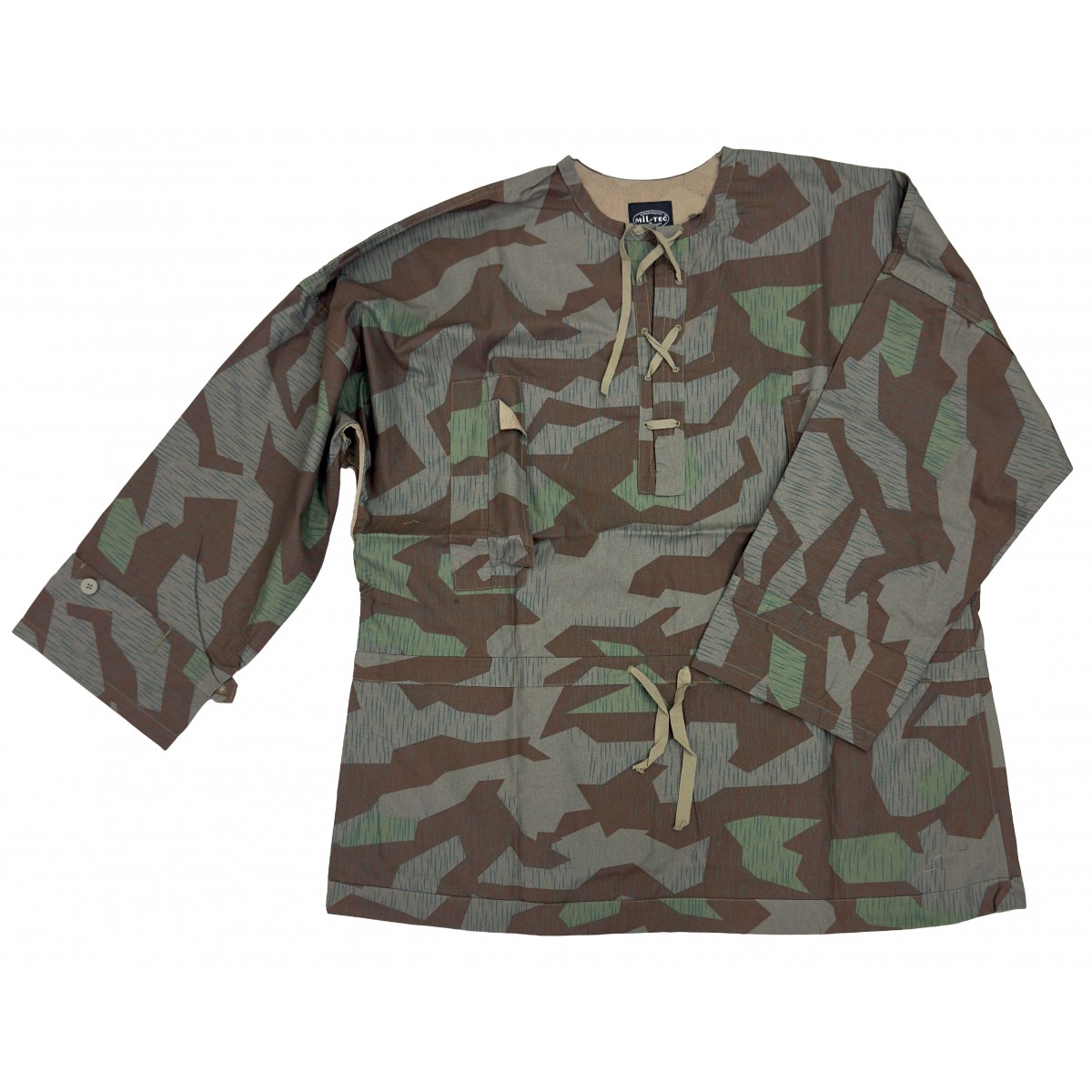
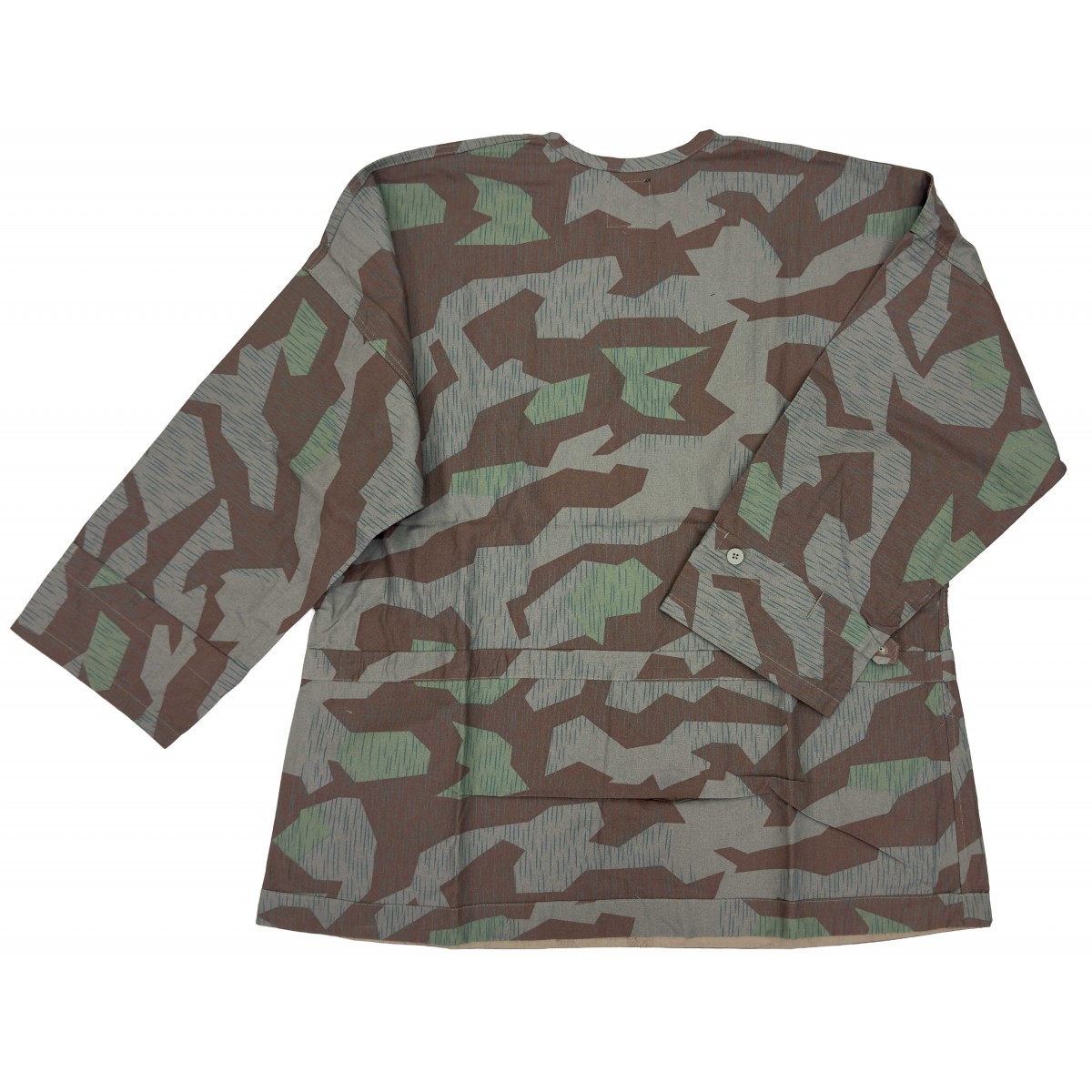
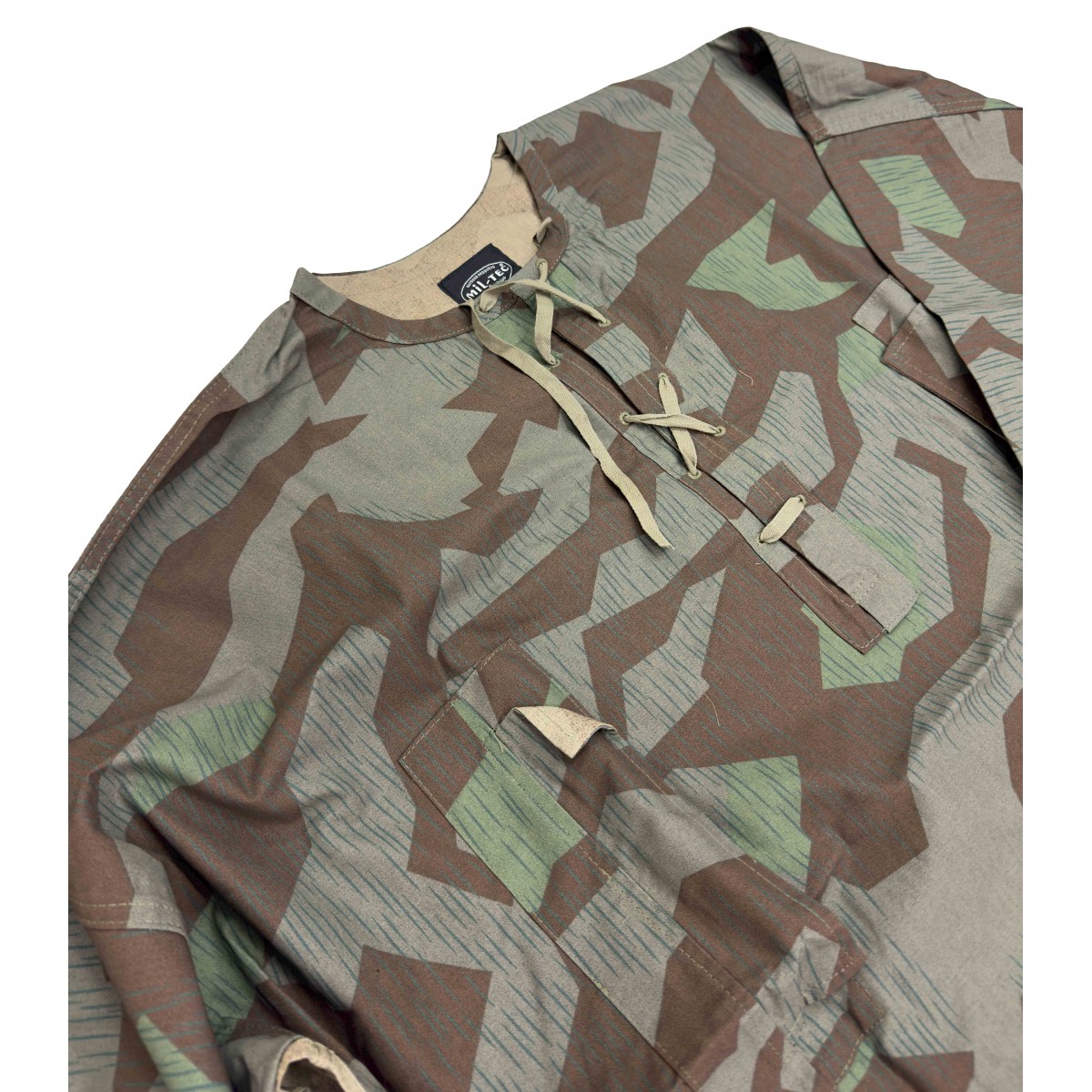
Splittertarn Sniper Smock
New
Splittertarn camouflage smock of the Heer, featuring the distinctive geometric splinter pattern, loose pullover construction, laced neck opening and adjustable drawcord waist. Introduced as lightweight camouflage clothing, this pattern became particularly associated with snipers, scouts and troops requiring additional concealment.
Warning: Last items in stock!
- Satisfied or refunded: we guarantee 100% secure protection on your purchases
- Free return: return your order free of charge within 30 days from receipt
- Secure payments: pay securely online with PayPal or credit cards

More info
The Splittertarn Sniper Smock, historically known as a Tarnhemd, is one of the most distinctive camouflage garments associated with the Heer during the Second World War. Its development reflects the gradual transition from camouflage used primarily on equipment to clothing designed specifically to conceal the individual soldier.
The pattern itself originated as the Buntfarbenaufdruck 31, introduced in 1931 and today universally known as Splittertarnmuster, or Splinter camouflage.
It became particularly familiar through the Zeltbahn 31, the triangular shelter quarter carried by German soldiers and capable of being used individually as weather protection or combined with other sections to form larger shelters.
The pattern combined sharply defined green and brown geometric shapes over a lighter background. Across these larger shapes were groups of thin vertical strokes, commonly described as rain lines.
These elements worked together to disturb visual recognition: the angular coloured areas broke up larger surfaces, while the finer lines further disrupted the appearance of a continuous shape.
During the Second World War the Heer began extending this camouflage concept to actual wearable garments. Around 1942, the Tarnhemd appeared as a lightweight camouflage layer intended to be worn over the normal field uniform.
The garment was deliberately cut large and loose. This allowed it to fit over the standard Feldbluse and other clothing while also helping obscure the recognizable outline of the human body.
Its construction was essentially a pullover smock rather than a conventional jacket. It was placed over the head instead of being opened completely down the front.
The neckline incorporated a characteristic laced opening, allowing it to be widened when putting the garment on and tightened afterwards.
A second drawcord at the waist allowed the wearer to control the volume of the smock. Tightening the garment reduced excess loose fabric and helped prevent it from catching on vegetation and equipment.
The sleeves were sufficiently generous to fit over the normal uniform and incorporated adjustable buttoned cuffs at the wrists.
Characteristic vertical openings at chest level allowed access to clothing and equipment worn beneath the smock without requiring the entire garment to be removed.
Historical early-pattern Splittertarn Tarnhemden were produced with camouflage printed on one side and a pale or white reverse, allowing the garment to provide an additional form of concealment under snowy conditions.
The smock has become particularly closely associated with German snipers, leading to the widespread modern description “sniper smock.”
There is a practical reason for this association. Concealment was critically important to a sniper, and an oversized camouflage layer could both cover the highly recognizable field-grey uniform and disrupt the shooter's silhouette.
Nevertheless, the Tarnhemd should not be regarded as clothing exclusively issued to snipers. Other troops could also use these garments where additional camouflage was considered useful, particularly scouts and personnel operating in concealed positions.
The early hoodless Splittertarn version is especially associated with the Großdeutschland Division, whose personnel are documented wearing this type of camouflage smock.
Personal camouflage clothing was initially less widespread within the Heer than within the Waffen-SS. The appearance of the Tarnhemd therefore marked an important stage in German Army uniform development.
It represented the transition from camouflage primarily applied to shelter quarters and equipment to purpose-made garments intended to conceal the individual soldier.
Later in the war, additional forms of camouflage smock appeared. Subsequent versions could incorporate an integral hood and were frequently produced in the newer Sumpftarn, or marsh-pattern camouflage.
These later patterns replaced the sharp geometric appearance of Splittertarn with softer and more blended areas of colour, reflecting the continuing development of German camouflage design.
Surviving original Tarnhemden display variations in fabric, colour, markings and smaller construction details. Such differences are entirely consistent with a garment produced by different manufacturers and modified as camouflage clothing evolved during wartime.
Historical curiosity: the famous name “Splittertarn” was not the original official name of the camouflage pattern. The design introduced in 1931 was known as Buntfarbenaufdruck 31. The modern name derives from its sharp geometric shapes, which resemble splinters or broken fragments. Even more interestingly, one of the best-known German camouflage garments of the war evolved from a pattern originally associated primarily with the humble Zeltbahn shelter quarter. More than a decade after the camouflage was introduced, the same concept was transformed into a garment worn directly over the soldier's uniform.
Data sheet
| Material | 100% Cotton |
17 other products in the same category:

Customers who bought this product also bought:
Uniforms
- Germany
- Uniforms
- Medals, Orders and Decorations
- Badges and Pins
- ID Tags
- Arm Shields
- Helmets
- Helmet Decals
- Visor Caps and Hats
- Cap and Helmet Badges
- Collar Tabs Badges
- Collar Tabs, Shoulder Boards and Epaulettes
- Arm Bands
- Division Cuff Titles
- Buckles And Belts
- Buttons For Uniforms
- Stamps
- Gorgets
- Rings
- SS Honour Ring in 925 Silver - Collector's Set
- Poletops
- Flags
- Daggers and Knives (Ornamental)
- Field Marshal Batons
- Field and Personal Equipment
- Service Watches
- Presentation Cases
- Documents and Award Letters
- Busts, Eagles, Lighters and Miscellaneous
- Croatian and Ustasha Militaria
- Denazified Articles
- Commemorative Necklaces
- Spare Parts, Small Parts and Accessories
- Italy
- Medals and Decorations
- Brevets And Badges
- Battle Shields and Tags
- Gorgets
- Visor Caps and Hats
- Cap and Helmet Badges
- Helmets Decals
- Friezes for Collar Tabs
- Collar Tabs, Shoulder Boards and Epaulettes
- Buckles
- Belts
- Buttons For Uniforms
- Rings
- Poletops
- Italian Resistance
- Keyrings
- Wallshields
- Daggers and Knives
- Flags
- Busts and Eagles
- Souvenirs
- Commemorative Necklaces
- Imperial Germany
- Soviet Union
- Other Countries