
No products
Product successfully added to your shopping cart
There are 0 items in your cart. There is 1 item in your cart.
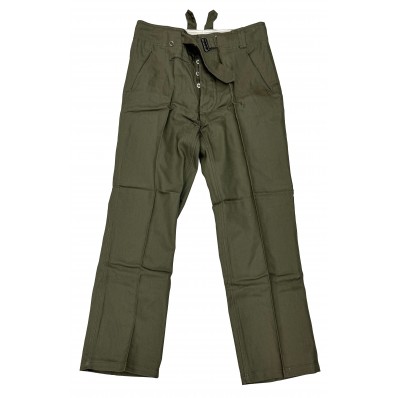
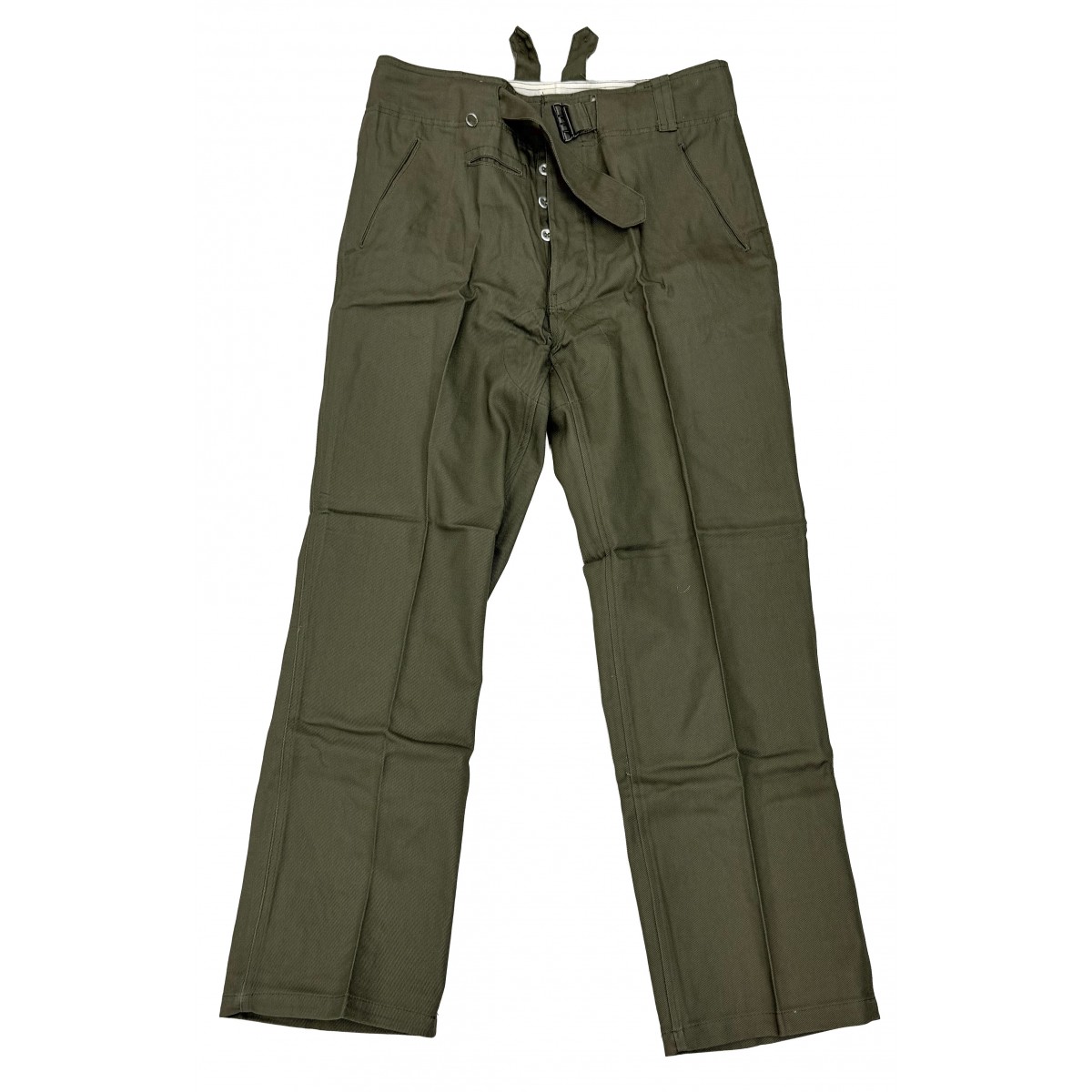
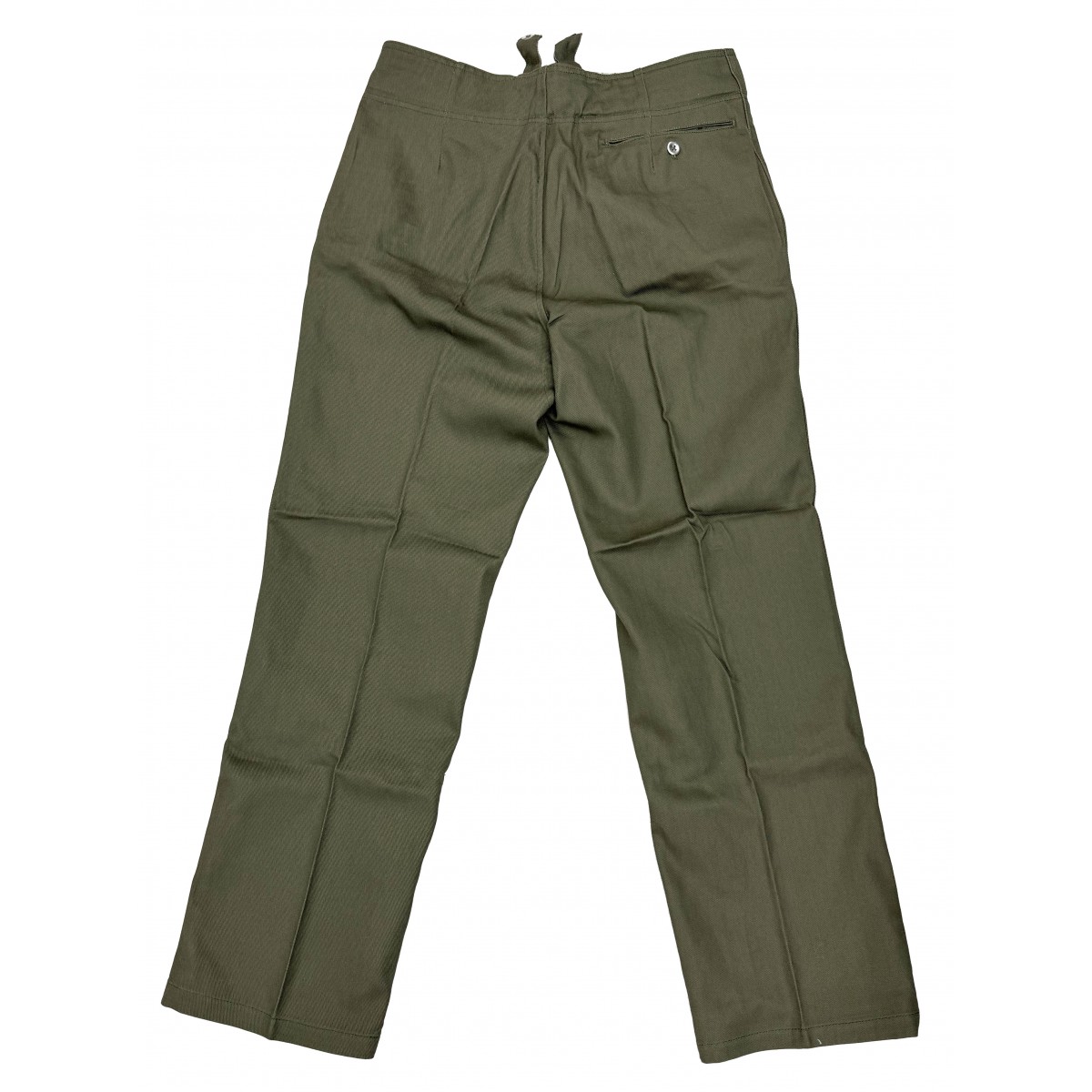
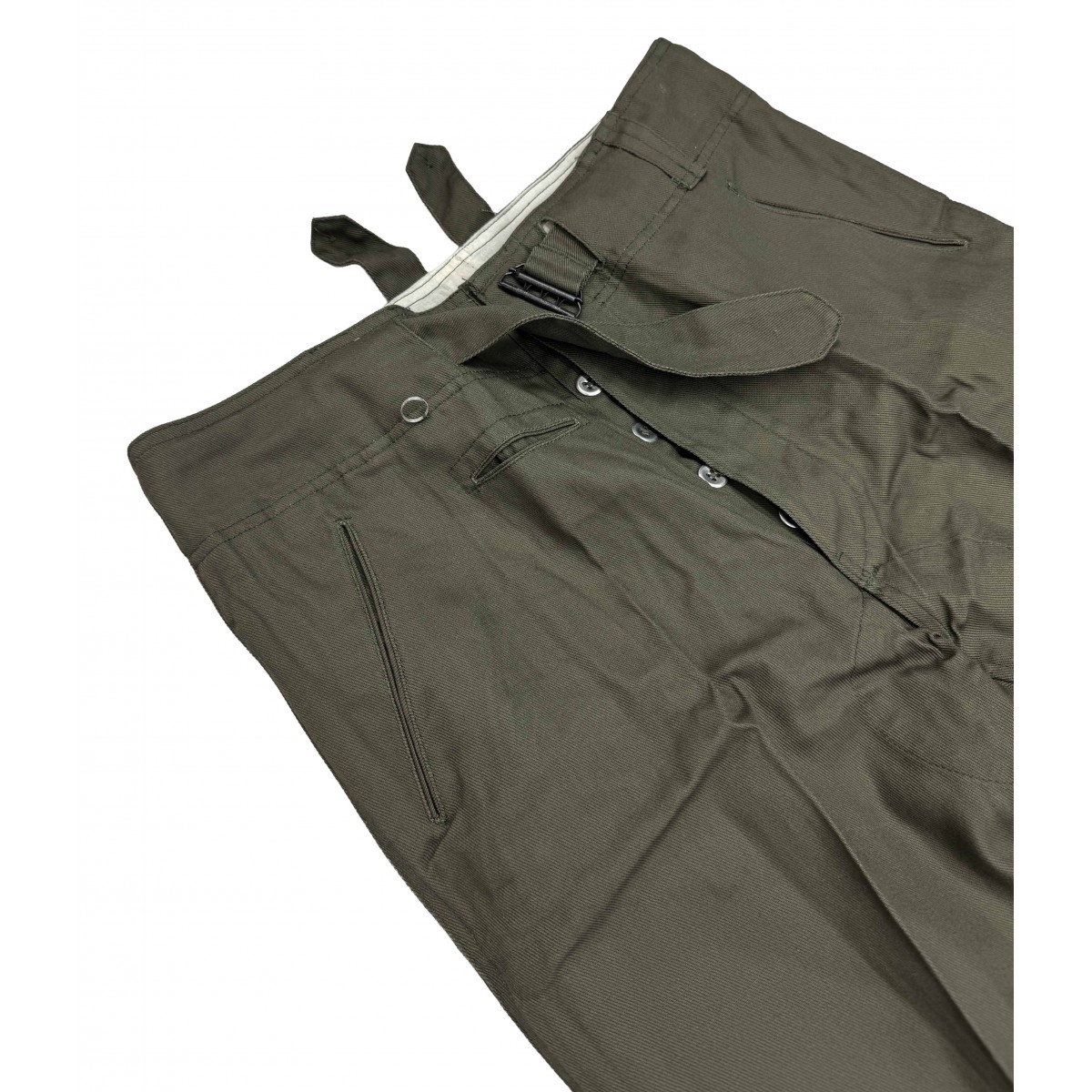
M42 Tropical Breeches
New
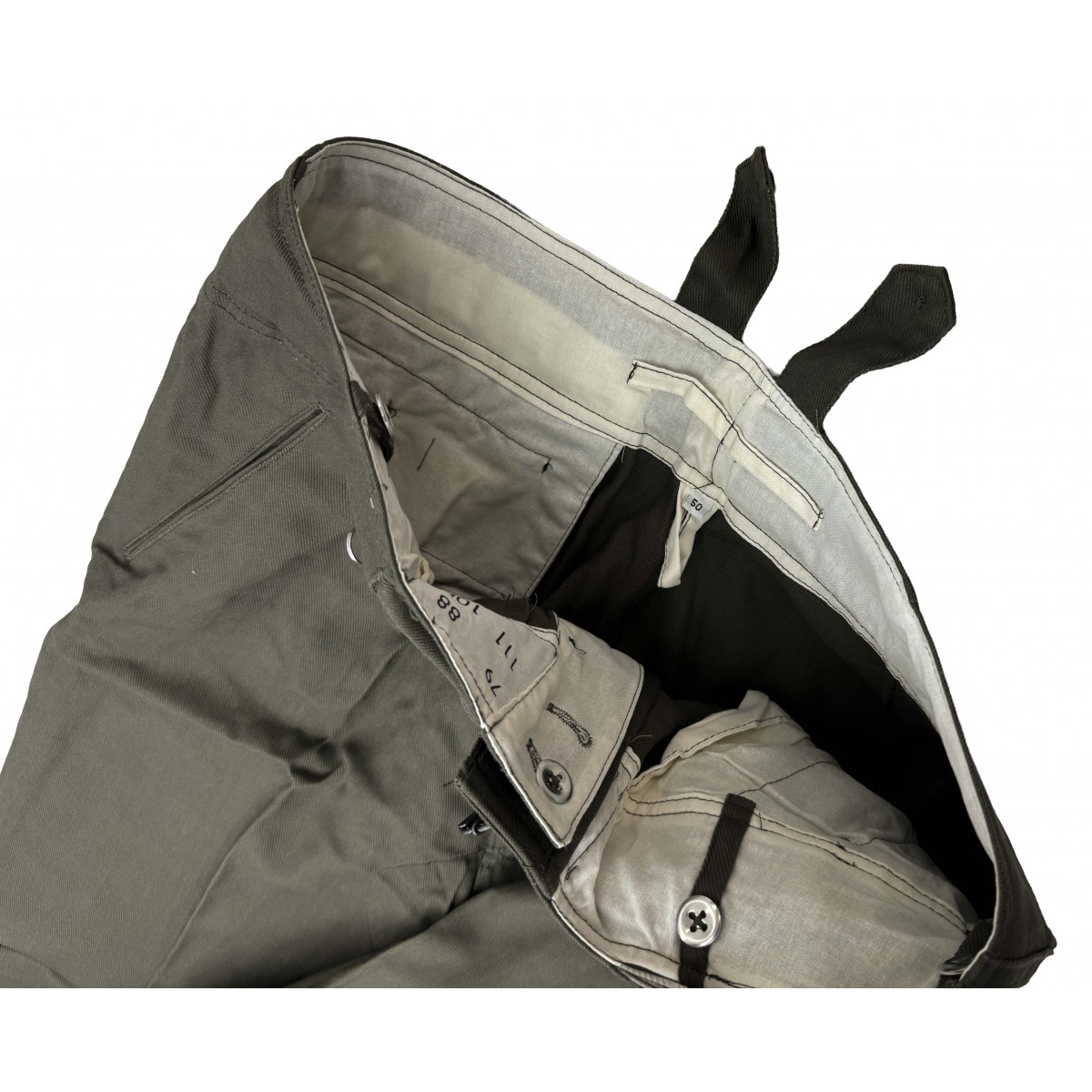
M42 Tropical Breeches of the Heer, distinguished by their tapered lower legs, integral waist belt and adjustable leg straps. Developed for service in hot climates, this distinctive pattern became an important part of German tropical field clothing during the Second World War.
Warning: Last items in stock!
- Satisfied or refunded: we guarantee 100% secure protection on your purchases
- Free return: return your order free of charge within 30 days from receipt
- Secure payments: pay securely online with PayPal or credit cards

More info
The M42 Tropical Breeches, corresponding to the German Tropen-Stiefelhose, represent one of the more distinctive developments in Heer tropical clothing during the Second World War. Their construction was intended for troops serving in hot-weather operational environments, where conventional European field clothing was considerably less practical.
This form of tropical uniform is most strongly associated with the North African campaign, although its use should not be regarded as exclusive to the Deutsches Afrikakorps. German tropical clothing continued to appear in Italy, the Balkans, the Mediterranean and other southern theatres where lighter garments were advantageous.
Unlike the earlier long tropical trousers with a comparatively straight leg, this pattern had a noticeably more shaped and tapered lower section.
The upper portion provided sufficient room for movement while the legs narrowed progressively towards the lower calf. This breeches-style construction is one of the principal features that distinguishes the pattern from the earlier straight tropical trousers.
The lower legs incorporated adjustment straps and fastening arrangements intended to keep the garment closely positioned around the leg.
Numerous surviving examples also retain straps or stirrups passing beneath the foot. These helped prevent the trouser legs from riding upwards while marching or carrying out strenuous field duties.
Another particularly characteristic feature was the integral cloth waist belt. Built directly into the trousers and fitted with its own buckle, it allowed the wearer to adjust the waist without depending entirely on a separate civilian-style trouser belt.
This arrangement was especially practical in hot climates, where the field tunic might be removed whenever conditions and regulations permitted.
The pocket arrangement was deliberately functional. Side pockets and a rear pocket provided storage for small personal items while minimizing interference with the equipment belt and other field gear.
Some surviving examples also display a reinforced seat, providing additional durability in an area subjected to considerable wear during marches, vehicle use and everyday field service.
Internally, historical examples frequently used light-coloured cotton or linen lining material, particularly around the waistband and other reinforced sections. Size markings, manufacturer information and military clothing-depot stamps could also be applied inside the garment.
The external colour typically ranged from olive green to khaki, although considerable variation existed even when the trousers were new.
Actual field service increased these differences dramatically. Intense sunlight, dust, perspiration and repeated washingcould bleach the original dye to a much lighter shade.
A pair originally issued in a strong olive colour could eventually become pale khaki, yellowish or almost sand coloured. This explains the remarkable range of shades found among surviving original tropical garments.
The tropical breeches also illustrate the experimental nature of German hot-weather clothing. Designs that appeared satisfactory when developed in Europe were frequently adapted after exposure to actual field conditions.
As a result, several different patterns, construction details and locally modified garments could appear simultaneously. The introduction of a newer form did not automatically remove earlier clothing from service; usable garments continued to be issued and worn.
Historical curiosity: the designation “M42” is more complicated than it first appears. On an original German uniform, a stamp reading M42 did not necessarily mean “Model 1942.” Such a marking could indicate acceptance through the Munich clothing depot in 1942, with the letter representing the depot and the number indicating the year. Many familiar M36, M40, M42 and M43 names are modern collector classifications rather than model names that were literally stamped onto every wartime garment. Correct identification therefore depends on examining the cut, construction, lower-leg arrangement, pockets and complete set of markings, rather than relying on a single stamp.
Data sheet
| Material | Upper: 70% Wool, 30% Viscose Lining: 100% Cotton |
17 other products in the same category:

Uniforms
- Germany
- Uniforms
- Medals, Orders and Decorations
- Badges and Pins
- ID Tags
- Arm Shields
- Helmets
- Helmet Decals
- Visor Caps and Hats
- Cap and Helmet Badges
- Collar Tabs Badges
- Collar Tabs, Shoulder Boards and Epaulettes
- Arm Bands
- Division Cuff Titles
- Buckles And Belts
- Buttons For Uniforms
- Stamps
- Gorgets
- Rings
- SS Honour Ring in 925 Silver - Collector's Set
- Poletops
- Flags
- Daggers and Knives (Ornamental)
- Field Marshal Batons
- Field and Personal Equipment
- Service Watches
- Presentation Cases
- Documents and Award Letters
- Busts, Eagles, Lighters and Miscellaneous
- Croatian and Ustasha Militaria
- Denazified Articles
- Commemorative Necklaces
- Spare Parts, Small Parts and Accessories
- Italy
- Medals and Decorations
- Brevets And Badges
- Battle Shields and Tags
- Gorgets
- Visor Caps and Hats
- Cap and Helmet Badges
- Helmets Decals
- Friezes for Collar Tabs
- Collar Tabs, Shoulder Boards and Epaulettes
- Buckles
- Belts
- Buttons For Uniforms
- Rings
- Poletops
- Italian Resistance
- Keyrings
- Wallshields
- Daggers and Knives
- Flags
- Busts and Eagles
- Souvenirs
- Commemorative Necklaces
- Imperial Germany
- Soviet Union
- Other Countries