
No products
Product successfully added to your shopping cart
There are 0 items in your cart. There is 1 item in your cart.
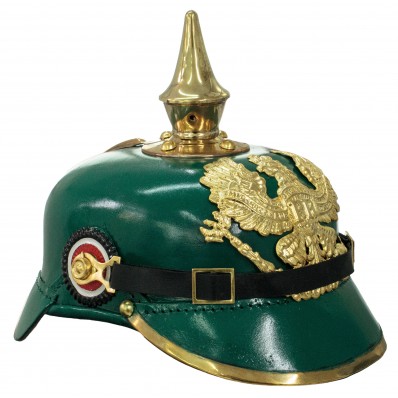
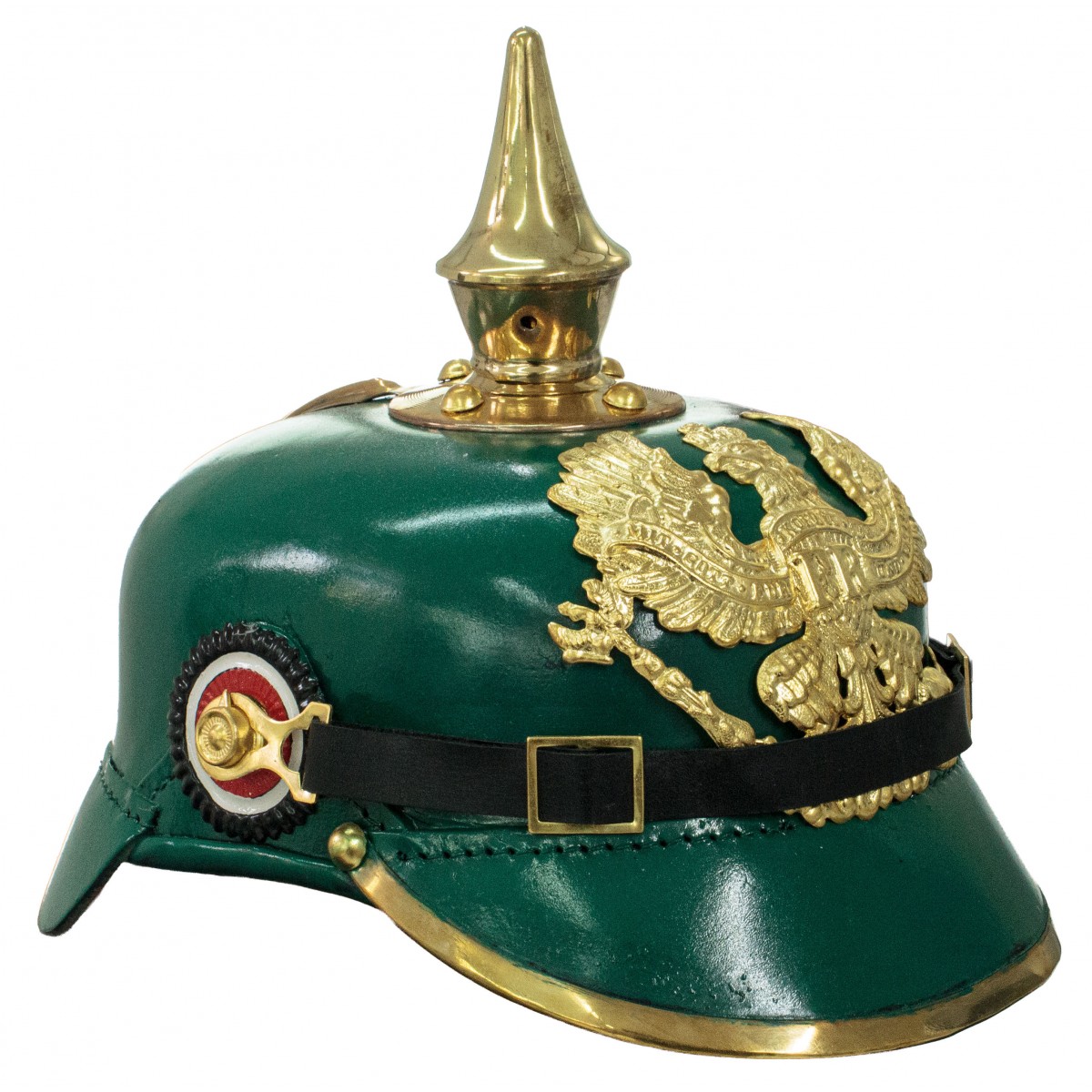
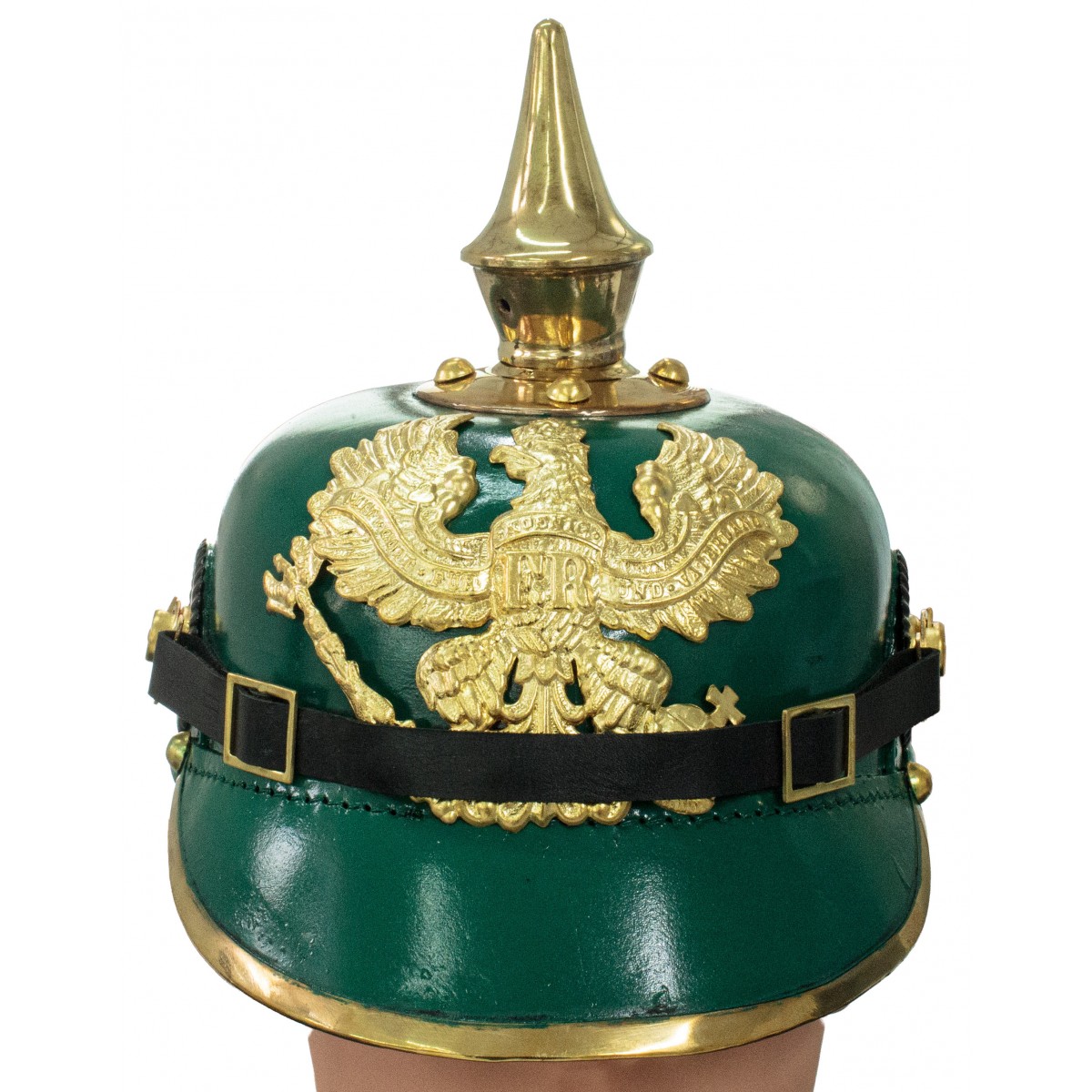
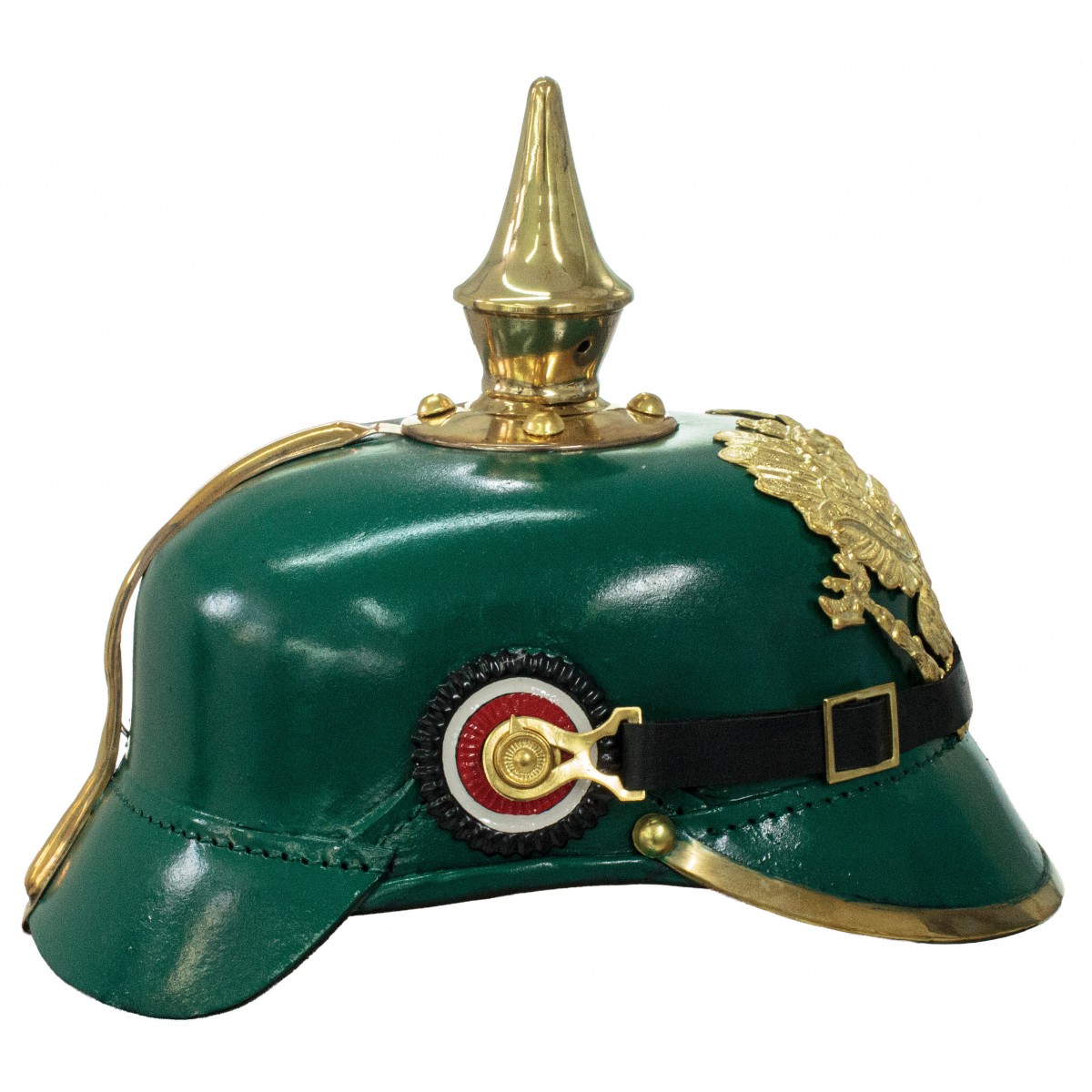
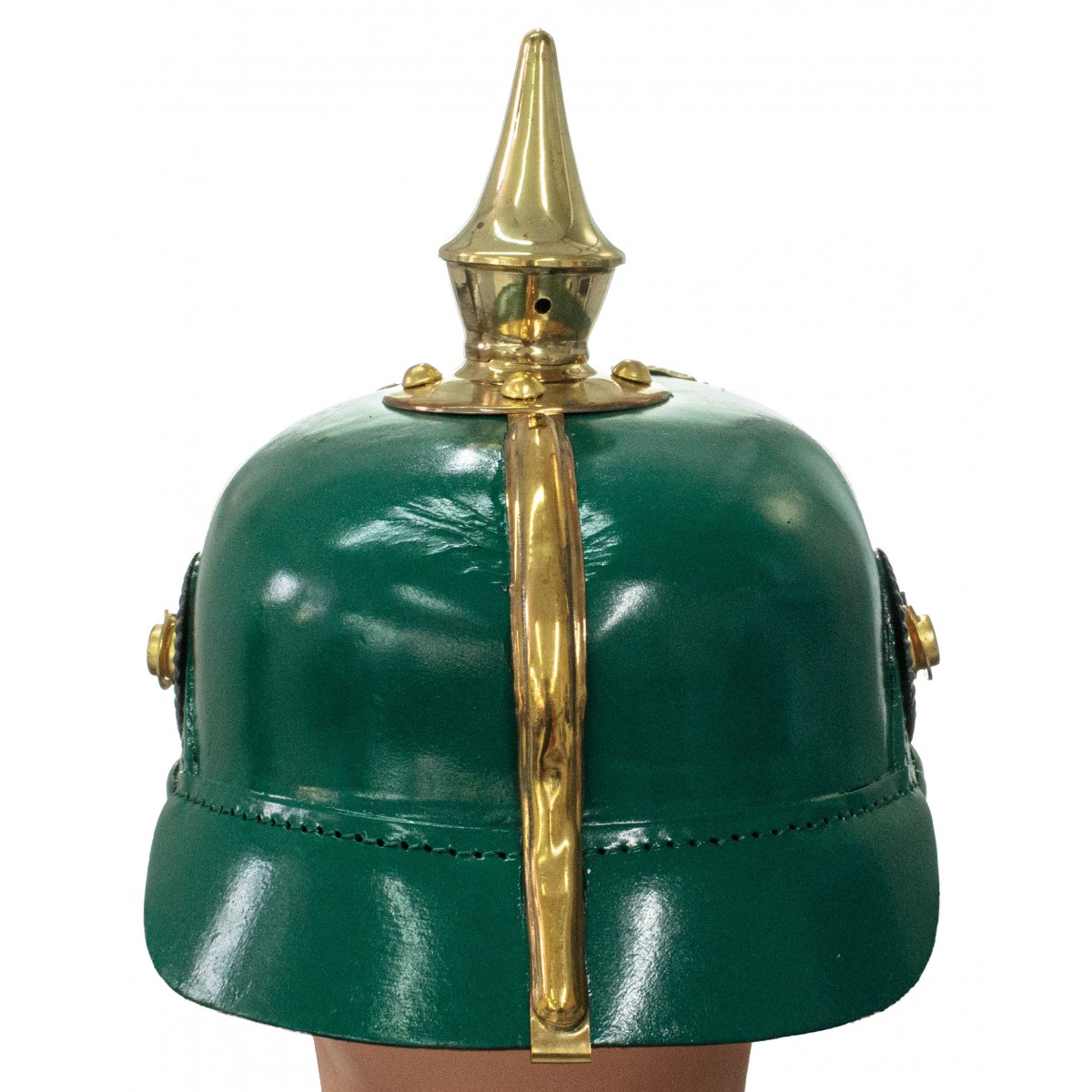
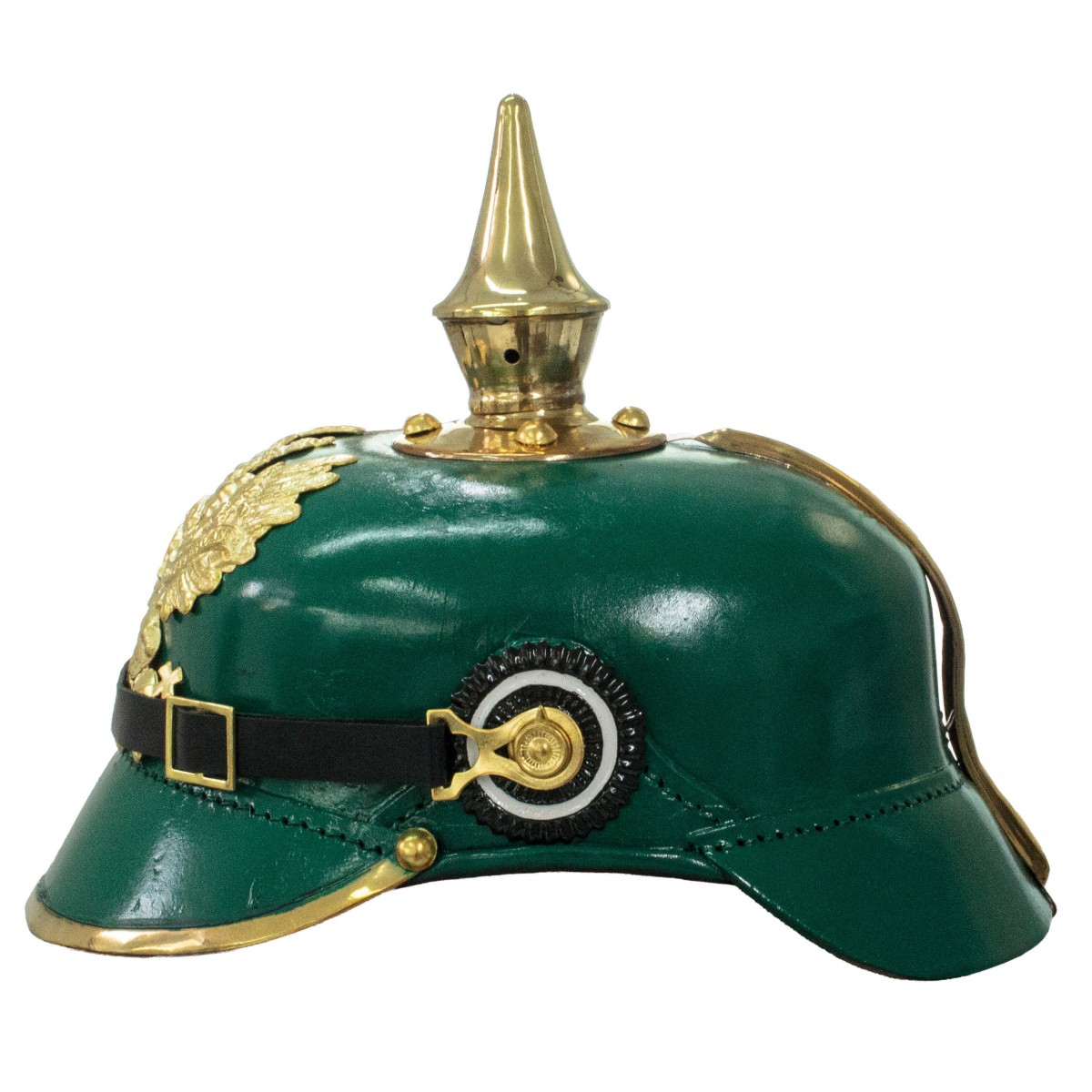
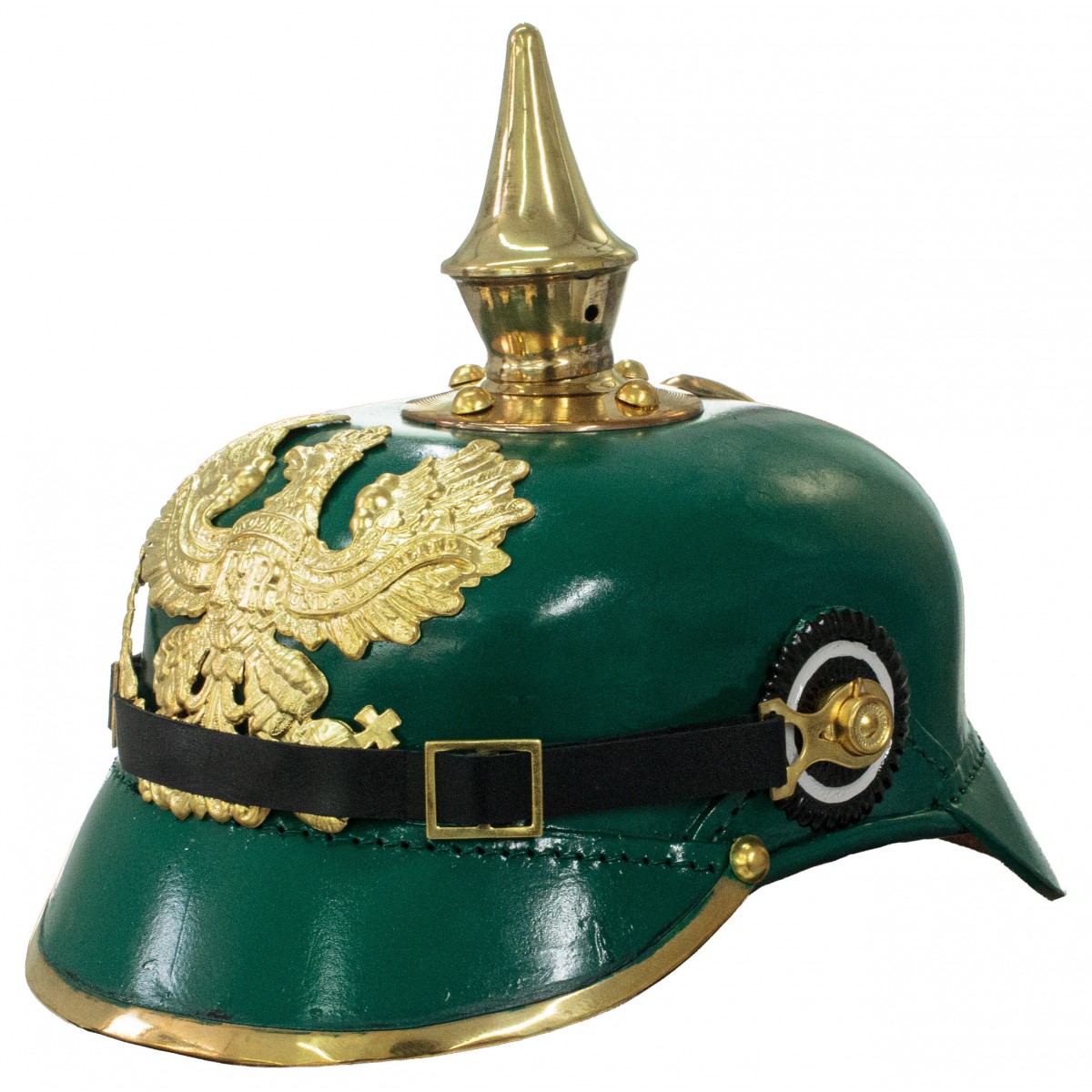
Prussian Wartime Feldgrau Leather Ersatz Pickelhaube for Enlisted Ranks and NCOs
New
Prussian wartime Ersatz Pickelhaube for enlisted ranks and NCOs, with a feldgrau leather shell and the line eagle of the Kingdom of Prussia. Manufactured during the First World War in forms derived from the M1895, this type belonged to the emergency replacement helmets produced with varying materials, construction methods and fittings.
Warning: Last items in stock!
- Satisfied or refunded: we guarantee 100% secure protection on your purchases
- Free return: return your order free of charge within 30 days from receipt
- Secure payments: pay securely online with PayPal or credit cards

More info
The Pickelhaube with a grey-green leather shell belongs to the broad category of Ersatz helmets manufactured during the First World War to meet the rapidly expanding equipment requirements of the Imperial German Army. Its overall form was derived from the M1895, while its treated or feldgrau-finished leather shell represents a documented form of wartime substitute production.
The German term Ersatz means “substitute” or “replacement” and does not describe one completely standardised helmet model. It encompasses numerous types manufactured during 1914 and 1915 from feldgrau leather, pressed felt, thin sheet steel, vulcanised fibre, treated cardboard, cloth-covered cork and other available materials. Their shapes could closely resemble the M1895, but construction methods and individual components varied considerably.
Wartime Ersatz helmets made from feldgrau leather are historically documented. Their surfaces can appear green, grey-green, olive-grey or grey-brown according to the original dye or lacquer, the absorbency of the leather and subsequent ageing. This colour was not the identifying colour of a regiment or service branch, but a less conspicuous wartime finish.
The shell could be formed from leather with separate front and rear visors attached by stitching or rivets. Some examples retained the metal front-visor trim and rear reinforcing spine, while simplified versions omitted one or both components. Profile, height, stitching and fastening methods could consequently differ from one manufacturer or production contract to another.
The front plate is the Prussian line eagle, displaying a crowned eagle with outstretched wings, sceptre and orb, the royal cipher FR upon its breast and the scroll “Mit Gott für König und Vaterland,” meaning “With God for King and Fatherland.”
The line eagle identifies the helmet with the Prussian contingent but does not establish a particular regiment. Wartime plates and fittings could be manufactured from brass, aluminium bronze, nickel silver or feldgrau steel. Newly produced parts were used alongside components remaining from pre-war stocks. Particularly simplified Ersatz helmets are also known with metal unit numbers fitted in place of the normal state plate.
The conical spike could vary in construction. Early emergency production sometimes retained yellow-metal components, whereas later helmets used grey-painted or chemically darkened steel fittings. Mixed metals and parts produced to different standards are therefore consistent with wartime Ersatz manufacture.
The regulation chinstrap for enlisted ranks and NCOs was normally made from leather and attached to M1891 side posts. The black-white-red Imperial cockade could be worn on the right and the black-and-white Prussian state cockade on the left. The materials and precise construction of these components could vary among emergency-production helmets.
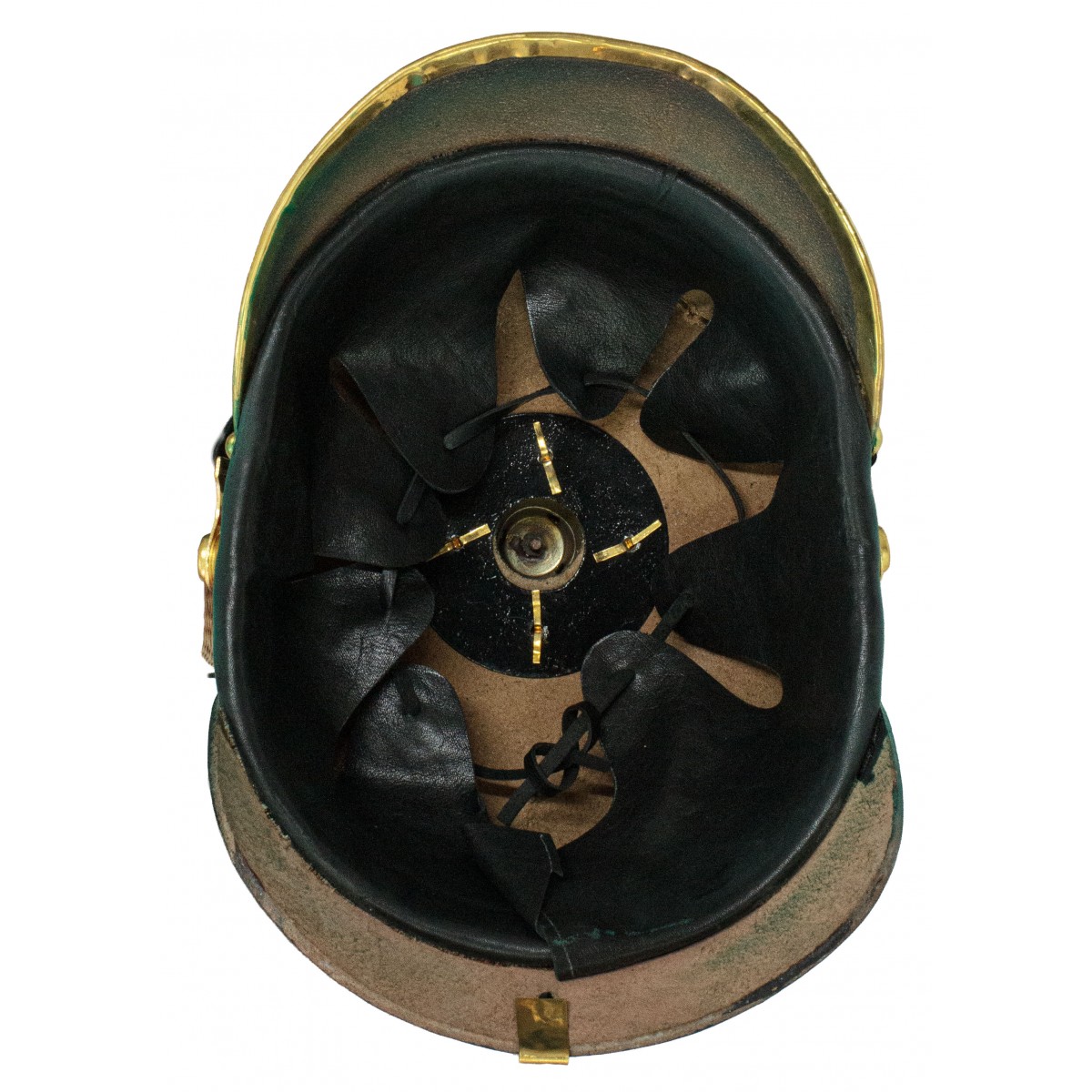
The interior was generally fitted with a tongued liner, usually made from leather. Some Ersatz manufacturers employed oilcloth or other substitute materials. A drawstring joined the liner tongues, while the actual size was determined by the dimensions of the shell. Makers’ marks, size numbers, dates, depot stamps and unit markings could appear inside the helmet or on the rear visor.
This type belongs primarily to the transitional period between the mass mobilisation of 1914 and the introduction of the M1915 Pickelhaube. The latter brought greater standardisation through feldgrau steel fittings and a removable spike, although existing Ersatz helmets continued to be issued and worn. From 1916 onward, the Pickelhaube was progressively replaced in front-line service by the Stahlhelm.
Curiosity: Ersatz Pickelhaube was not the designation of a single pattern. Two helmets manufactured during the same period could share the same silhouette and Prussian eagle while being made respectively from feldgrau leather, felt, pressed cardboard or sheet steel, with visors that were stitched, riveted or formed as part of the shell.
10 other products in the same category:

Customers who bought this product also bought:
Helmets
- Germany
- Uniforms
- Medals, Orders and Decorations
- Badges and Pins
- ID Tags
- Arm Shields
- Helmets
- Helmet Decals
- Visor Caps and Hats
- Cap and Helmet Badges
- Collar Tabs Badges
- Collar Tabs, Shoulder Boards and Epaulettes
- Arm Bands
- Division Cuff Titles
- Buckles And Belts
- Buttons For Uniforms
- Stamps
- Gorgets
- Rings
- SS Honour Ring in 925 Silver - Collector's Set
- Poletops
- Flags
- Daggers and Knives (Ornamental)
- Field Marshal Batons
- Field and Personal Equipment
- Service Watches
- Presentation Cases
- Documents and Award Letters
- Busts, Eagles, Lighters and Miscellaneous
- Croatian and Ustasha Militaria
- Denazified Articles
- Commemorative Necklaces
- Spare Parts, Small Parts and Accessories
- Italy
- Medals and Decorations
- Brevets And Badges
- Battle Shields and Tags
- Gorgets
- Visor Caps and Hats
- Cap and Helmet Badges
- Helmets Decals
- Friezes for Collar Tabs
- Collar Tabs, Shoulder Boards and Epaulettes
- Buckles
- Belts
- Buttons For Uniforms
- Rings
- Poletops
- Italian Resistance
- Keyrings
- Wallshields
- Daggers and Knives
- Flags
- Busts and Eagles
- Souvenirs
- Commemorative Necklaces
- Imperial Germany
- Soviet Union
- Other Countries