
No products
Product successfully added to your shopping cart
There are 0 items in your cart. There is 1 item in your cart.
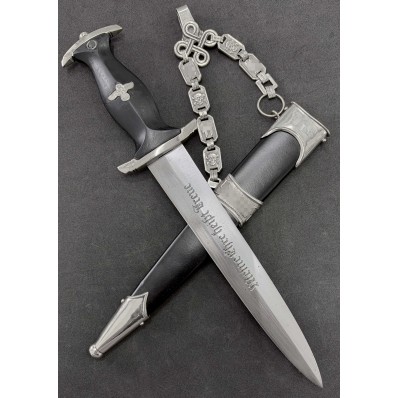
SS Chained Dagger Model 1936 – Unique Wood & Steel Prototype
New
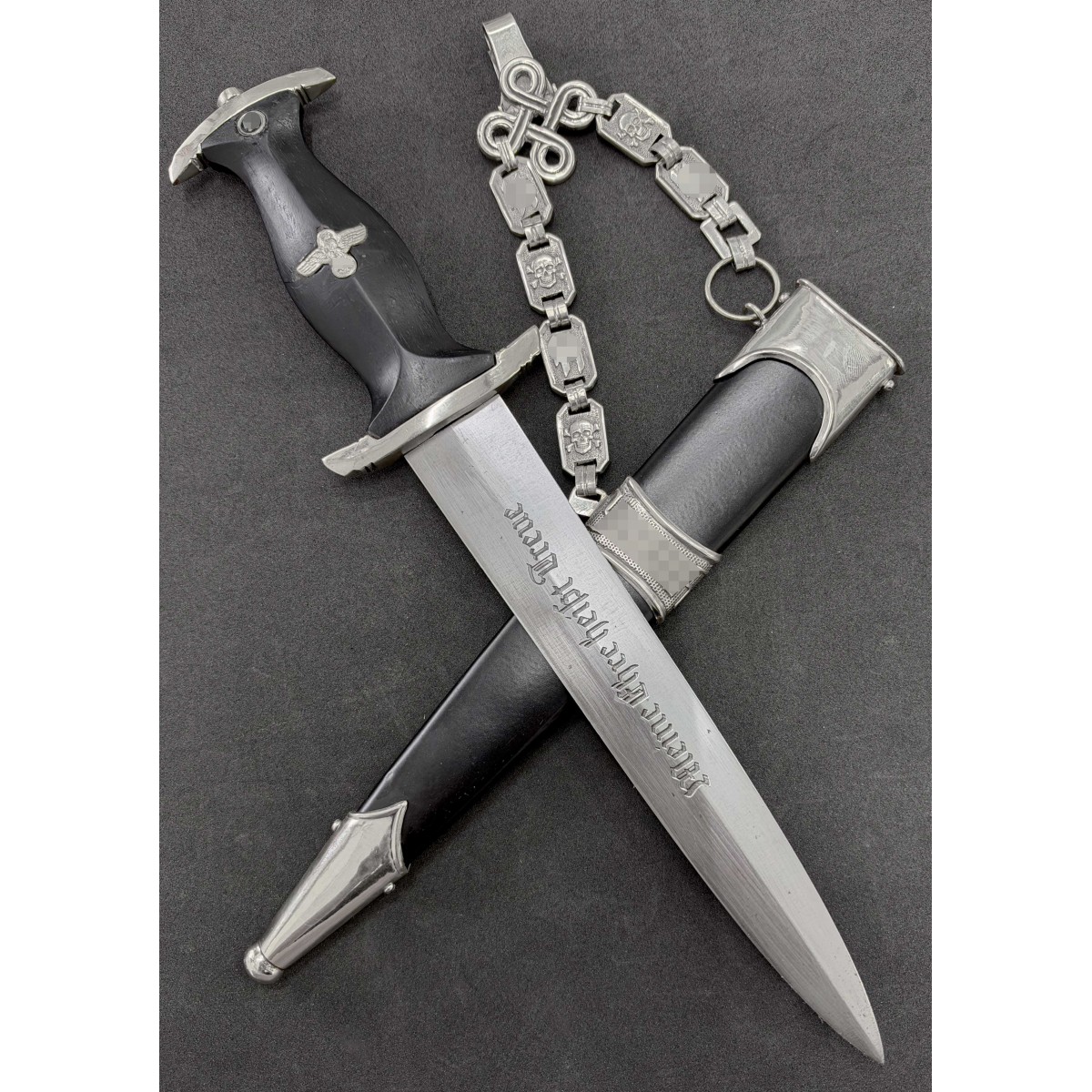
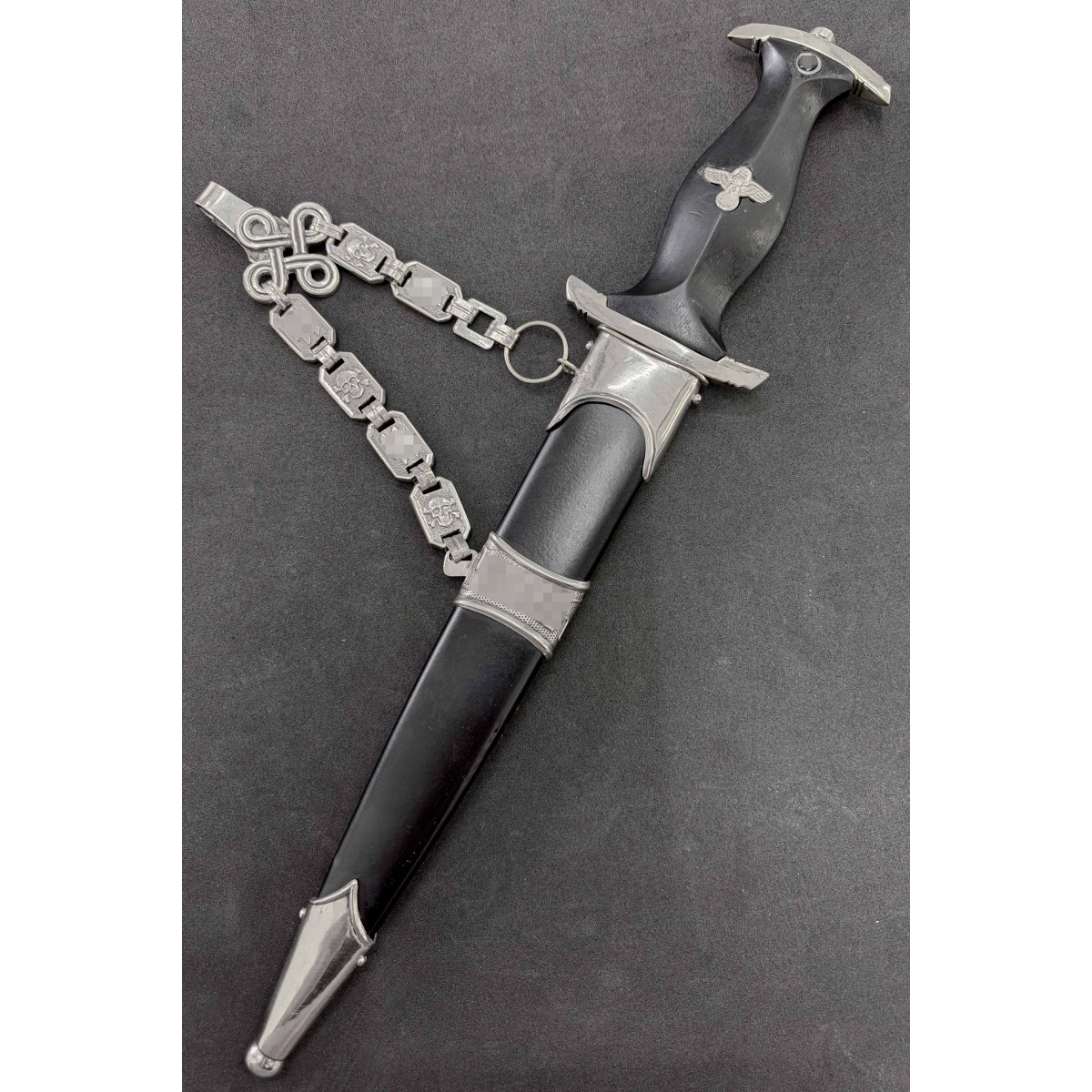
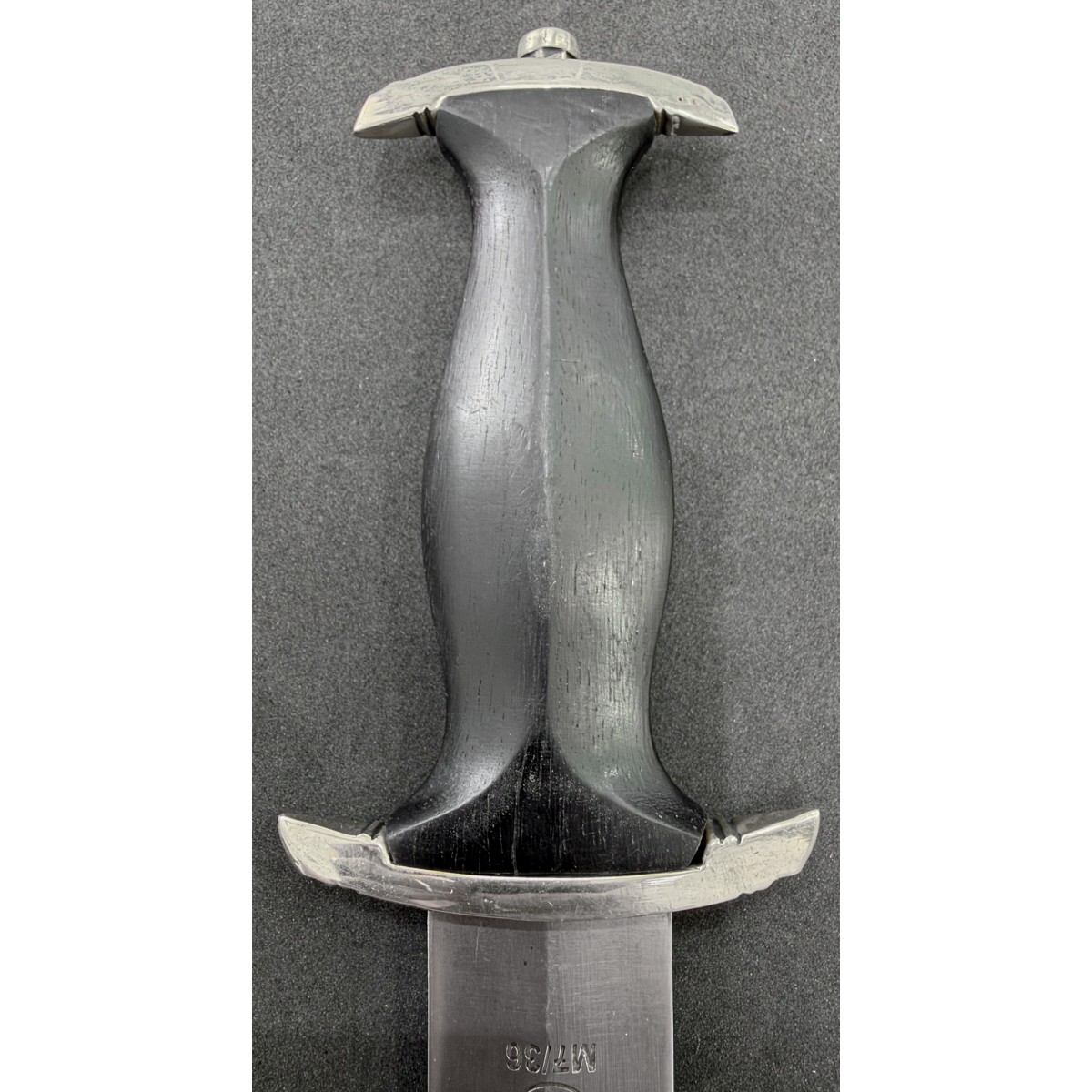
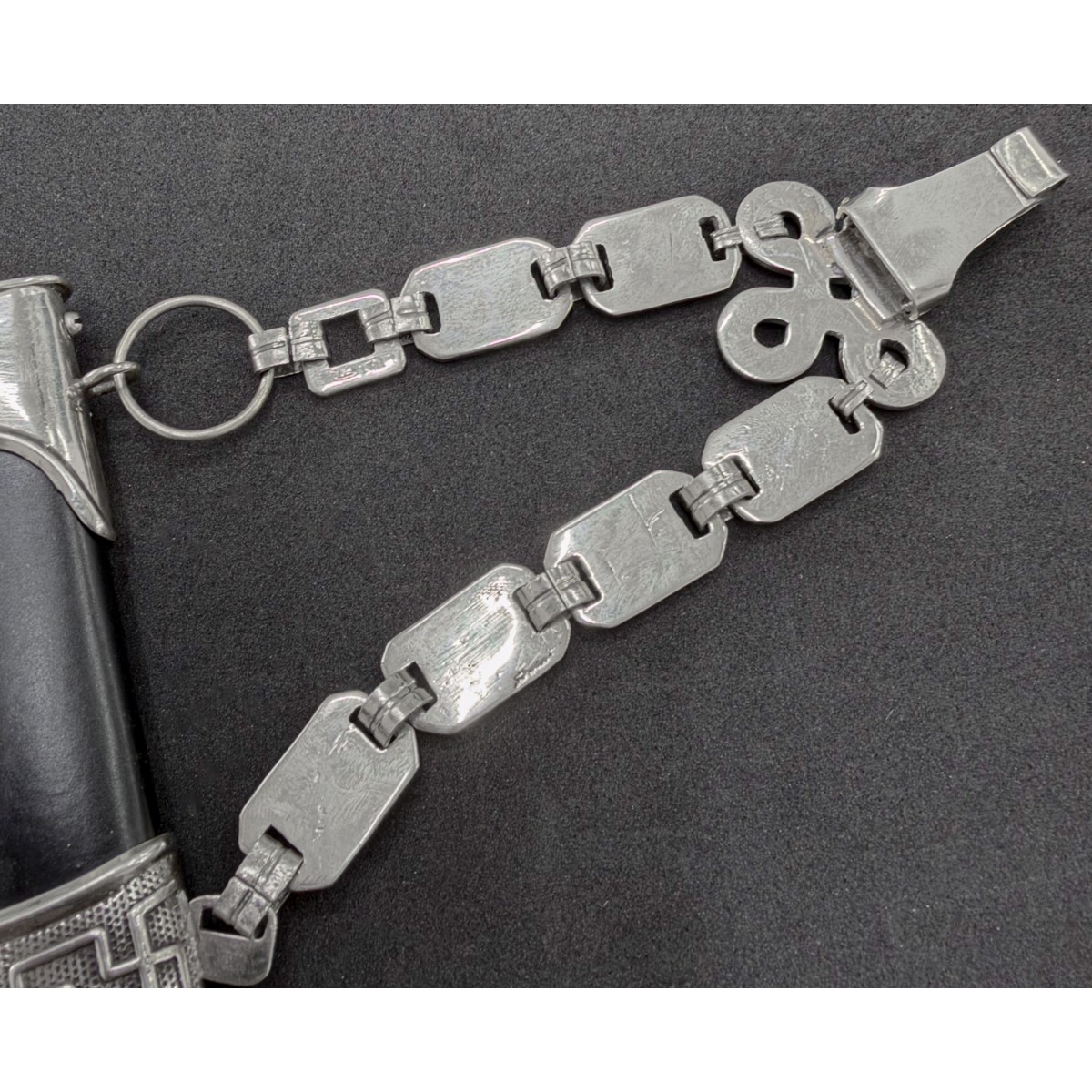
Model 1936 SS Chained Dagger with chain suspension, genuine wooden grip, steel blade and black metal scabbard. The chain alternates SS runes and Totenkopf links. Unique factory prototype: only one example was made and this model will never be produced or restocked again.
Product temporarily out of stock.
- Satisfied or refunded: we guarantee 100% secure protection on your purchases
- Free return: return your order free of charge within 30 days from receipt
- Secure payments: pay securely online with PayPal or credit cards

More info
This Model 1936 SS Chained Dagger, historically known as the SS-Kettendolch Modell 1936, is one of the most elaborate special projects produced by our factory.
It was manufactured as a single prototype only. It will not enter series production: this is the sole example of this particular version and, once sold, no second piece will be manufactured or restocked.
The historical Model 1936 was introduced as a development of the earlier Model 1933 SS service dagger. Its defining innovation was the elaborate chain suspension system, which required a redesigned scabbard and gave the dagger a markedly different appearance.
The chained dagger was initially reserved primarily for officers and long-serving SS members, while personnel of lower rank could also qualify through the required length of membership.
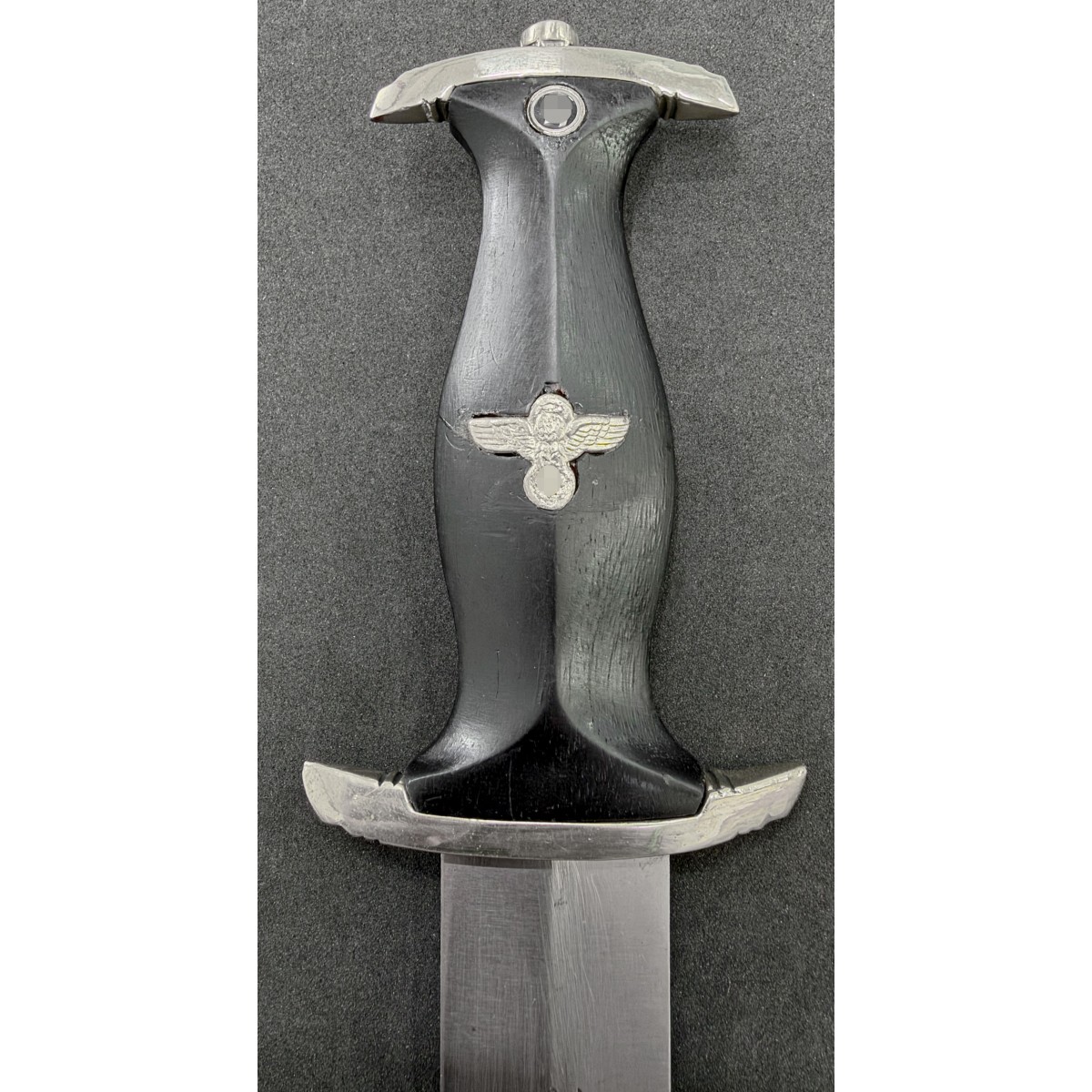
The grip of this example is manufactured from genuine wood, shaped in the distinctive waisted form and finished in black. The upper section carries the circular SS runes insignia, while the metal eagle is inset into the centre.
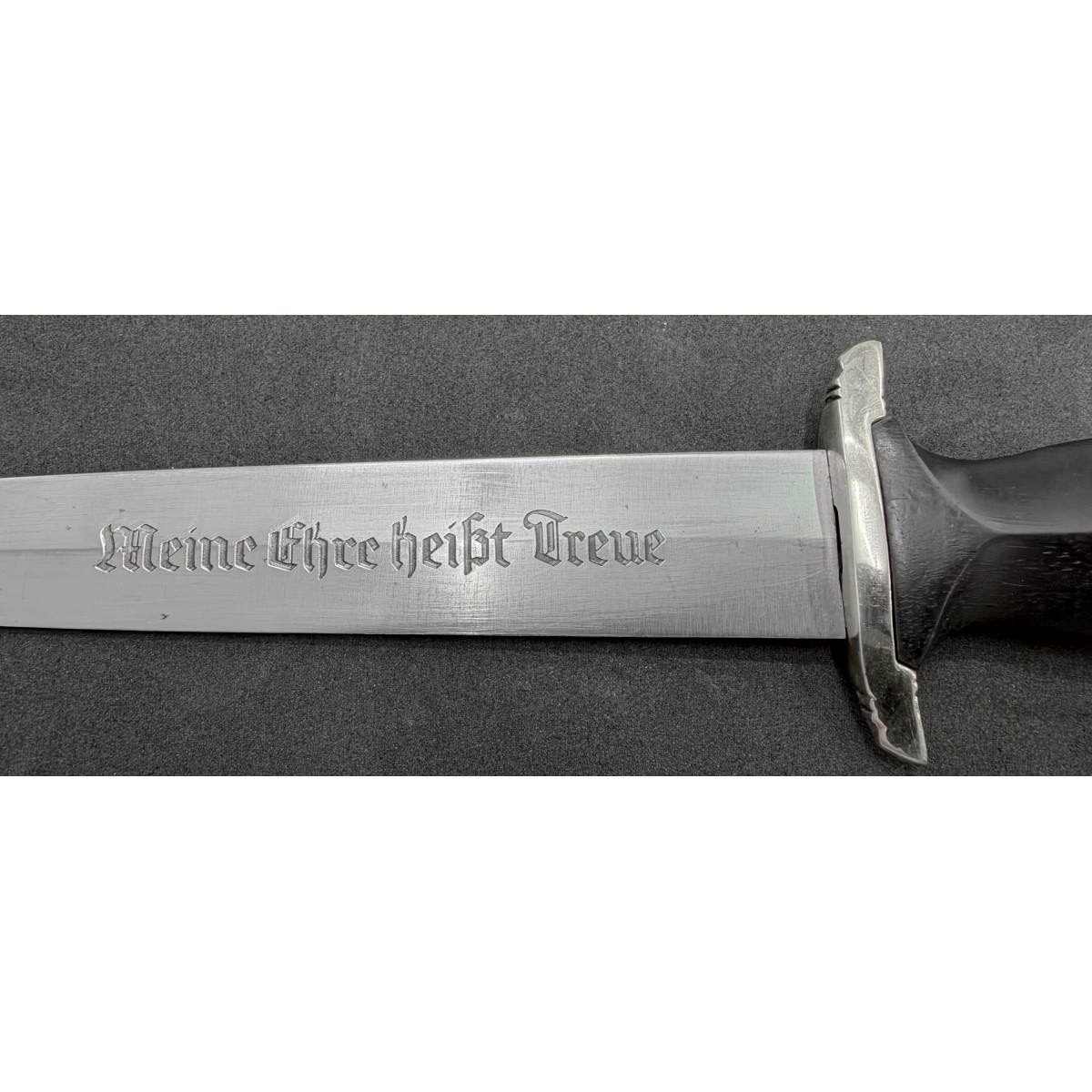
The blade is made from steel, with the characteristic straight, double-edged profile and symmetrical point. One side bears the historical motto:
“Meine Ehre heißt Treue”
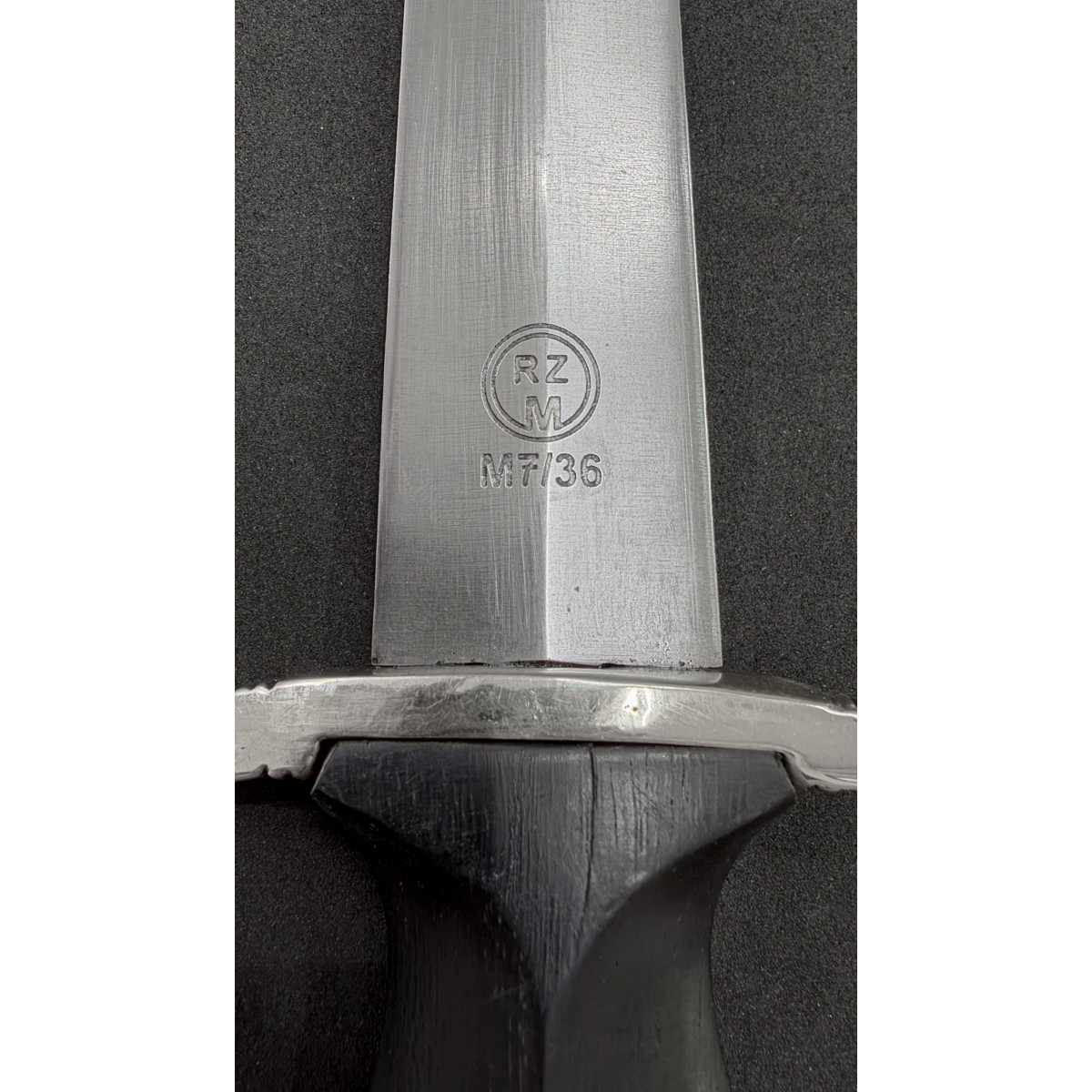
The reverse carries an RZM M7/36 marking, historically assigned to E. & F. Hörster of Solingen.
Hörster belonged to Solingen's long-established edged-weapon industry and manufactured swords, sabres, bayonets and daggers. Within the RZM system, the M7 prefix identified authorised dagger manufacturers.
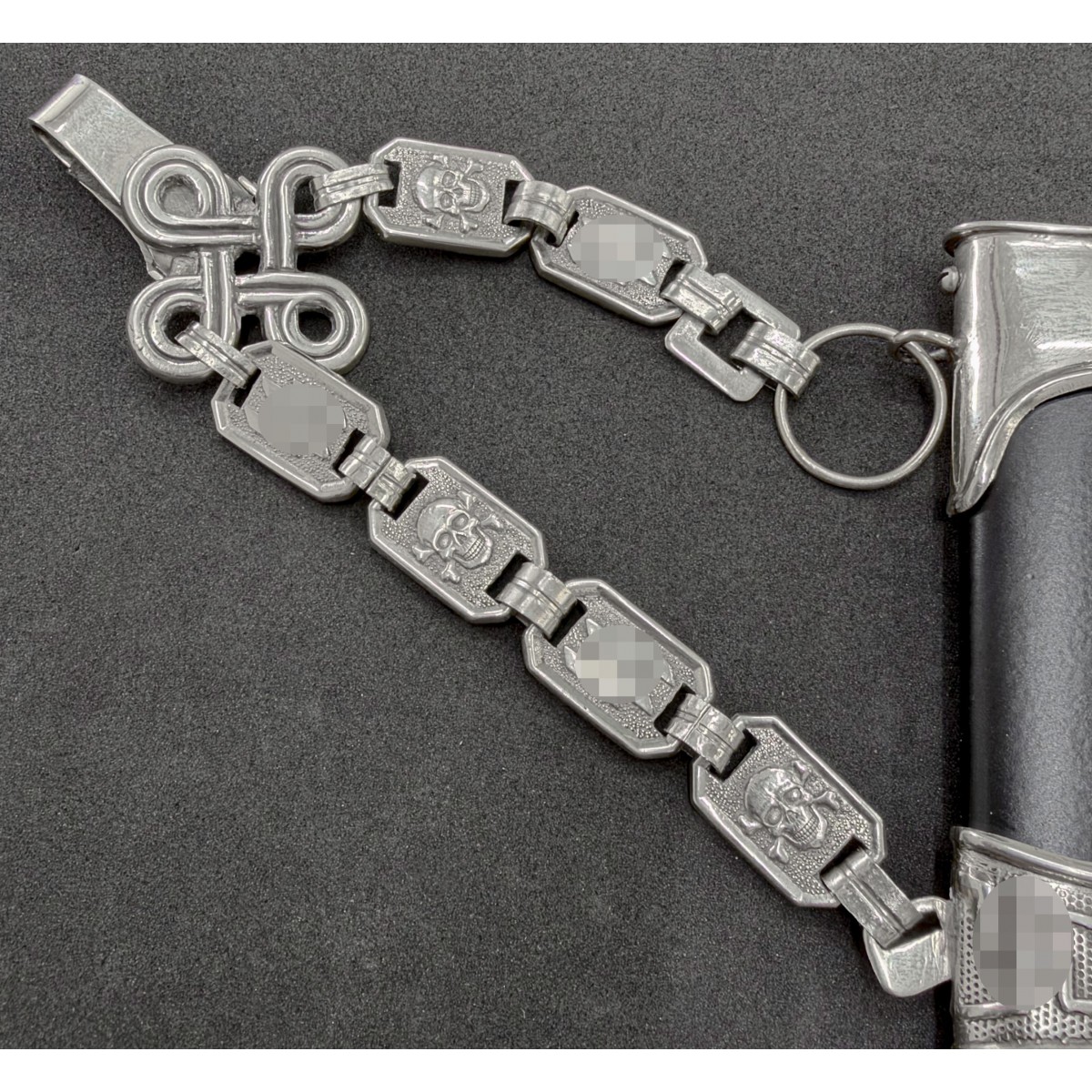
The principal feature of the Model 1936 is its Kettengehänge, or chain suspension. The rectangular links alternate between the Totenkopf skull-and-crossbones motif and SS runes, producing one of the most distinctive suspension systems found on German edged weapons of the period.
The two sections of chain meet at the characteristic intertwined upper fitting generally known by collectors as the Wotan knot.
The black metal scabbard is fitted with upper and lower metal mounts and, most importantly, a separate central suspension band. This central fitting carries the distinctive interlocking swastika ornament associated with the M1936 pattern.
The central band alone provides one of the quickest ways of distinguishing a chained Model 1936 scabbard from the simpler Model 1933 configuration.
Period chain assemblies were manufactured in several different forms. Variations occur in the shape of the skulls and runes, the connecting links, the metal composition and the inspection or maker markings.
Early chains were generally manufactured from nickel silver, while later versions increasingly employed nickel-plated steel and other substitute alloys as material availability changed.
The scabbards evolved in a similar way. Early examples generally featured higher-grade darkened finishes and solid nickel fittings, while later production increasingly employed painted surfaces and plated components.
An important historical distinction concerns the blade markings. Regulation factory-assembled Model 1936 chained daggers were normally fitted with unmarked reverse blades, unlike many contemporary political daggers carrying RZM manufacturer codes. This unique prototype instead bears the M7/36 code of E. & F. Hörster, a deliberate identifying detail of this particular construction.
The chained dagger was therefore more than a decorative variation of the earlier SS dagger. The right to wear it was linked to rank and length of service, giving the M1936 a distinct status function within the organisation.
A lesser-known feature concerns the chains themselves: modern specialist studies distinguish several different production families, commonly designated Types A, B1, B2 and C, reflecting changes in construction and materials between 1936 and the wartime period.
This example remains a true one-off factory piece. Its genuine wooden grip, steel blade, complex three-mount scabbard and complete chain suspension were assembled for this single prototype only. No second identical example will be produced.
Data sheet
| Lenght | 38 cm |
| Width | 7.5 cm |
| Weight | 302.5 gr |
| Material | Wood, Steel, Brass |
| Disclaimer | Ornamental display item with no sharp edge, offensive point or cutting/piercing function. Not a weapon or object suitable for offence; sold in compliance with D.Lgs. 54/2011 and Directive 2009/48/EC, where applicable. |
30 other products in the same category:

Customers who bought this product also bought:
Daggers and Knives (Ornamental)
- Germany
- Uniforms
- Medals, Orders and Decorations
- Badges and Pins
- ID Tags
- Arm Shields
- Helmets
- Helmet Decals
- Visor Caps and Hats
- Cap and Helmet Badges
- Collar Tabs Badges
- Collar Tabs, Shoulder Boards and Epaulettes
- Arm Bands
- Division Cuff Titles
- Buckles And Belts
- Buttons For Uniforms
- Stamps
- Gorgets
- Rings
- SS Honour Ring in 925 Silver - Collector's Set
- Poletops
- Flags
- Daggers and Knives (Ornamental)
- Field Marshal Batons
- Field and Personal Equipment
- Service Watches
- Presentation Cases
- Documents and Award Letters
- Busts, Eagles, Lighters and Miscellaneous
- Croatian and Ustasha Militaria
- Denazified Articles
- Commemorative Necklaces
- Spare Parts, Small Parts and Accessories
- Italy
- Medals and Decorations
- Brevets And Badges
- Battle Shields and Tags
- Gorgets
- Visor Caps and Hats
- Cap and Helmet Badges
- Helmets Decals
- Friezes for Collar Tabs
- Collar Tabs, Shoulder Boards and Epaulettes
- Buckles
- Belts
- Buttons For Uniforms
- Rings
- Poletops
- Italian Resistance
- Keyrings
- Wallshields
- Daggers and Knives
- Flags
- Busts and Eagles
- Souvenirs
- Commemorative Necklaces
- Imperial Germany
- Soviet Union
- Other Countries