
No products
Product successfully added to your shopping cart
There are 0 items in your cart. There is 1 item in your cart.
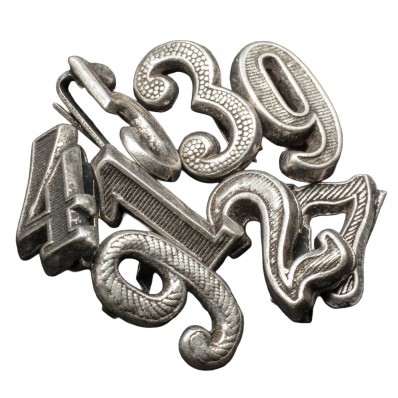


Silver Metal Numbers for German WWII Shoulder Boards
New
Silver Metal Numerals for German Shoulder Boards, worn on Schulterklappen and Schulterstücke to indicate regiments, detachments or units. Silver or aluminium-finished devices were typical for NCOs, while officers often used gilt numerals and enlisted ranks commonly had embroidered numbers.
- Satisfied or refunded: we guarantee 100% secure protection on your purchases
- Free return: return your order free of charge within 30 days from receipt
- Secure payments: pay securely online with PayPal or credit cards

More info
Silver Metal Numerals for German Shoulder Boards
The Silver Metal Numerals for German Shoulder Boards were small applied devices used on German Schulterklappen and Schulterstücke, the shoulder straps and shoulder boards of the uniform. Their purpose was to identify a regiment, detachment, unit or formation, adding a further layer of information to the wearer’s rank, branch color and shoulder-board construction.
In German terminology, these pieces are usually called Zahlenauflagen, Metallzahlen, Schulterklappen-Auflagen or Schulterstückauflagen. The word Auflage refers to an applied device placed on top of the shoulder board rather than woven or embroidered into it. Surviving examples and specialist listings describe these items as Zahlenauflagen für Schulterklappen, often made of aluminium and fitted with two rear prongs for attachment.
Within the German Army uniform system, shoulder straps and shoulder boards were highly informative. They did not merely show rank; they also indicated branch, function and, in many cases, specific unit assignment. Numbers, letters, monograms and specialist symbols could be added to identify the wearer’s organization. Uniform references note that the German Army used many different shoulder-board devices to show the unit to which the wearer belonged.
The silver finish is significant. In the Wehrmacht system, officers generally wore stamped gilt-metal ciphers, while NCOs wore stamped aluminium or silver-colored metal devices. Enlisted personnel commonly had numbers or monograms embroidered directly onto the shoulder straps. This distinction between gilt metal, silver/aluminium metal and embroidery is described in specialist guides to German shoulder-board insignia.
Construction was usually simple and functional. The numeral was stamped or formed in light metal and attached by two small rear prongs, passed through the fabric and bent over on the reverse. This allowed the number to be fixed securely while keeping the shoulder board visually clean. Depending on the branch and unit, the numeral could be worn alone or combined with letters or other devices.
These numerals were part of a broader visual code. A single number did not always identify a unit by itself, because the same number could appear across different branches or formations. Correct identification often requires reading the entire shoulder board: numeral, branch color, rank, board type and any additional letters or symbols. The Lexikon der Wehrmacht notes that the combination of unit number and letters can often be used to determine the unit.
Curiosity: in period black-and-white photographs, branch colors are often difficult or impossible to read. For this reason, metal numerals can become especially important clues, but they must always be interpreted together with the shoulder-board style, rank details and any additional insignia visible on the uniform.
28 other products in the same category:

Customers who bought this product also bought:
Collar Tabs Badges
- Germany
- Uniforms
- Medals, Orders and Decorations
- Badges and Pins
- ID Tags
- Arm Shields
- Helmets
- Helmet Decals
- Visor Caps and Hats
- Cap and Helmet Badges
- Collar Tabs Badges
- Collar Tabs, Shoulder Boards and Epaulettes
- Arm Bands
- Division Cuff Titles
- Buckles And Belts
- Buttons For Uniforms
- Stamps
- Gorgets
- Rings
- SS Honour Ring in 925 Silver - Collector's Set
- Poletops
- Flags
- Daggers and Knives (Ornamental)
- Field Marshal Batons
- Field and Personal Equipment
- Service Watches
- Presentation Cases
- Documents and Award Letters
- Busts, Eagles, Lighters and Miscellaneous
- Croatian and Ustasha Militaria
- Denazified Articles
- Commemorative Necklaces
- Spare Parts, Small Parts and Accessories
- Italy
- Medals and Decorations
- Brevets And Badges
- Battle Shields and Tags
- Gorgets
- Visor Caps and Hats
- Cap and Helmet Badges
- Helmets Decals
- Friezes for Collar Tabs
- Collar Tabs, Shoulder Boards and Epaulettes
- Buckles
- Belts
- Buttons For Uniforms
- Rings
- Poletops
- Italian Resistance
- Keyrings
- Wallshields
- Daggers and Knives
- Flags
- Busts and Eagles
- Souvenirs
- Commemorative Necklaces
- Imperial Germany
- Soviet Union
- Other Countries