
No products
Product successfully added to your shopping cart
There are 0 items in your cart. There is 1 item in your cart.
2nd Siberian Cossack Cavalry Regiment Cross
New
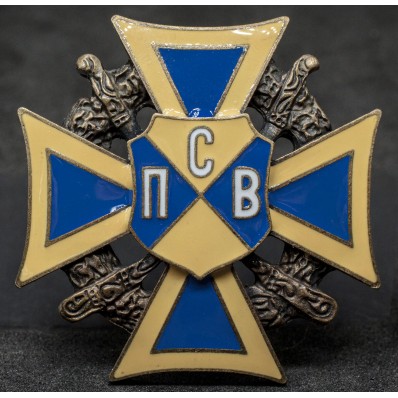
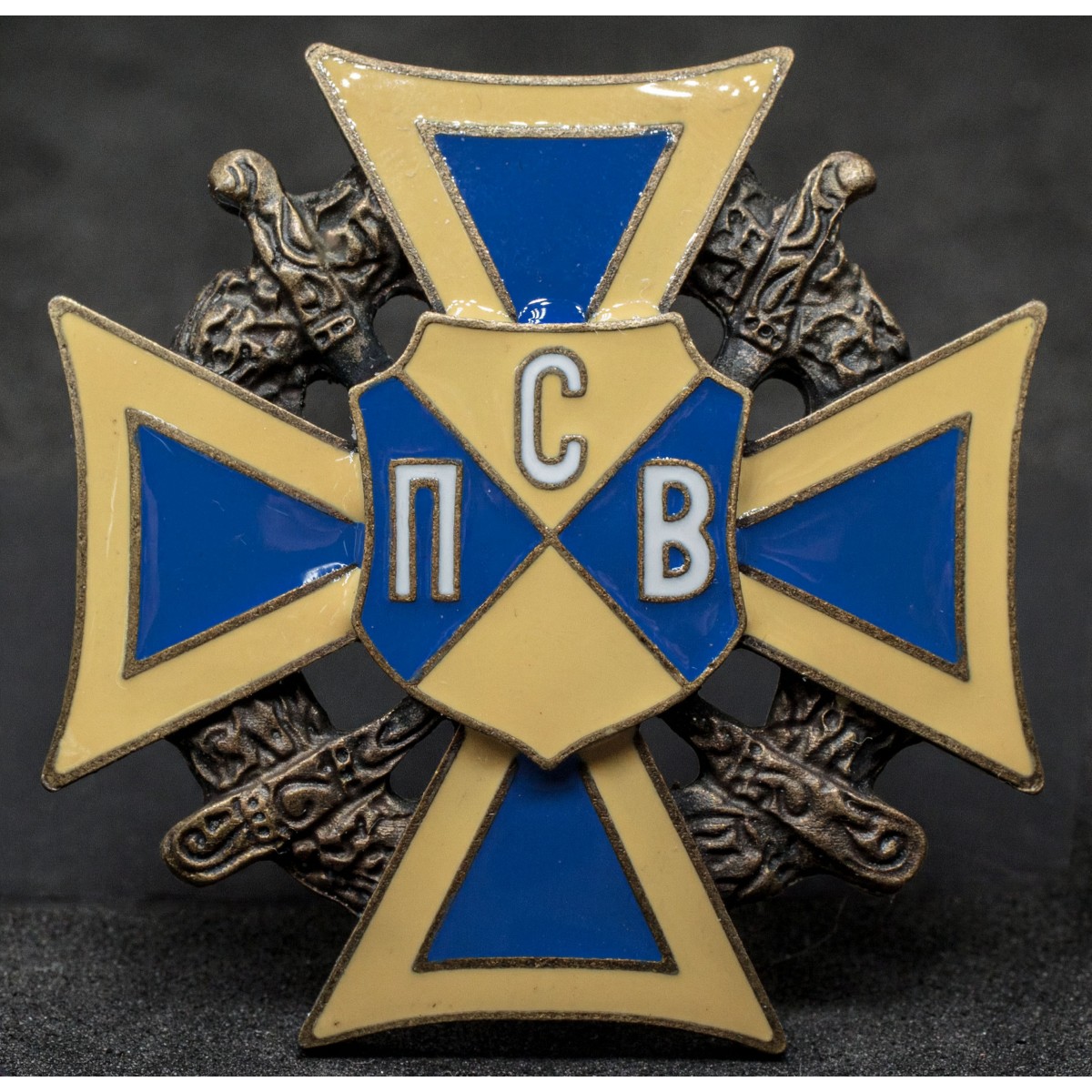
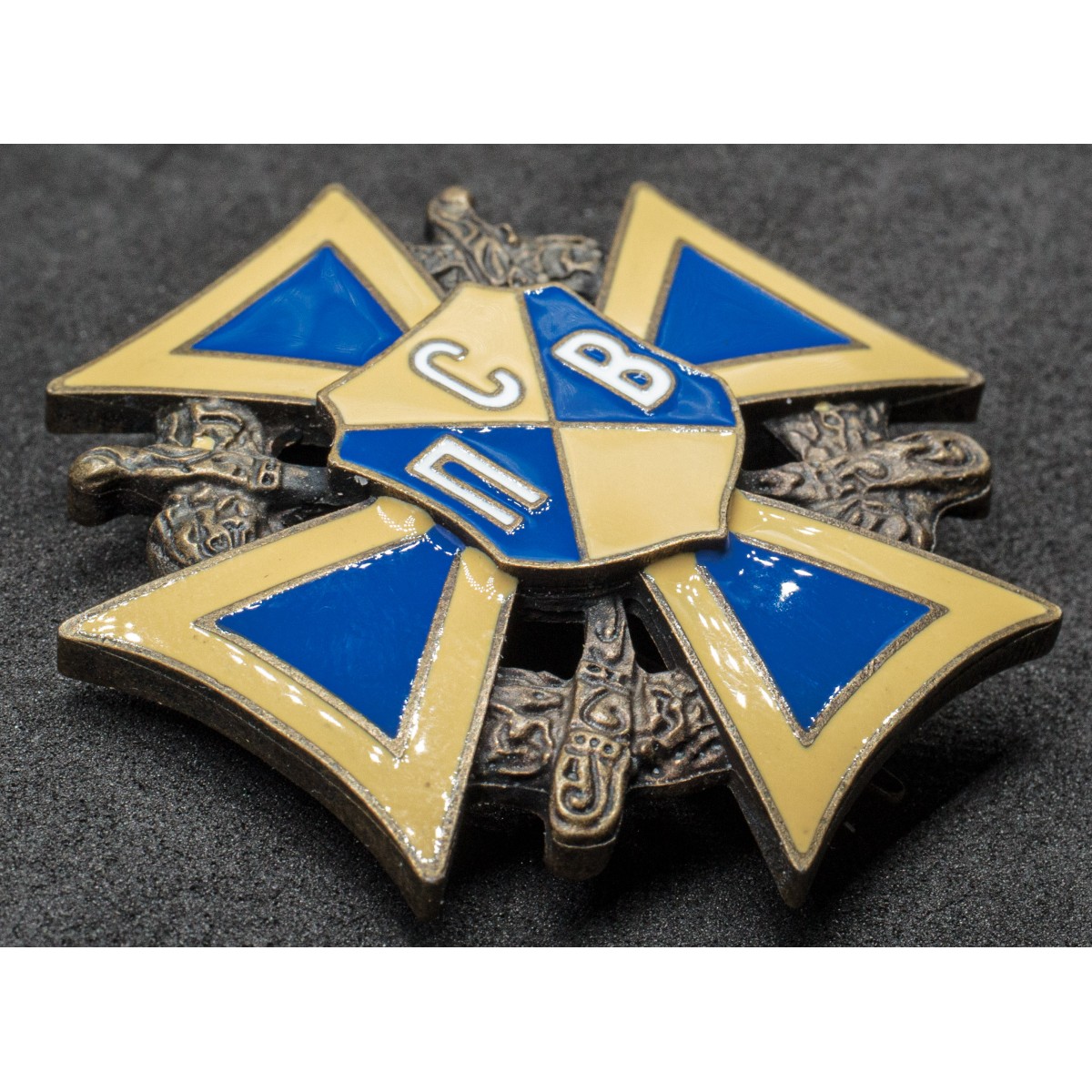
Regimental cross of the 2nd Siberian Cossack Cavalry Regiment, formed in 1943 as part of the 1st Cossack Cavalry Division. A non-regulation breast badge featuring blue and yellow enamel, the Cyrillic abbreviation ПСВ, and cavalry-related motifs associated with the regiment.
- Satisfied or refunded: we guarantee 100% secure protection on your purchases
- Free return: return your order free of charge within 30 days from receipt
- Secure payments: pay securely online with PayPal or credit cards

More info
The 2nd Siberian Cossack Cavalry Regiment Cross was a regimental insignia associated with the Sibirisches Kosaken-Reiter-Regiment 2, one of the Cossack formations serving within the 1st Cossack Cavalry Division of the German Wehrmacht.
Rather than being a formally instituted German state decoration, it was essentially a non-regulation regimental or tradition badge, intended to express membership of and identity with the unit. Cossack regimental crosses were highly unusual within the German armed forces. The 2nd Siberian Regiment and the 5th Don Cossack Cavalry Regiment are particularly noted for having their own distinctive breast crosses.
The design uses the characteristic combination of blue and yellow, colours also found on the unit insignia associated with Siberian Cossacks in German service. The central shield carries the Cyrillic letters ПСВ, representing Polk Sibirskogo Voiska, or “Regiment of the Siberian Host.” Stylised equestrian elements appear between the arms of the cross, reinforcing the cavalry identity of the regiment.
The history of the unit itself involved several rapid changes of designation. It was initially formed as Kosaken-Reiter-Regiment 2 on 1 August 1943, renamed Ural-Kosaken-Reiter-Regiment 2 on 5 August, and finally redesignated Sibirisches Kosaken-Reiter-Regiment 2 on 25 August 1943. These changes formed part of the wider reorganisation of Cossack troops according to their traditional Don, Kuban, Terek, Ural and Siberian identities.
The regiment was commanded by Ernst Gustav Heimert Freiherr von Nolcken, a Baltic-German cavalry officer who had previously served in the Estonian military before entering German service. Von Nolcken remained in command until the end of the war and is among the documented wearers of the regimental cross, appearing in 1944 photographs with the badge worn on his uniform.
The regiment served primarily in Croatia and the Balkans, where the 1st Cossack Cavalry Division was extensively employed in operations against Yugoslav partisan forces. During the closing phase of the war the Cossack formations were transferred to Waffen-SS administration and in 1945 became part of the XV SS Cossack Cavalry Corps, while retaining much of their distinctive Cossack organisation and symbolism.
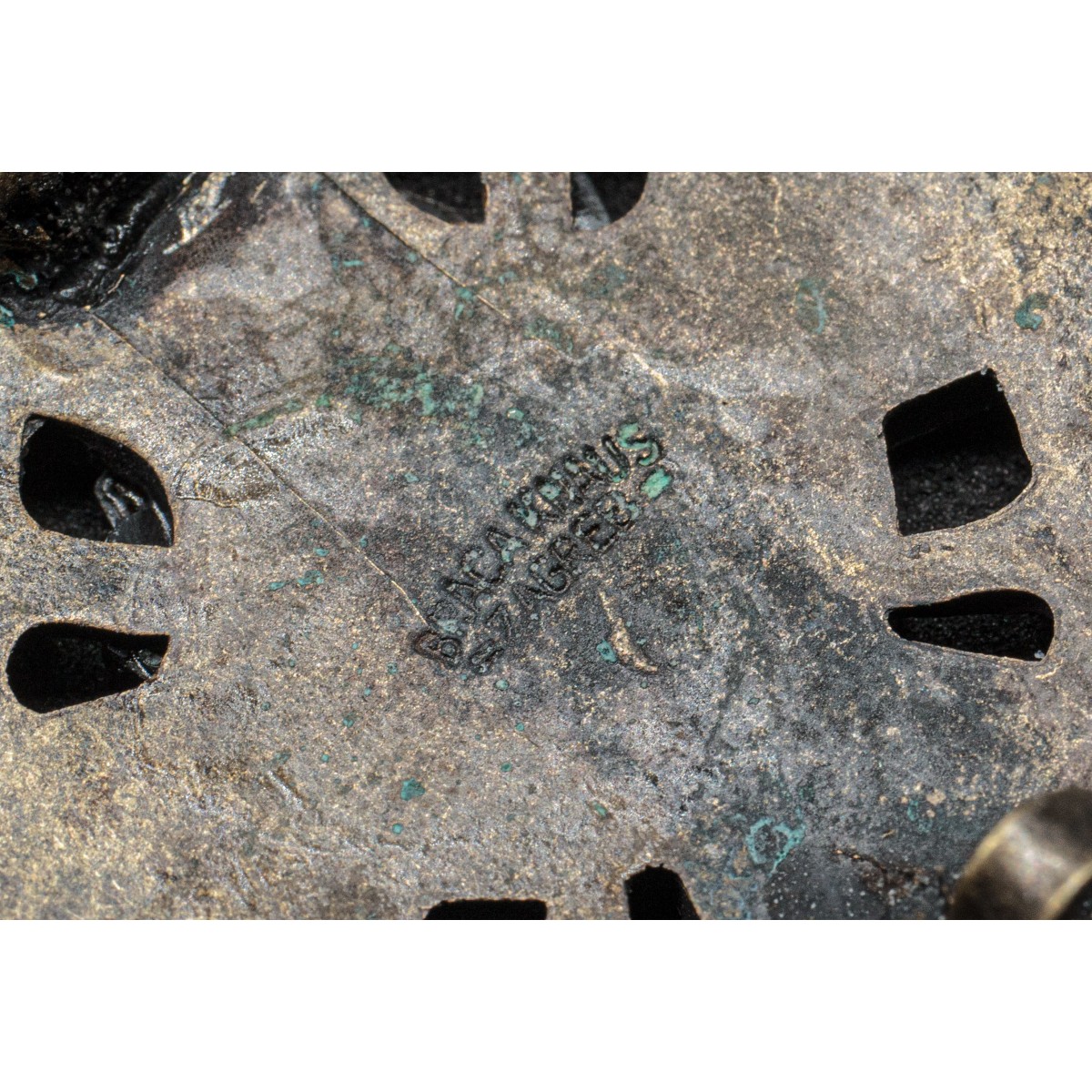
The manufacture of the cross is particularly noteworthy. Period examples are associated with Braća Knaus of Zagreb, one of the important Croatian manufacturers of military orders, medals and badges during the war. The company developed from the earlier Griesbach & Knaus firm and operated from Ilica 15 in Zagreb.
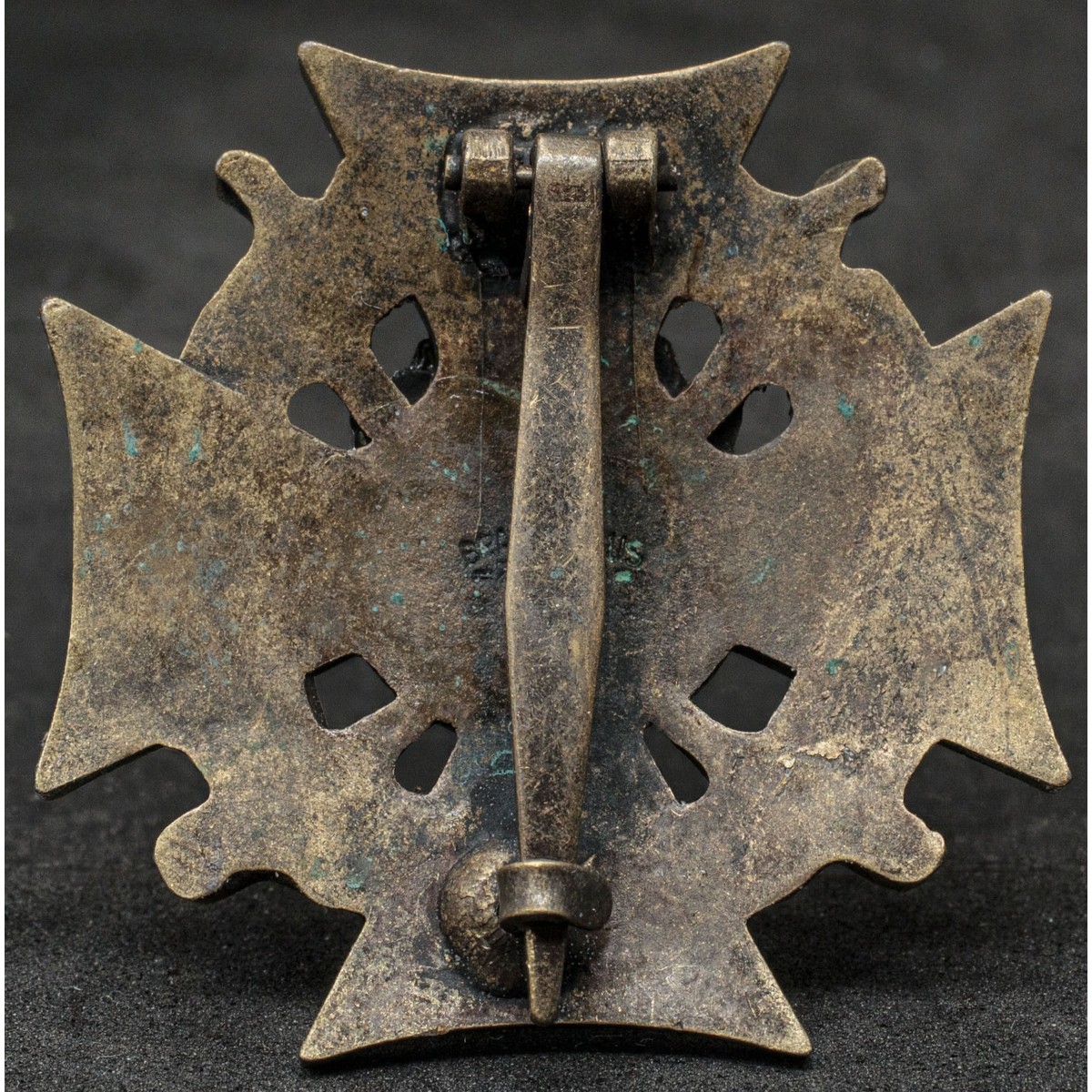
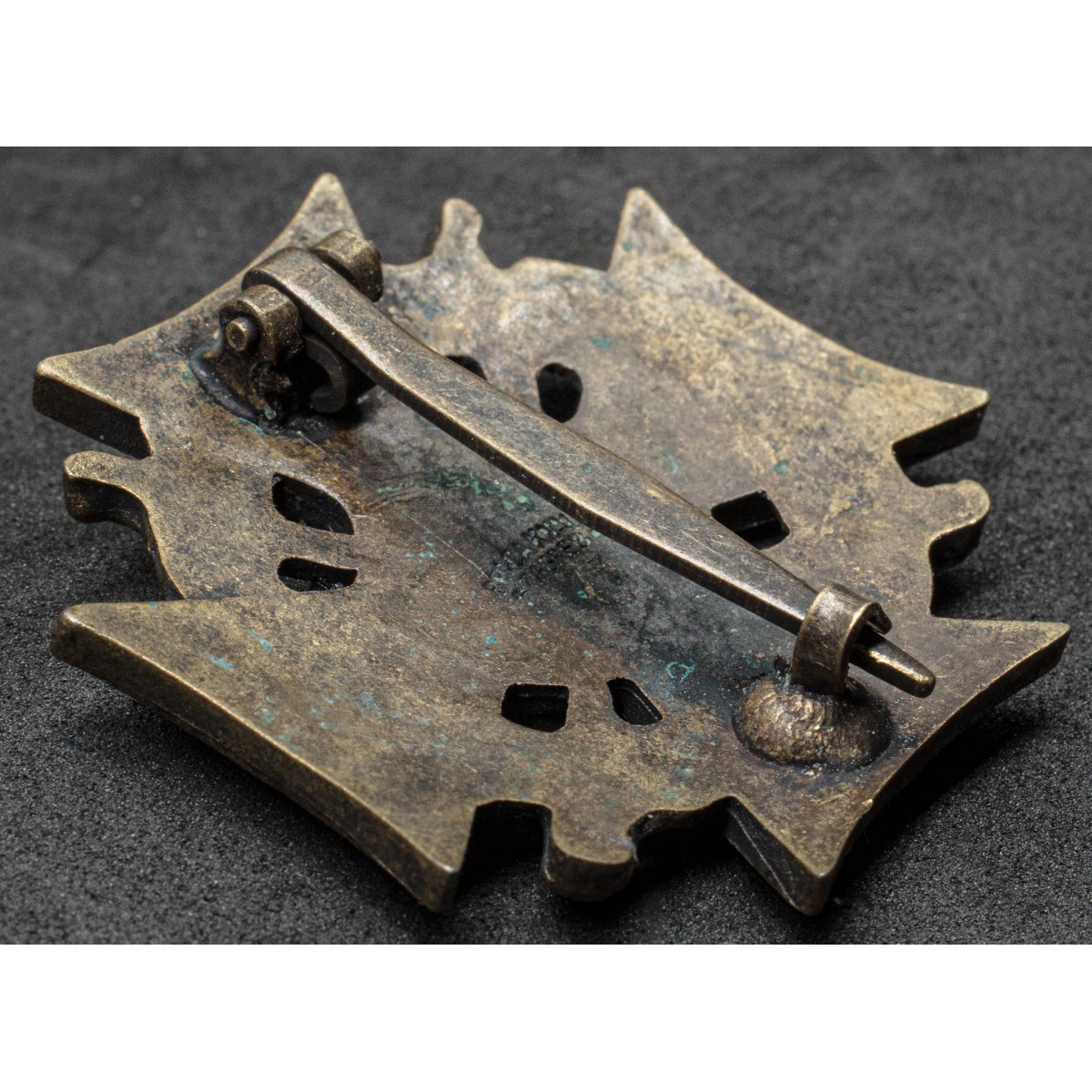
A documented period example is made from slightly vaulted non-ferrous metal, with blue and yellow enamel and a broad vertical pin on the reverse. It is marked “BRACA KNAUS ZAGREB.” No established system of separate official classes or grades is known for the cross; differences encountered between surviving pieces mainly concern enamel shades, surface finish, patination and minor manufacturing details rather than rank or award level.
The history of the manufacturer continued beyond the war. Following the collapse of the wartime Croatian state, the Braća Knaus workshop was confiscated and nationalised, with its production equipment eventually incorporated into the Yugoslav state manufacturer IKOM, later responsible for numerous Yugoslav orders, medals and badges.
A lesser-known feature of the cross is therefore its distinctly local origin: although associated with a Cossack regiment serving within the German armed forces, it was manufactured in Zagreb, directly within the theatre in which the regiment spent much of its operational existence.
Data sheet
| Lenght | 46.70 mm |
| Width | 46.32 mm |
| Thickness | 2.66 mm |
| Weight | 26.6 gr |
| Material | Zamak, Iron, Brass, Enamels |
30 other products in the same category:

Customers who bought this product also bought:
Heer and Combat Badges
- Germany
- Uniforms
- Medals, Orders and Decorations
- Badges and Pins
- ID Tags
- Arm Shields
- Helmets
- Helmet Decals
- Visor Caps and Hats
- Cap and Helmet Badges
- Collar Tabs Badges
- Collar Tabs, Shoulder Boards and Epaulettes
- Arm Bands
- Division Cuff Titles
- Buckles And Belts
- Buttons For Uniforms
- Stamps
- Gorgets
- Rings
- SS Honour Ring in 925 Silver - Collector's Set
- Poletops
- Flags
- Daggers and Knives (Ornamental)
- Field Marshal Batons
- Field and Personal Equipment
- Service Watches
- Presentation Cases
- Documents and Award Letters
- Busts, Eagles, Lighters and Miscellaneous
- Croatian and Ustasha Militaria
- Denazified Articles
- Commemorative Necklaces
- Spare Parts, Small Parts and Accessories
- Italy
- Medals and Decorations
- Brevets And Badges
- Battle Shields and Tags
- Gorgets
- Visor Caps and Hats
- Cap and Helmet Badges
- Helmets Decals
- Friezes for Collar Tabs
- Collar Tabs, Shoulder Boards and Epaulettes
- Buckles
- Belts
- Buttons For Uniforms
- Rings
- Poletops
- Italian Resistance
- Keyrings
- Wallshields
- Daggers and Knives
- Flags
- Busts and Eagles
- Souvenirs
- Commemorative Necklaces
- Imperial Germany
- Soviet Union
- Other Countries