
No products
Product successfully added to your shopping cart
There are 0 items in your cart. There is 1 item in your cart.
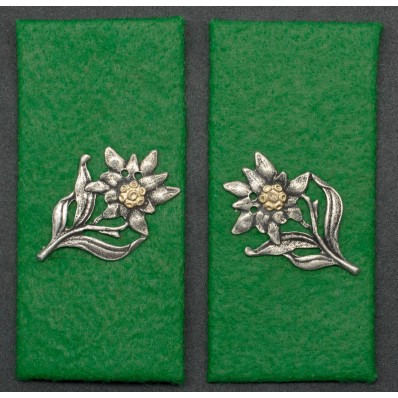
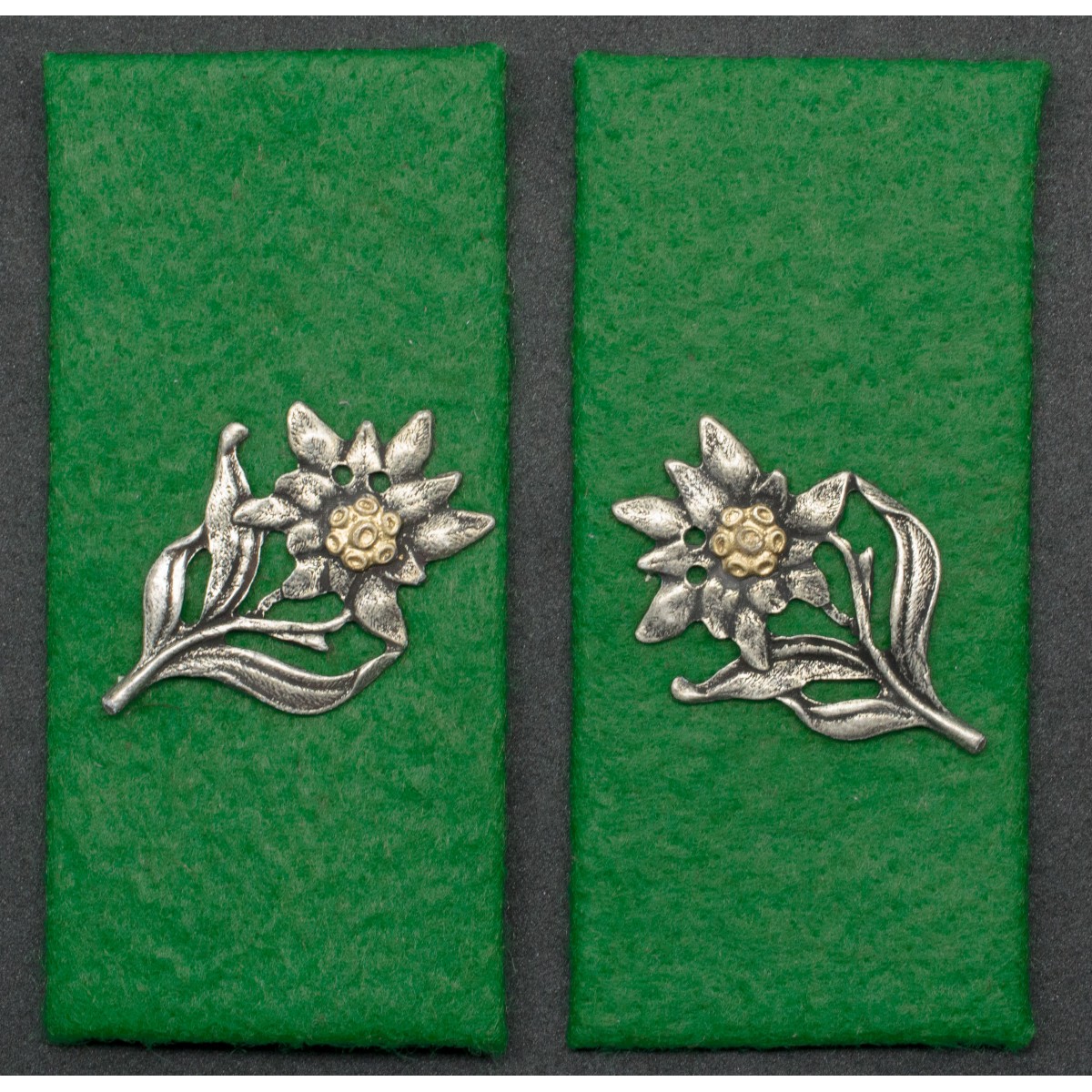
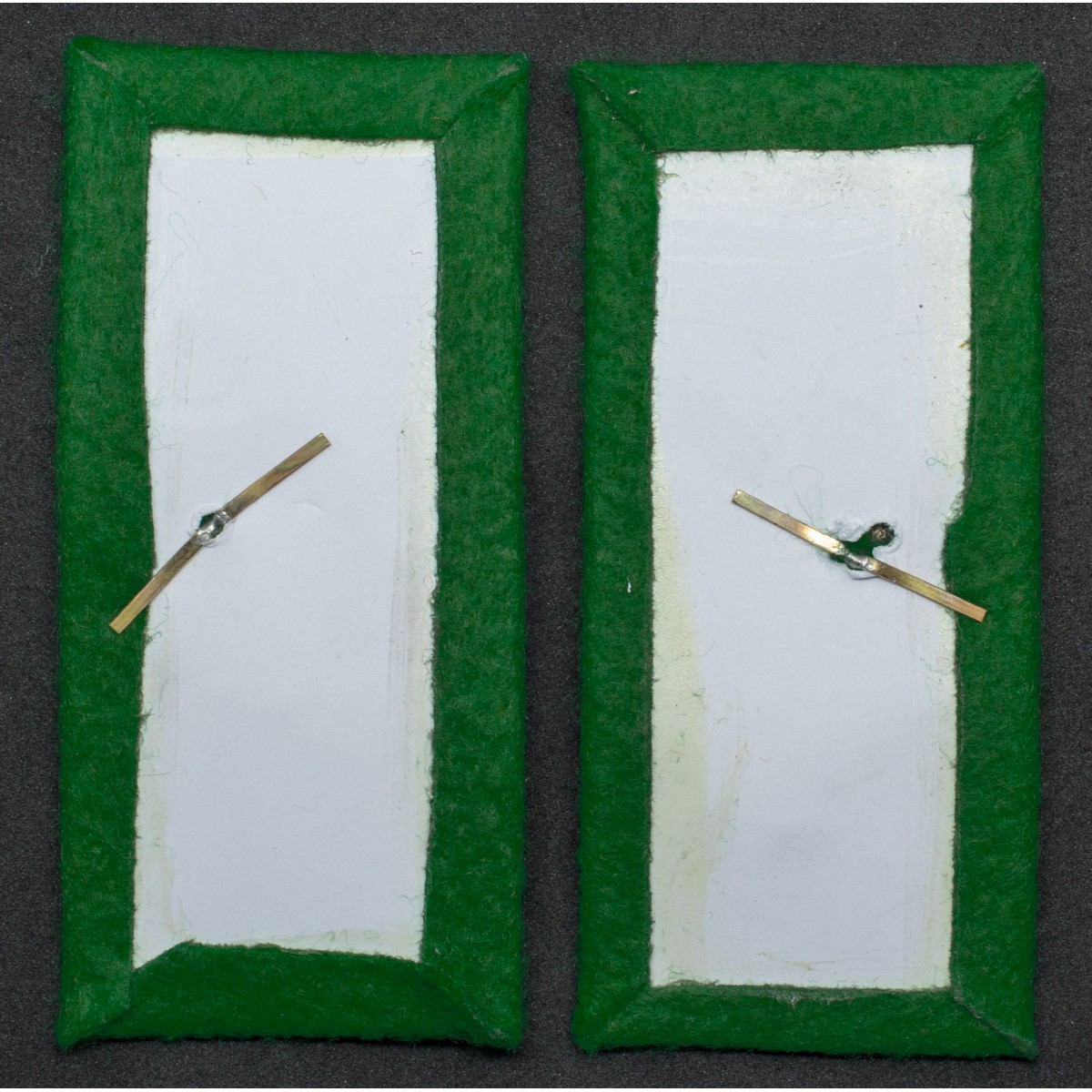
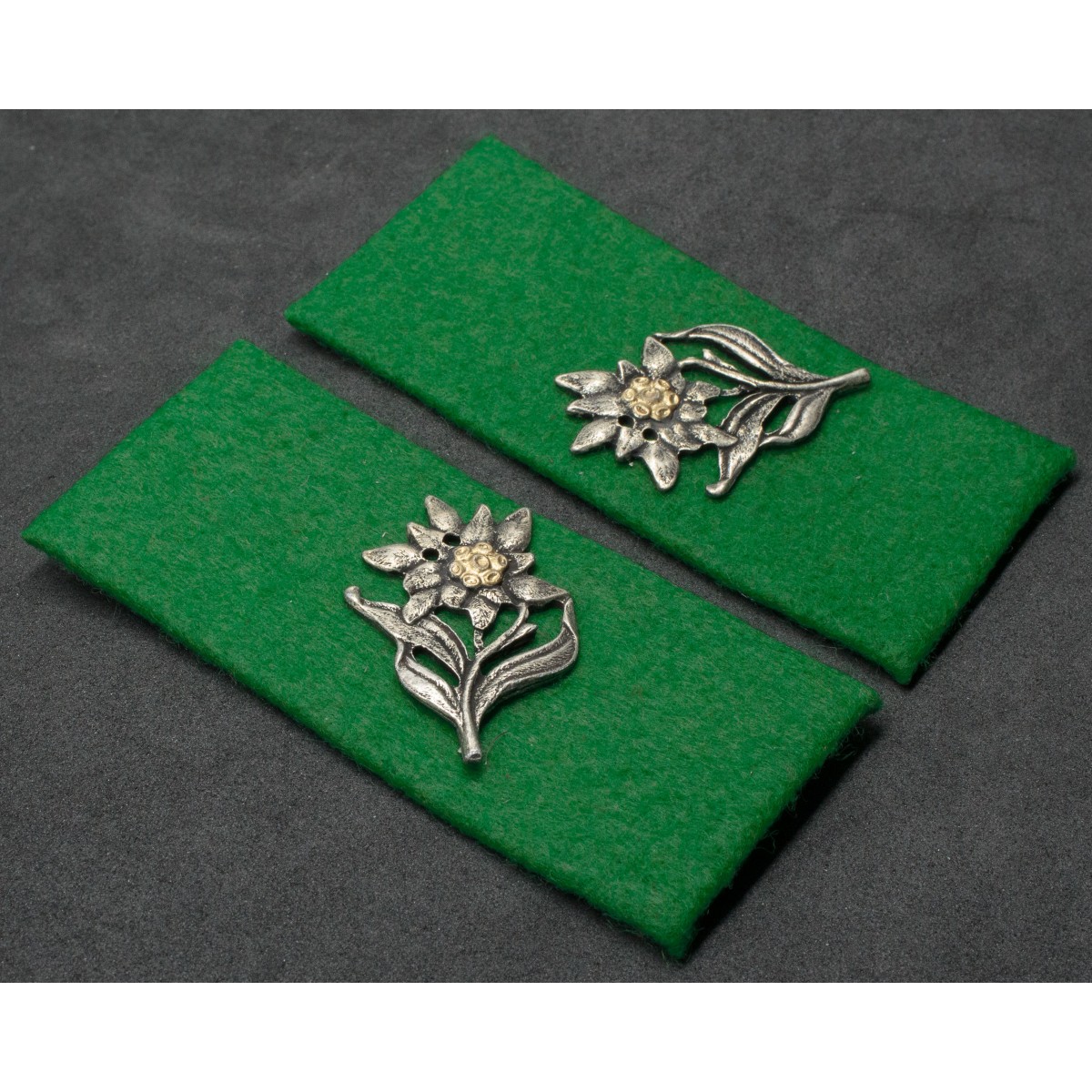
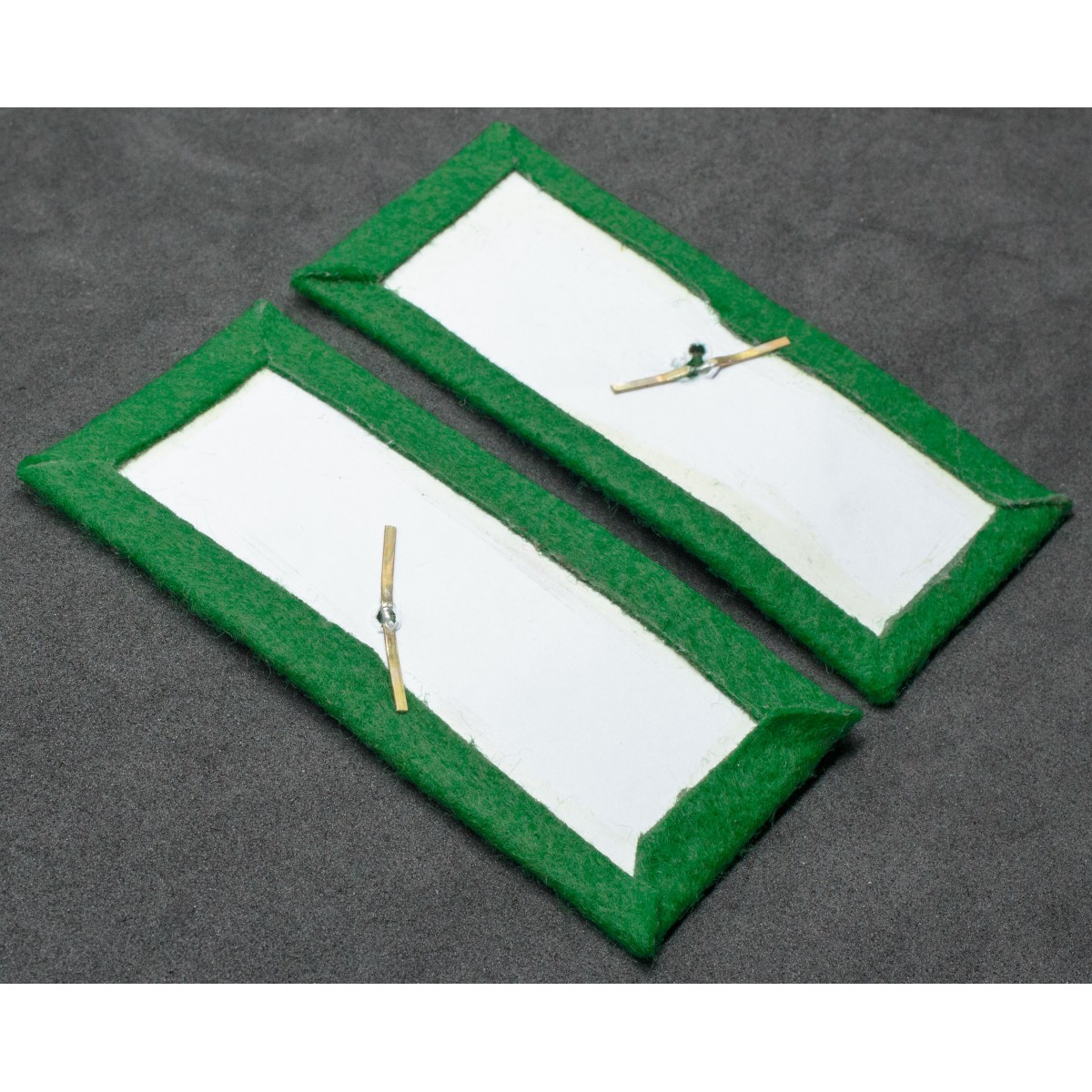
Collar Tabs of the "Landesschützen" Mountain Troops
New
Collar tabs of the Landesschützen mountain troops, part of the Austro-Hungarian k.k. Landwehr and recruited mainly in Tyrol, Trentino and Vorarlberg. The green colour and edelweiss identified these alpine troops, trained for mountain warfare.
- Satisfied or refunded: we guarantee 100% secure protection on your purchases
- Free return: return your order free of charge within 30 days from receipt
- Secure payments: pay securely online with PayPal or credit cards

More info
Collar tabs of the Landesschützen mountain troops of the Austro-Hungarian Army, a distinctive uniform element of the alpine units of the k.k. Landwehr, the Austrian territorial component of the Habsburg armed forces. The k.k. Landesschützen were recruited mainly in Tyrol, which at the time also included Trentino, and in Vorarlberg. From 1906 they formed part of the k.k. Gebirgstruppe, the mountain troops of the Austro-Hungarian forces. On 16 January 1917, in recognition of their operational record, they were renamed Kaiserschützen.
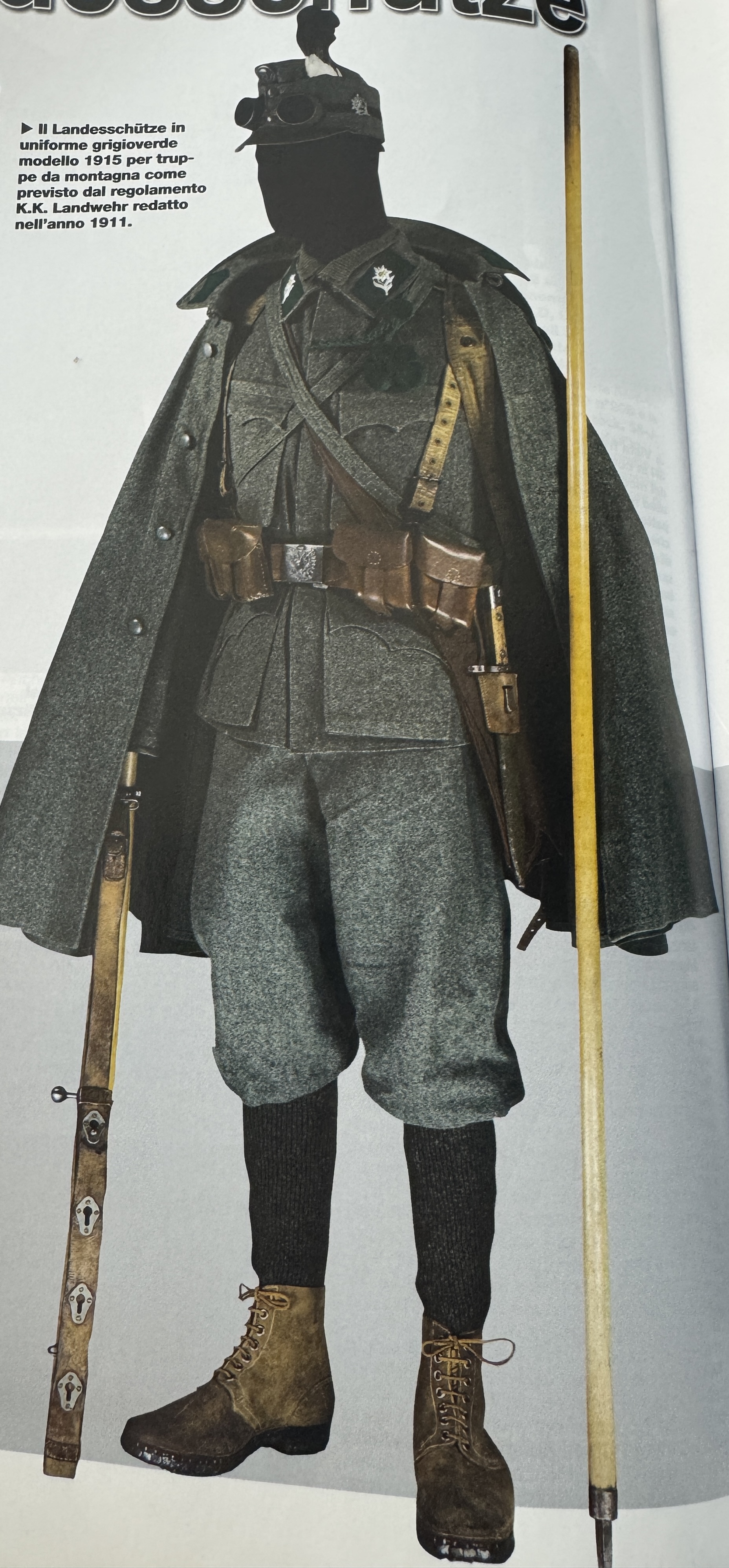
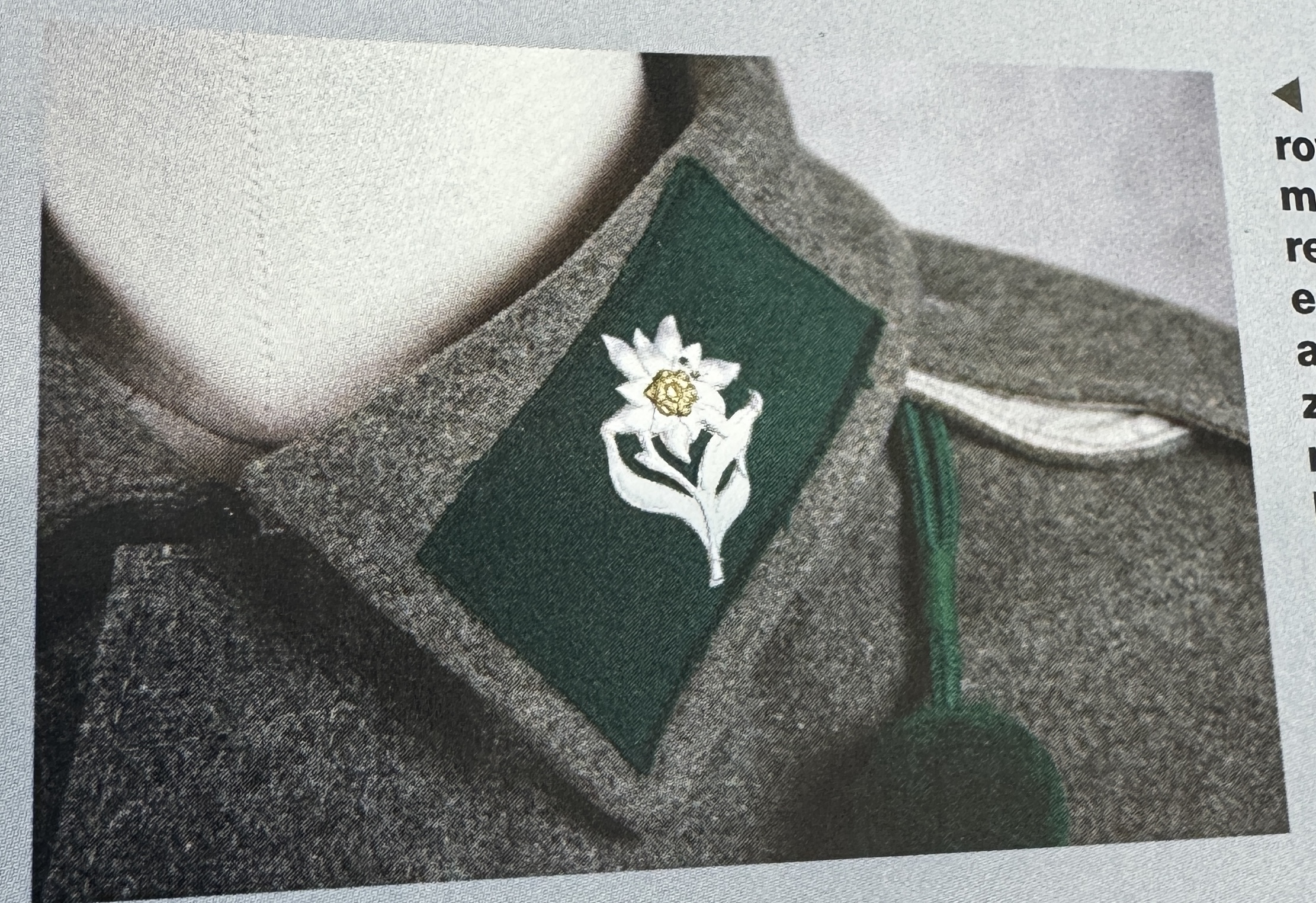
These collar tabs were worn on the collar of the tunic and belonged to the Austrian system of Paroli, the collar patches used to show branch, speciality and rank. For the Landwehr mountain troops, the distinctive colour was grass green, while the most recognizable emblem was the edelweiss, worn on the collar as the symbol of alpine service. For enlisted men, the edelweiss was generally made of stamped metal; for officers, it could be embroidered in silver thread.
From a uniformological point of view, these collar tabs are closely associated with the M.08 Gebirgs-Feldanzug, the mountain field uniform introduced in 1908. Designed for alpine service, it was made from Hechtgrau, the Austro-Hungarian light blue-grey wool cloth. The field jacket carried rectangular green collar tabs with rank insignia, while the edelweiss identified the wearer as belonging to the mountain troops. This made the Landesschützen immediately distinguishable from other infantry formations of the Austro-Hungarian monarchy.
Historically, the Landesschützen were among the formations most closely associated with high-mountain warfare. Before and during the First World War they operated in demanding alpine environments, including the Dolomites and the mountain front, where training, endurance and knowledge of terrain were essential. The collar tabs were therefore more than decorative uniform details: they marked membership in a specialised military branch whose identity was directly tied to mountain service.
Collector’s note: in addition to the edelweiss on the collar, the Landesschützen/Kaiserschützen also wore the distinctive Spielhahnstoss on the field cap, a plume made from black grouse tail feathers. It was one of the most recognizable symbols of the corps and was worn with particular pride.
Data sheet
| Width | 45 mm |
| Lenght | 98 mm |
| Thickness | 3.85 mm |
| Weight | 17.7 gr |
| Material | Felt, Cotton, Cardboard, Zamak, Brass |
1 other product in the same category:

Collar Tabs, Shoulder Boards and Epaulettes
- Germany
- Medals, Orders and Decorations
- Badges and Pins
- ID Tags
- Arm Shields
- Helmets
- Visor Caps and Hats
- Cap and Helmet Badges
- Collar Tabs Badges
- Collar Tabs, Shoulder Boards and Epaulettes
- Arm Bands
- Division Cuff Titles
- Buckles And Belts
- Buttons For Uniforms
- Stamps
- Gorgets
- Rings
- SS Honour Ring in 925 Silver - Collector's Set
- Poletops
- Flags
- Daggers and Knives (Ornamental)
- Field Marshal Batons
- Field and Personal Equipment
- Service Watches
- Presentation Cases
- Documents and Award Letters
- Busts, Eagles, Lighters and Miscellaneous
- Croatian and Ustasha Militaria
- Denazified Articles
- Commemorative Necklaces
- Spare Parts, Small Parts and Accessories
- Italy
- Medals and Decorations
- Brevets And Badges
- Battle Shields and Tags
- Gorgets
- Visor Caps and Hats
- Cap and Helmet Badges
- Friezes for Collar Tabs
- Collar Tabs, Shoulder Boards and Epaulettes
- Buckles
- Belts
- Buttons For Uniforms
- Rings
- Poletops
- Italian Resistance
- Keyrings
- Wallshields
- Daggers and Knives
- Flags
- Busts and Eagles
- Souvenirs
- Commemorative Necklaces
- Imperial Germany
- Soviet Union
- Other Countries