
No products
Product successfully added to your shopping cart
There are 0 items in your cart. There is 1 item in your cart.
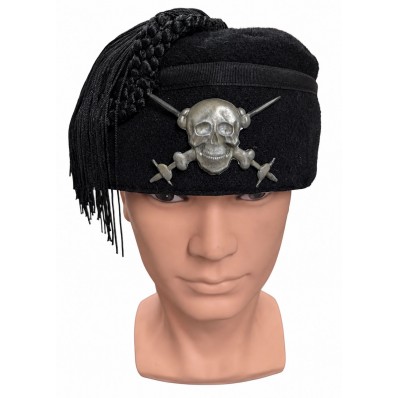
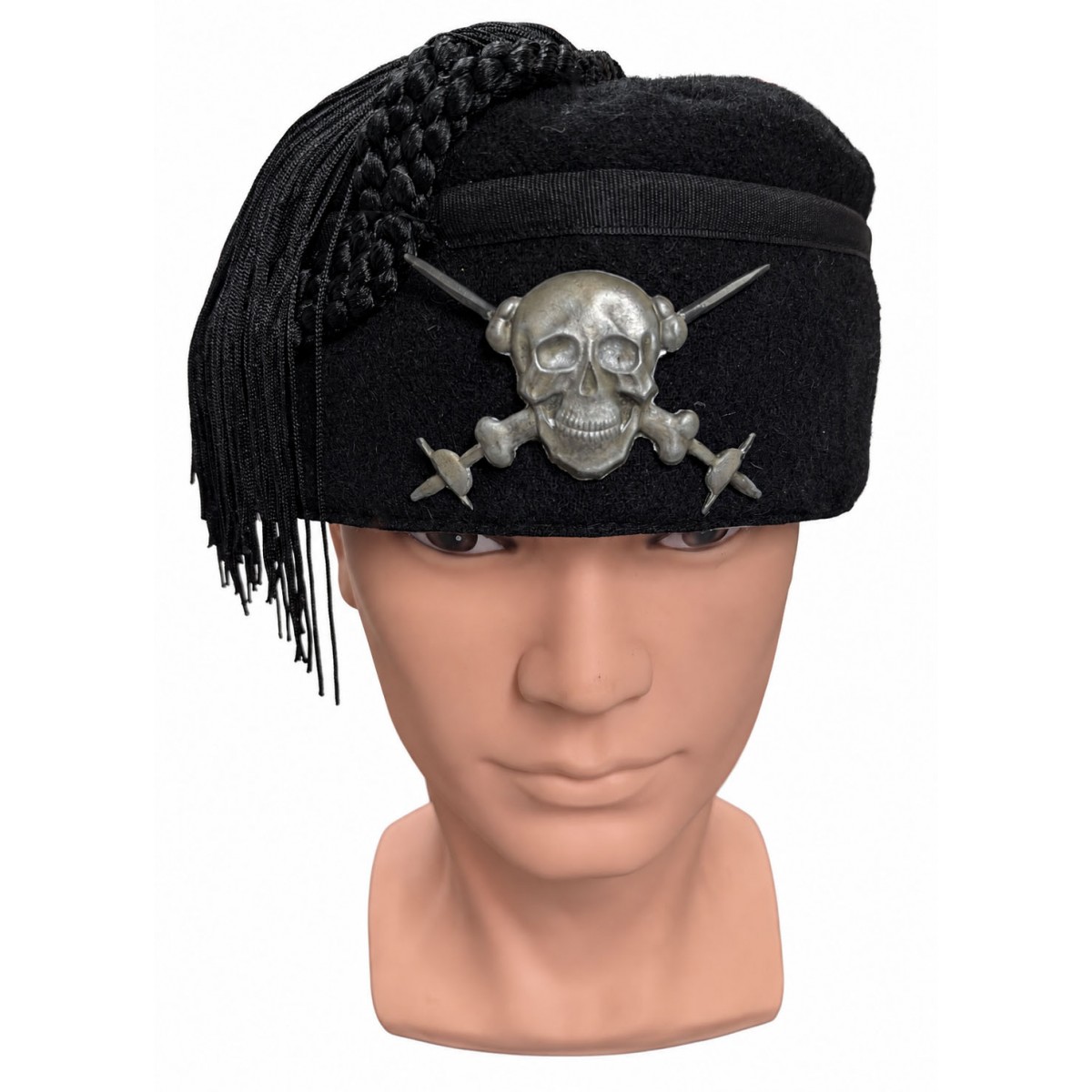
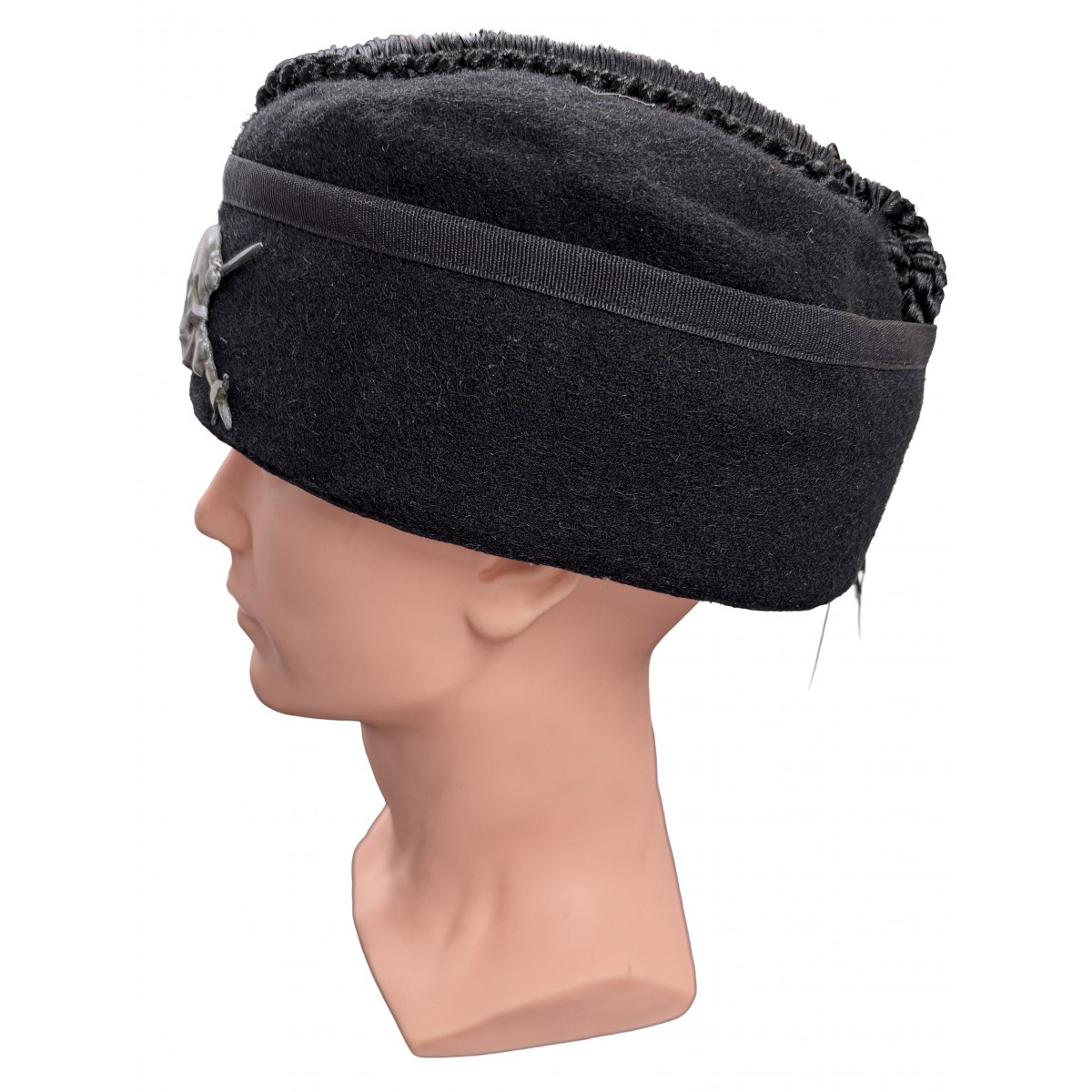
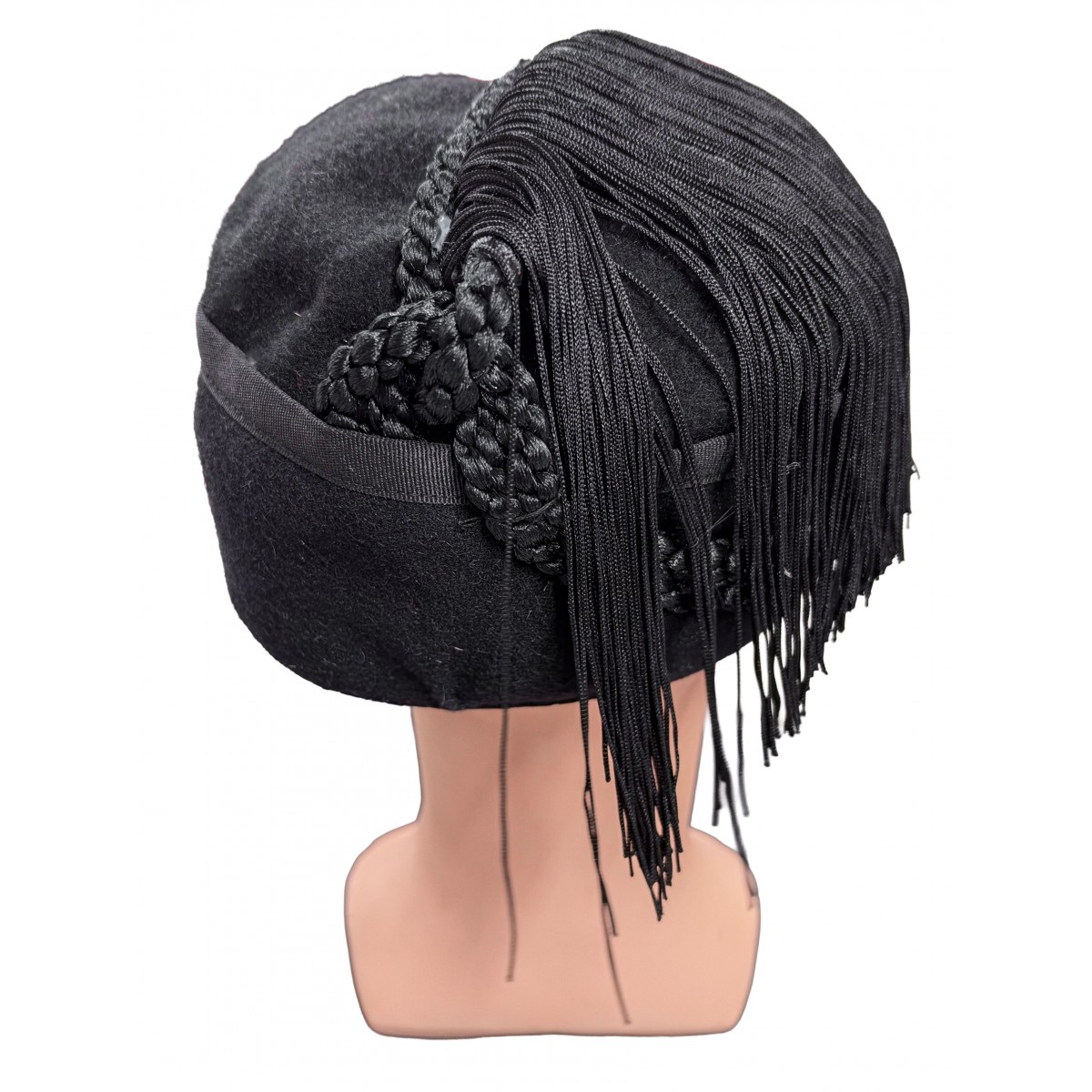
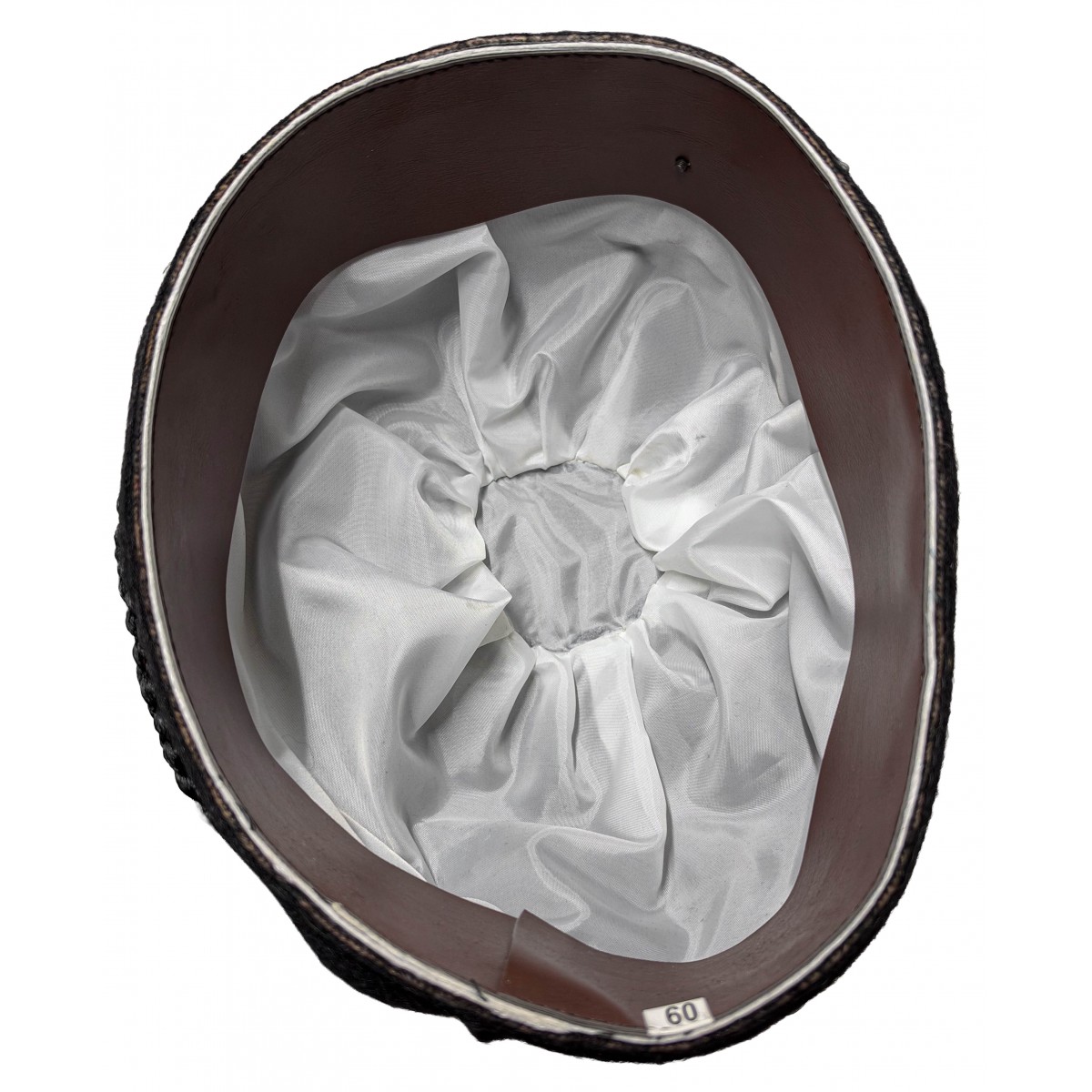
Fez of the Moschettieri del Duce
New
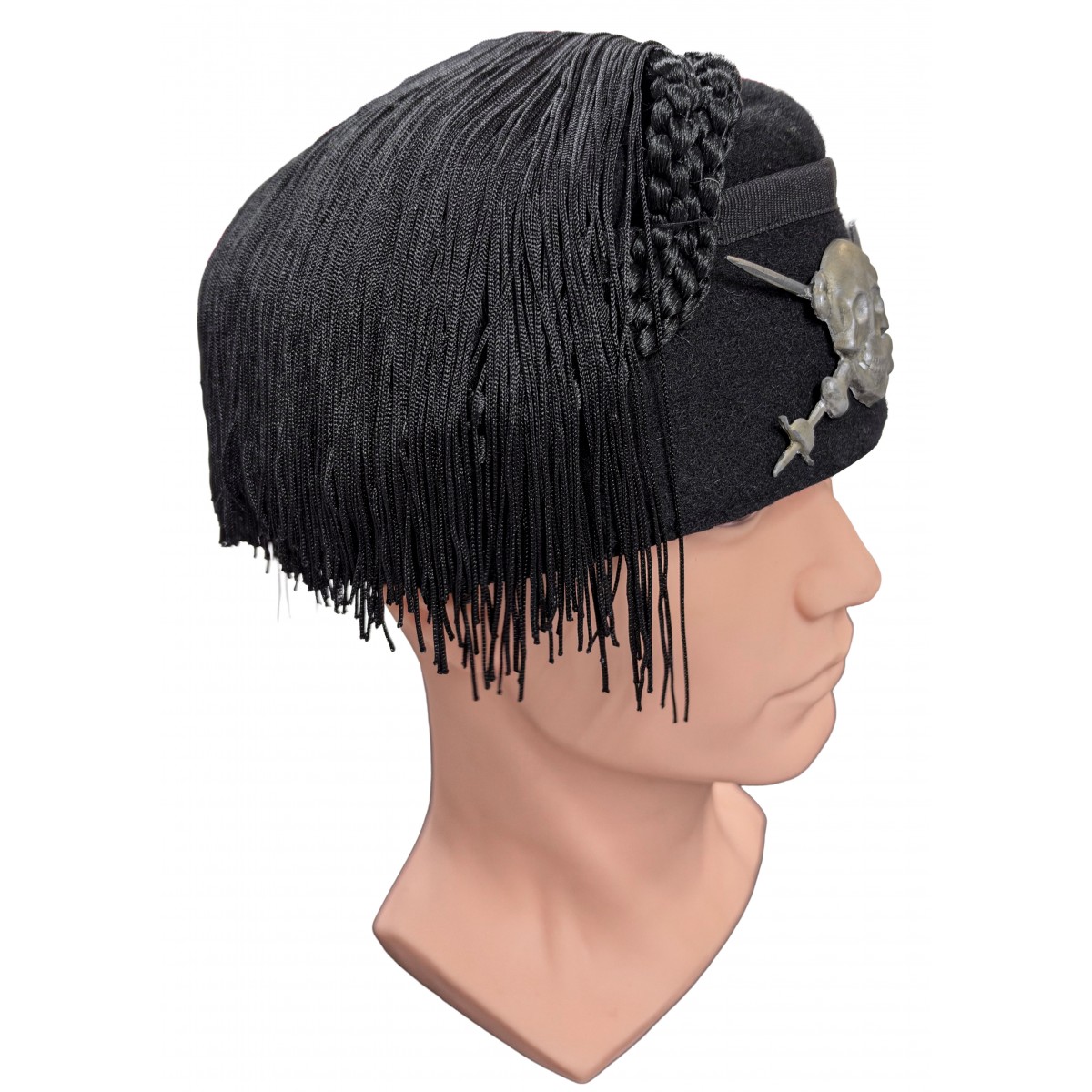
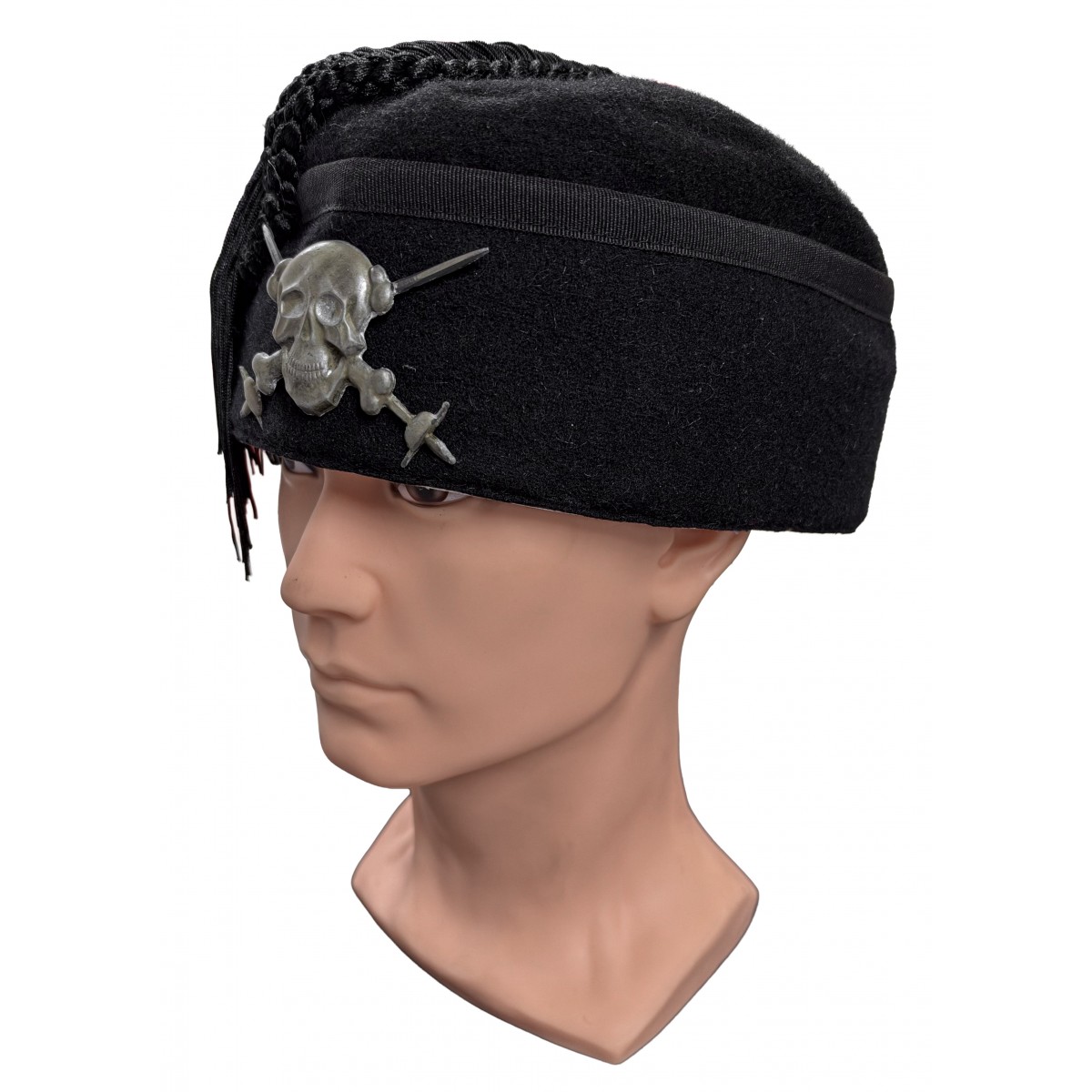
Fez worn by the Moschettieri del Duce, an elite MVSN unit established in 1923 for ceremonial, honour-guard and security duties. The rigid black headgear is distinguished by its silver-coloured skull and crossed foils emblem, elaborate black cord and long side fringe.
- Satisfied or refunded: we guarantee 100% secure protection on your purchases
- Free return: return your order free of charge within 30 days from receipt
- Secure payments: pay securely online with PayPal or credit cards

More info
The Moschettieri del Duce fez was the distinctive headgear of a selected unit of the Milizia Volontaria per la Sicurezza Nazionale, established on 11 February 1923 for ceremonial, honour-guard and specific security duties.
The Moschettieri reported directly to the MVSN General Command and maintained their headquarters at the Viale Romania barracks in Rome. Their duties included service at Palazzo Venezia, attendance during important political meetings and participation in major official ceremonies and parades.
Period uniform regulations described the fez as similar in general form to that worn by ordinary Militia officers, but rigid and manufactured from black hairy felt. Internal fittings allowed a chinstrap to be attached when required.
Its most distinctive feature was the large silver-coloured metal frontal emblem, consisting of a skull positioned above two crossed foils. This device became the principal identifying symbol of the Moschettieri and also appeared on other unit-specific insignia and personal items.
The upper part of the fez carried an elaborate black braided cord, terminating in a long black side fringe. Period examples also show a small lateral retaining arrangement used to keep the fringe correctly positioned against the headgear.
Another particularly distinctive feature was the sliding chinstrap, fitted with its own metal hardware and internal retaining system. Its construction was specific to the Moschettieri and differed from the arrangements used on superficially similar Italian military headgear, making it an important feature when distinguishing the various types.
Surviving period examples demonstrate a high standard of manufacture. Known construction includes a rigid felt body covered in black textile or silk velvet, light-coloured interior lining and leather components. High-grade original examples are also documented with frontal insignia manufactured from high-purity silver.
One of the principal makers associated with these headpieces was the Roman S.V. Presciutti hat-making firm. Surviving examples retain Presciutti – Roma markings inside, and the company is documented as an important supplier of headgear for the Moschettieri. Presciutti also manufactured caps and specialised headgear for senior MVSN personnel.
The remainder of the Moschettieri uniform was produced to similarly detailed standards. Uniforms were financed by the Segreteria del Duce, while tailoring was entrusted to firms including the Sartoria Principato of Rome. Although based on general MVSN dress, the uniform incorporated numerous unit-specific features.
The formation deliberately remained small. Beginning with only a few dozen men, it had expanded to approximately 180 personnel by 1937, organised into squads and manipoli. In 1938 its strength was temporarily increased to around 200 men for major ceremonial requirements in Rome.
Admission was highly selective. Many Moschettieri were former reserve officers, professionals, employees or managers who retained their civilian occupations and performed their duties on a rotating basis rather than serving as full-time professional personnel.
A lesser-known detail concerns the handling of their equipment: each Moschettiere normally kept his uniform and dagger at home, while the unit’s special carbines remained stored in the armoury. Some members also privately ordered higher-quality silver uniform fittings and insignia, which helps explain minor differences in material and finish between surviving examples of otherwise identical equipment.
25 other products in the same category:

Visor Caps and Hats
- Germany
- Uniforms
- Medals, Orders and Decorations
- Badges and Pins
- ID Tags
- Arm Shields
- Helmets
- Helmet Decals
- Visor Caps and Hats
- Cap and Helmet Badges
- Collar Tabs Badges
- Collar Tabs, Shoulder Boards and Epaulettes
- Arm Bands
- Division Cuff Titles
- Buckles And Belts
- Buttons For Uniforms
- Stamps
- Gorgets
- Rings
- SS Honour Ring in 925 Silver - Collector's Set
- Poletops
- Flags
- Daggers and Knives (Ornamental)
- Field Marshal Batons
- Field and Personal Equipment
- Service Watches
- Presentation Cases
- Documents and Award Letters
- Busts, Eagles, Lighters and Miscellaneous
- Croatian and Ustasha Militaria
- Denazified Articles
- Commemorative Necklaces
- Spare Parts, Small Parts and Accessories
- Italy
- Medals and Decorations
- Brevets And Badges
- Battle Shields and Tags
- Gorgets
- Visor Caps and Hats
- Cap and Helmet Badges
- Helmets Decals
- Friezes for Collar Tabs
- Collar Tabs, Shoulder Boards and Epaulettes
- Buckles
- Belts
- Buttons For Uniforms
- Rings
- Poletops
- Italian Resistance
- Keyrings
- Wallshields
- Daggers and Knives
- Flags
- Busts and Eagles
- Souvenirs
- Commemorative Necklaces
- Imperial Germany
- Soviet Union
- Other Countries