
No products
Product successfully added to your shopping cart
There are 0 items in your cart. There is 1 item in your cart.
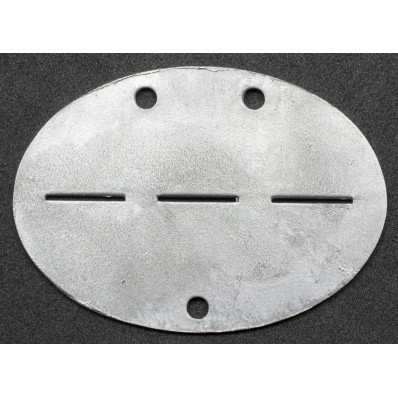
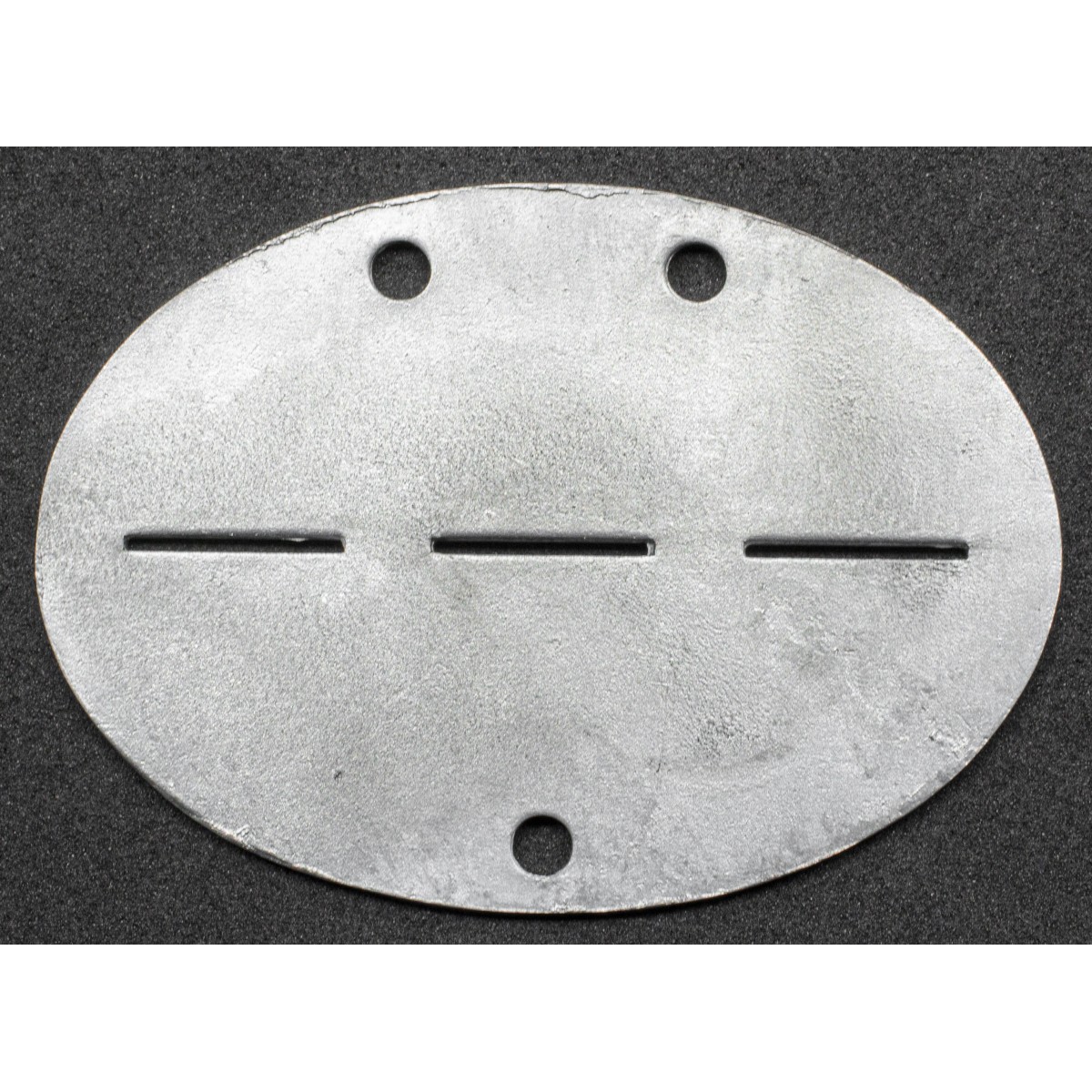
Standard German WWII identification tag
New
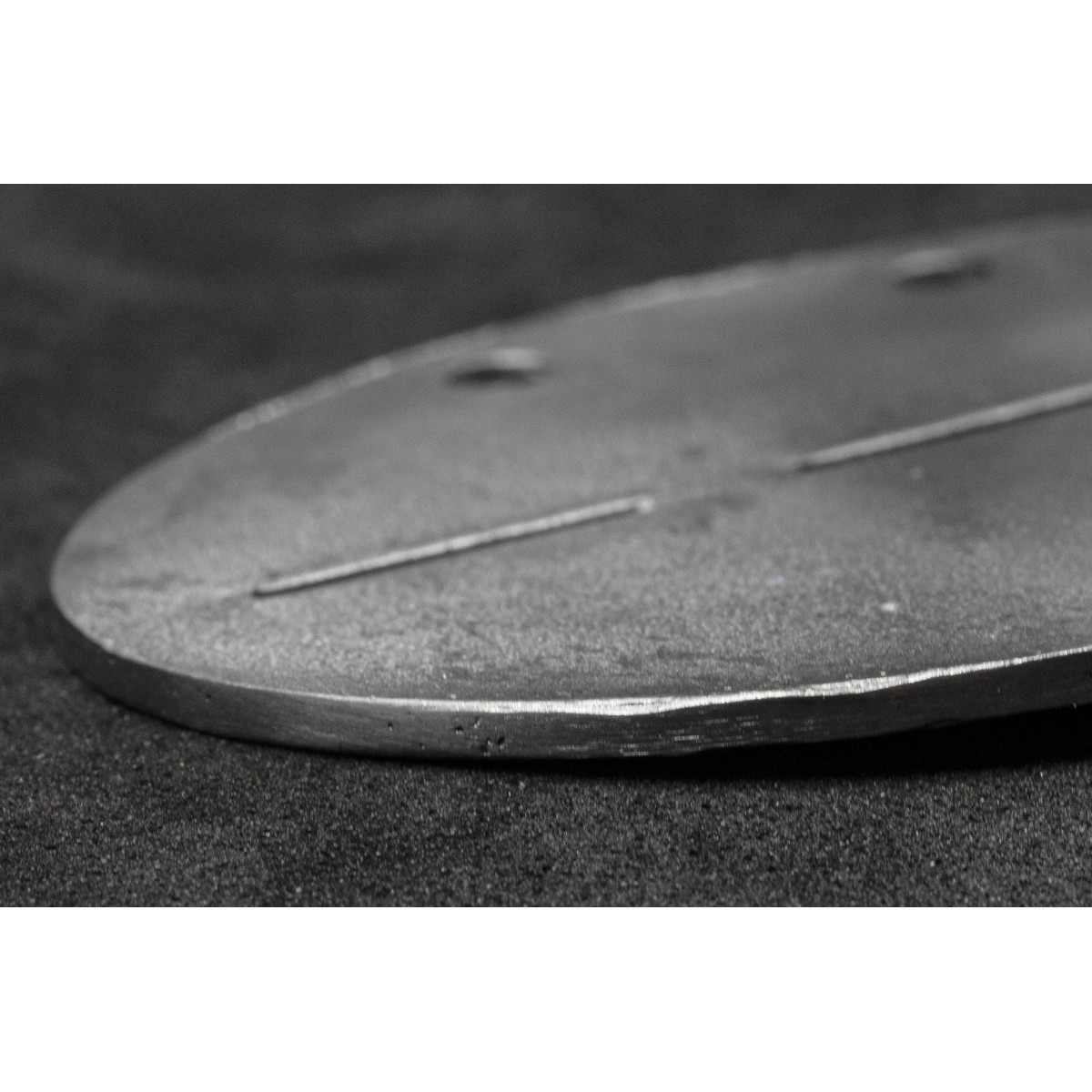
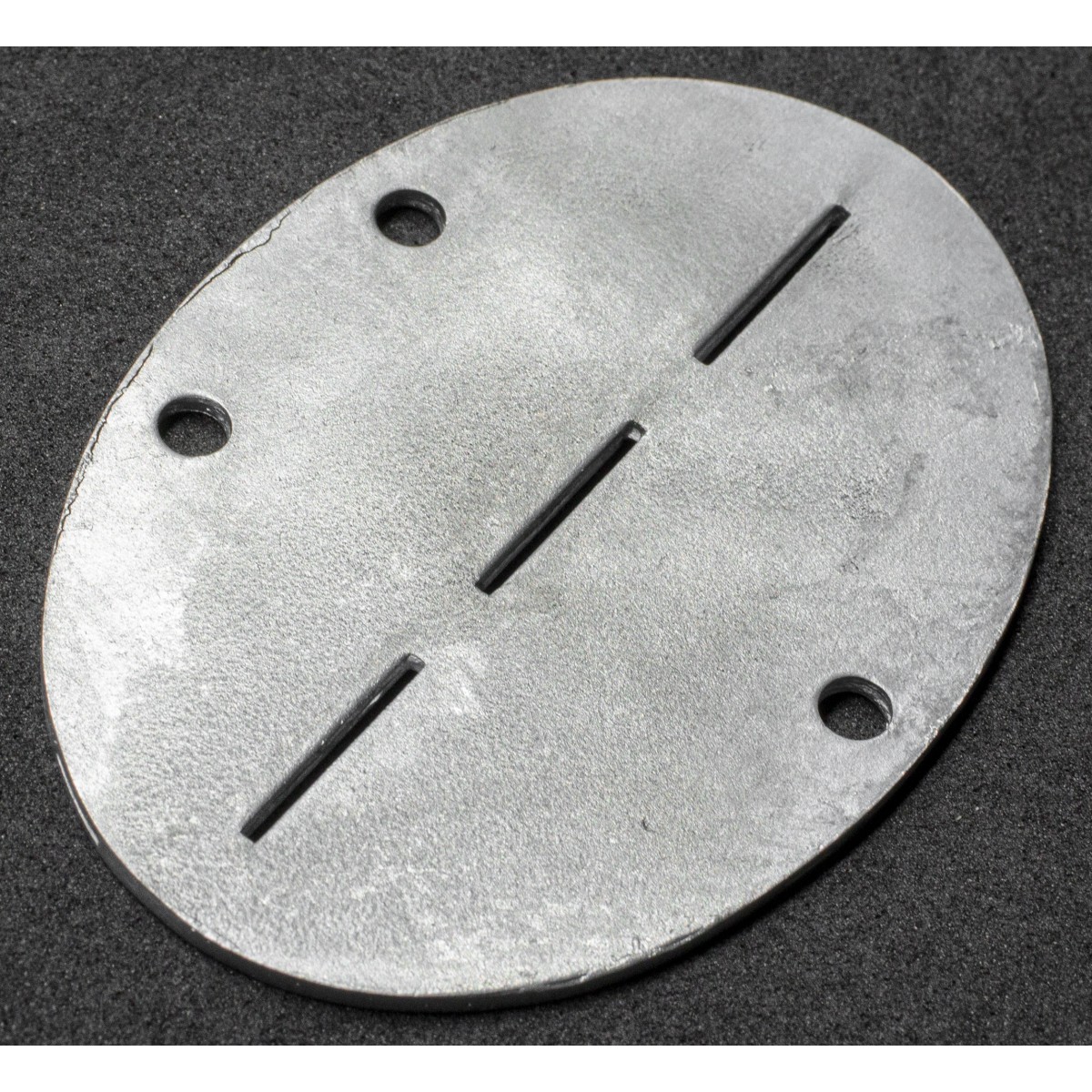
Standard German WWII identification tag in aluminum, made in the classic oval form with two upper holes, one lower hole and three central slots. Intended for the engraved service details of the soldier, it was designed to be split into two matching halves when required by military identification procedures.
- Satisfied or refunded: we guarantee 100% secure protection on your purchases
- Free return: return your order free of charge within 30 days from receipt
- Secure payments: pay securely online with PayPal or credit cards

More info
Standard German identification tag of the Second World War, in the well-known oval pattern used by the armed forces of the Reich for the personal identification of servicemen. This type, commonly produced in aluminum or other light alloy versions, features the typical layout with two holes at the top, one hole at the bottom, and three slots across the center. These details were not merely visual characteristics but part of the functional design of the tag itself. The surface was intended to be engraved with the soldier’s essential identification data, usually including a roll number, unit designation, replacement unit, or other official abbreviations required for military administration. The form of the tag was specifically conceived so that it could be broken into two corresponding halves, allowing one part to remain with the body while the other could be used for reporting and record-keeping according to wartime procedures. This object belongs to the category of Erkennungsmarken, one of the most characteristic elements of German personal field equipment of the period. Historically, it followed the soldier throughout his service, from training to active deployment, and served not only for identification but also as an important bureaucratic tool within the structure of the German military system. The markings found on these tags can vary considerably depending on date, branch, and issuing depot, making them especially valuable today for the study of wartime organization and personnel administration. Curiosity: in many cases, the engraved unit did not indicate the soldier’s final frontline formation, but rather the replacement or training unit that originally issued the tag.
Data sheet
| Lenght | 69.20 mm |
| Width | 48.70 mm |
| Thickness | 2 mm |
| Weight | 28.80 gr |
| Material | Zamak |
11 other products in the same category:

Customers who bought this product also bought:
ID Tags
- Germany
- Uniforms
- Medals, Orders and Decorations
- Badges and Pins
- ID Tags
- Arm Shields
- Helmets
- Helmet Decals
- Visor Caps and Hats
- Cap and Helmet Badges
- Collar Tabs Badges
- Collar Tabs, Shoulder Boards and Epaulettes
- Arm Bands
- Division Cuff Titles
- Buckles And Belts
- Buttons For Uniforms
- Stamps
- Gorgets
- Rings
- SS Honour Ring in 925 Silver - Collector's Set
- Poletops
- Flags
- Daggers and Knives (Ornamental)
- Field Marshal Batons
- Field and Personal Equipment
- Service Watches
- Presentation Cases
- Documents and Award Letters
- Busts, Eagles, Lighters and Miscellaneous
- Croatian and Ustasha Militaria
- Denazified Articles
- Commemorative Necklaces
- Spare Parts, Small Parts and Accessories
- Italy
- Medals and Decorations
- Brevets And Badges
- Battle Shields and Tags
- Gorgets
- Visor Caps and Hats
- Cap and Helmet Badges
- Helmets Decals
- Friezes for Collar Tabs
- Collar Tabs, Shoulder Boards and Epaulettes
- Buckles
- Belts
- Buttons For Uniforms
- Rings
- Poletops
- Italian Resistance
- Keyrings
- Wallshields
- Daggers and Knives
- Flags
- Busts and Eagles
- Souvenirs
- Commemorative Necklaces
- Imperial Germany
- Soviet Union
- Other Countries