
No products
Product successfully added to your shopping cart
There are 0 items in your cart. There is 1 item in your cart.
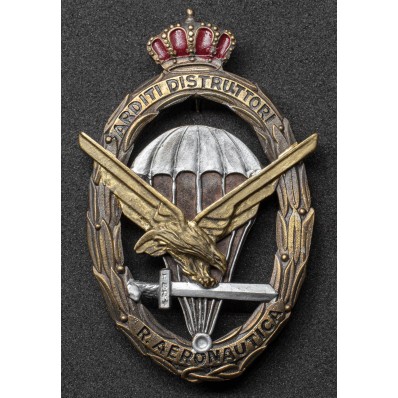
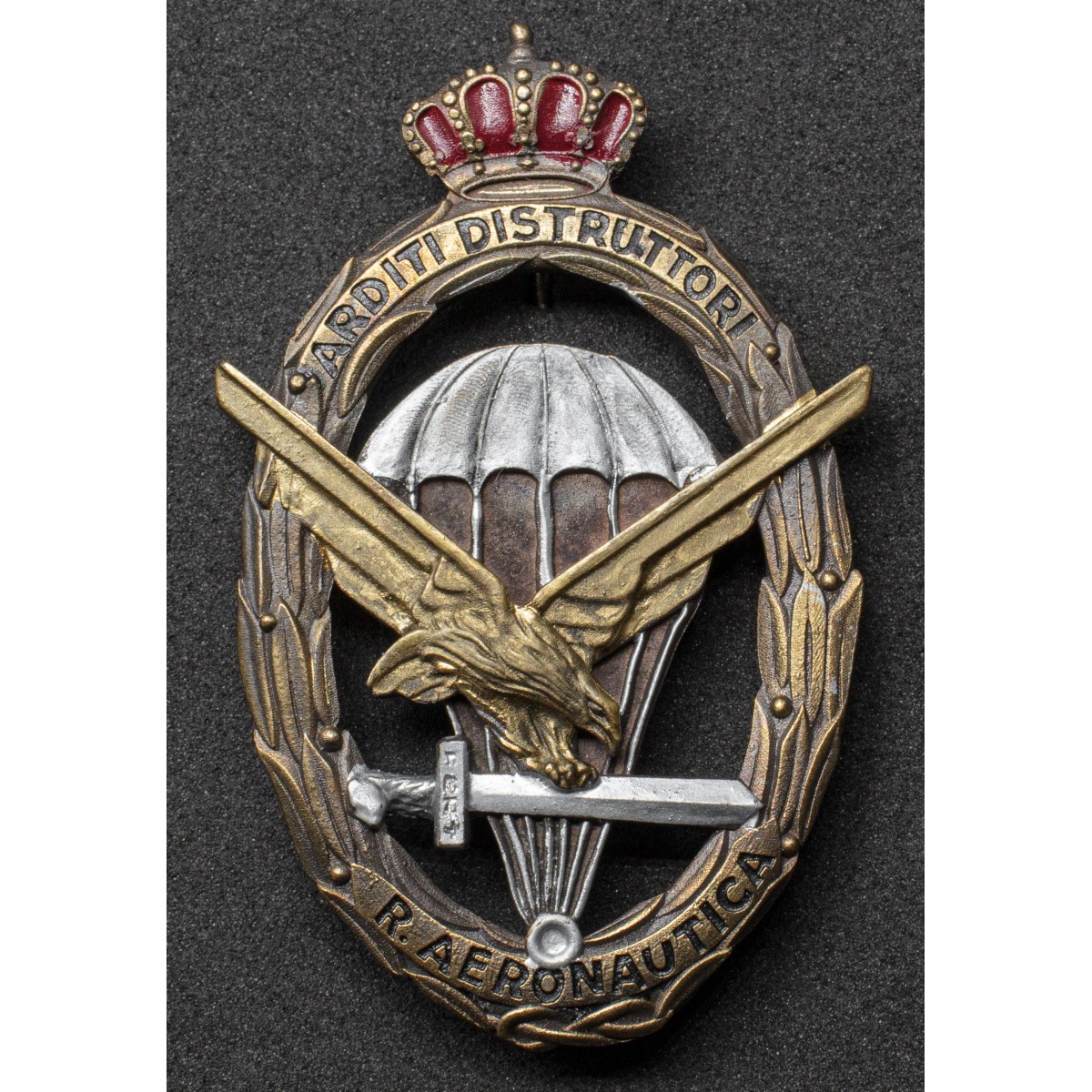
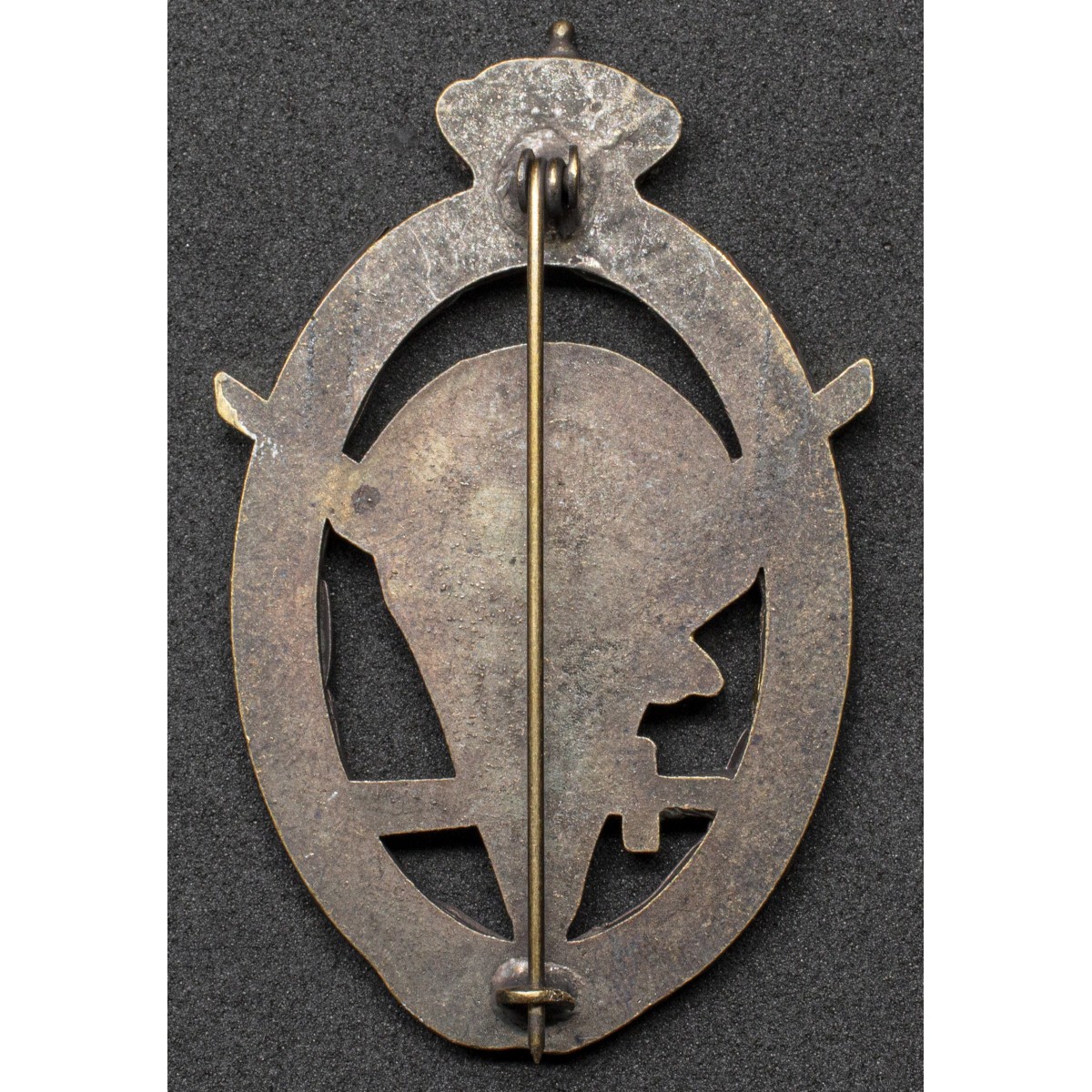
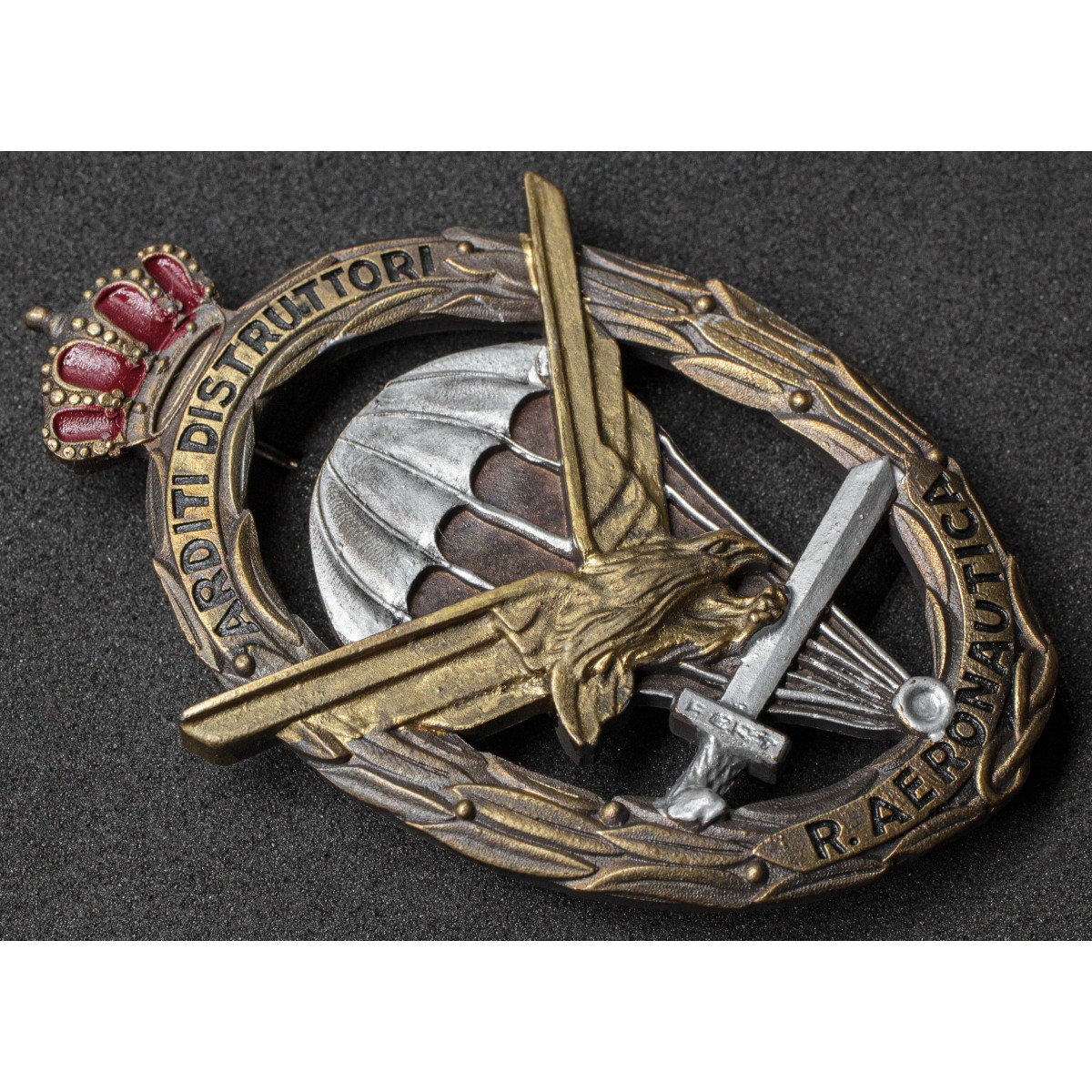
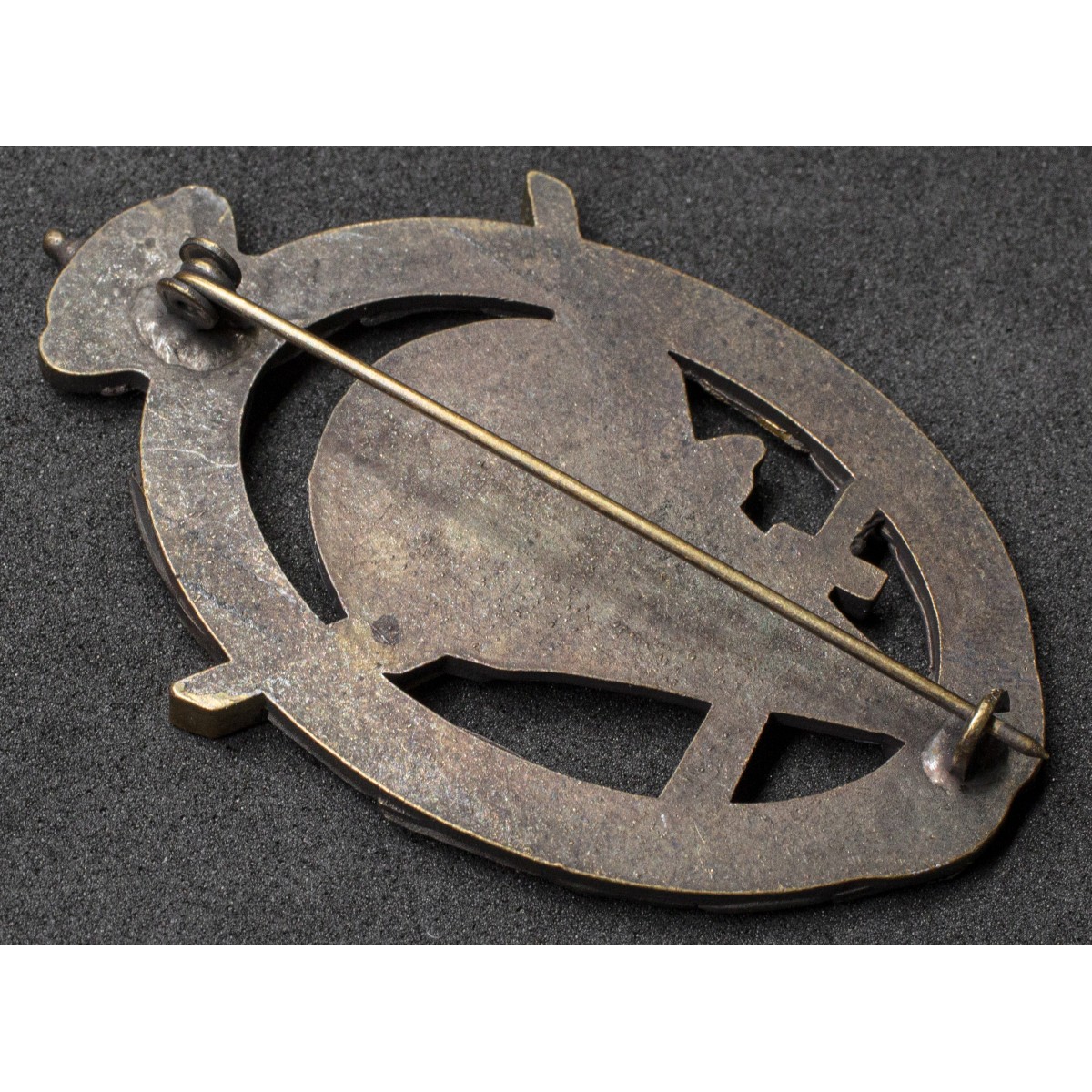
Arditi Distruttori della Regia Aeronautica (ADRA) Badge
New
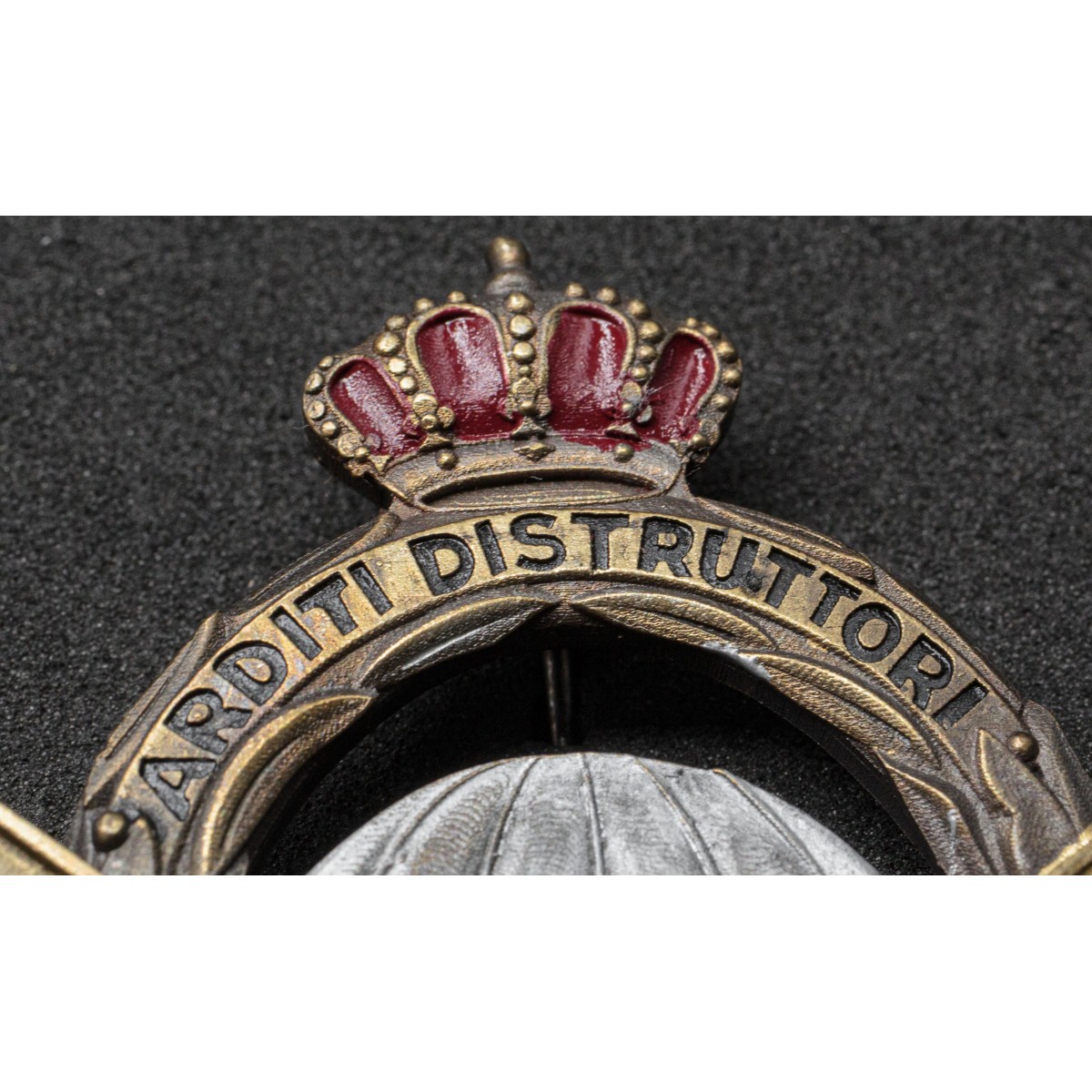
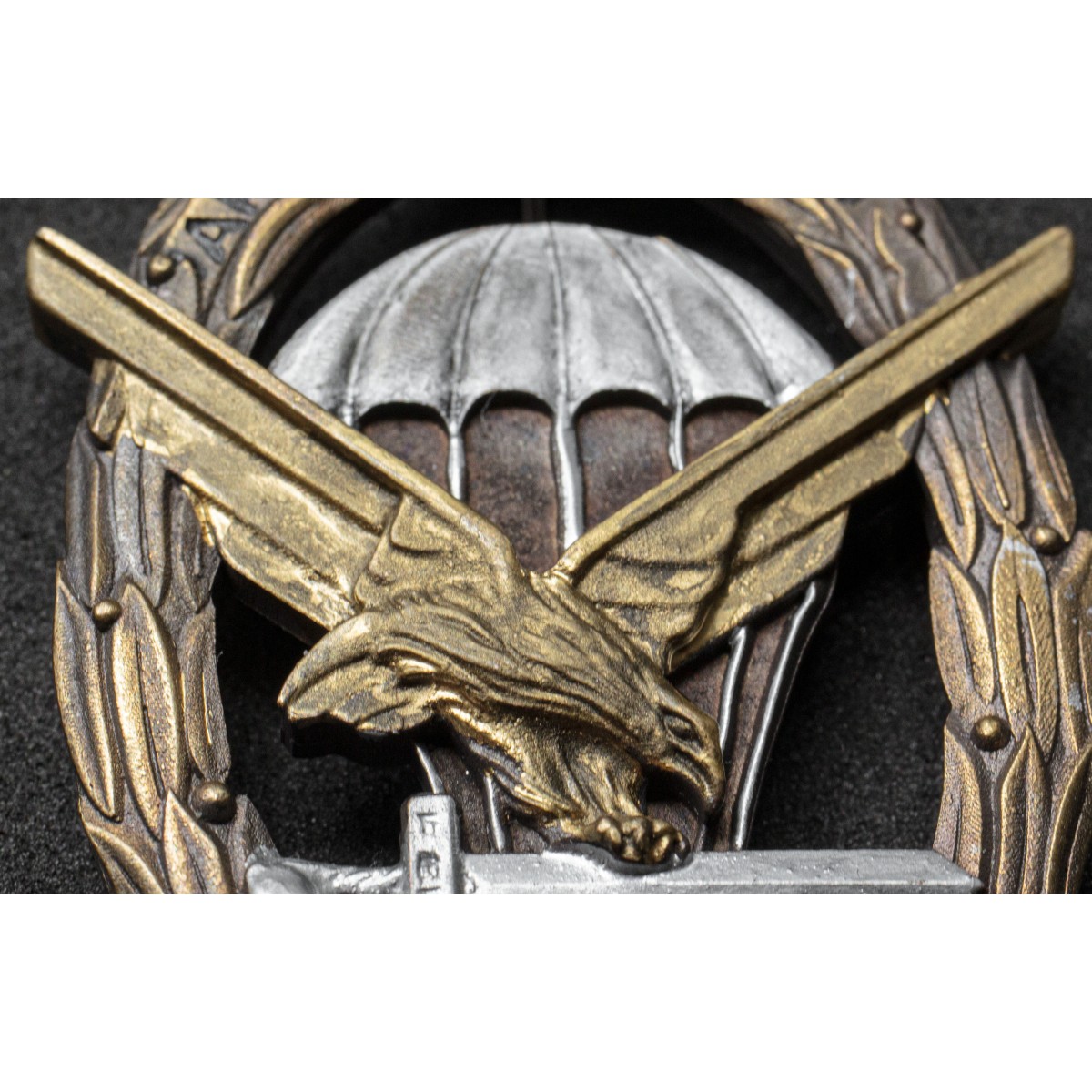
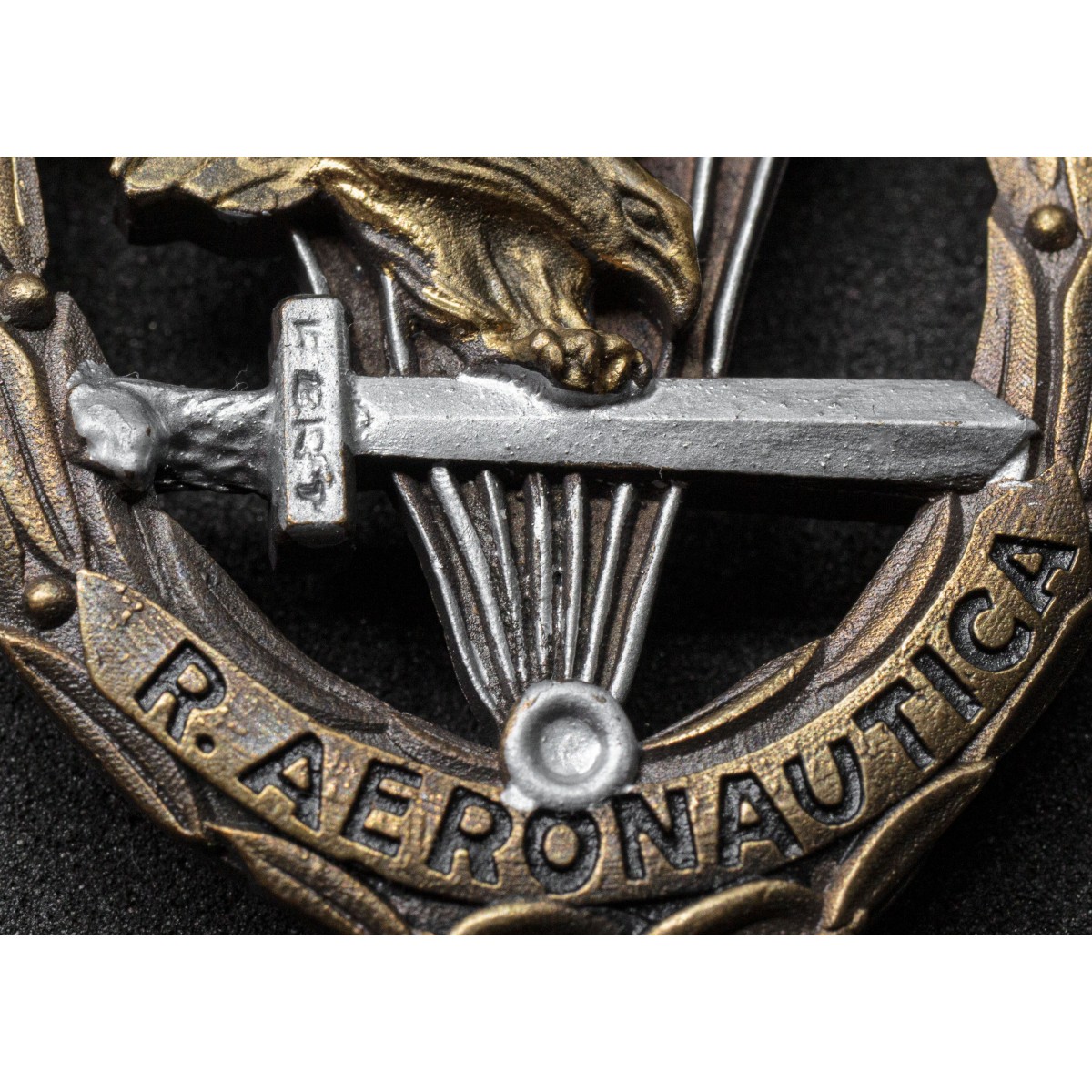
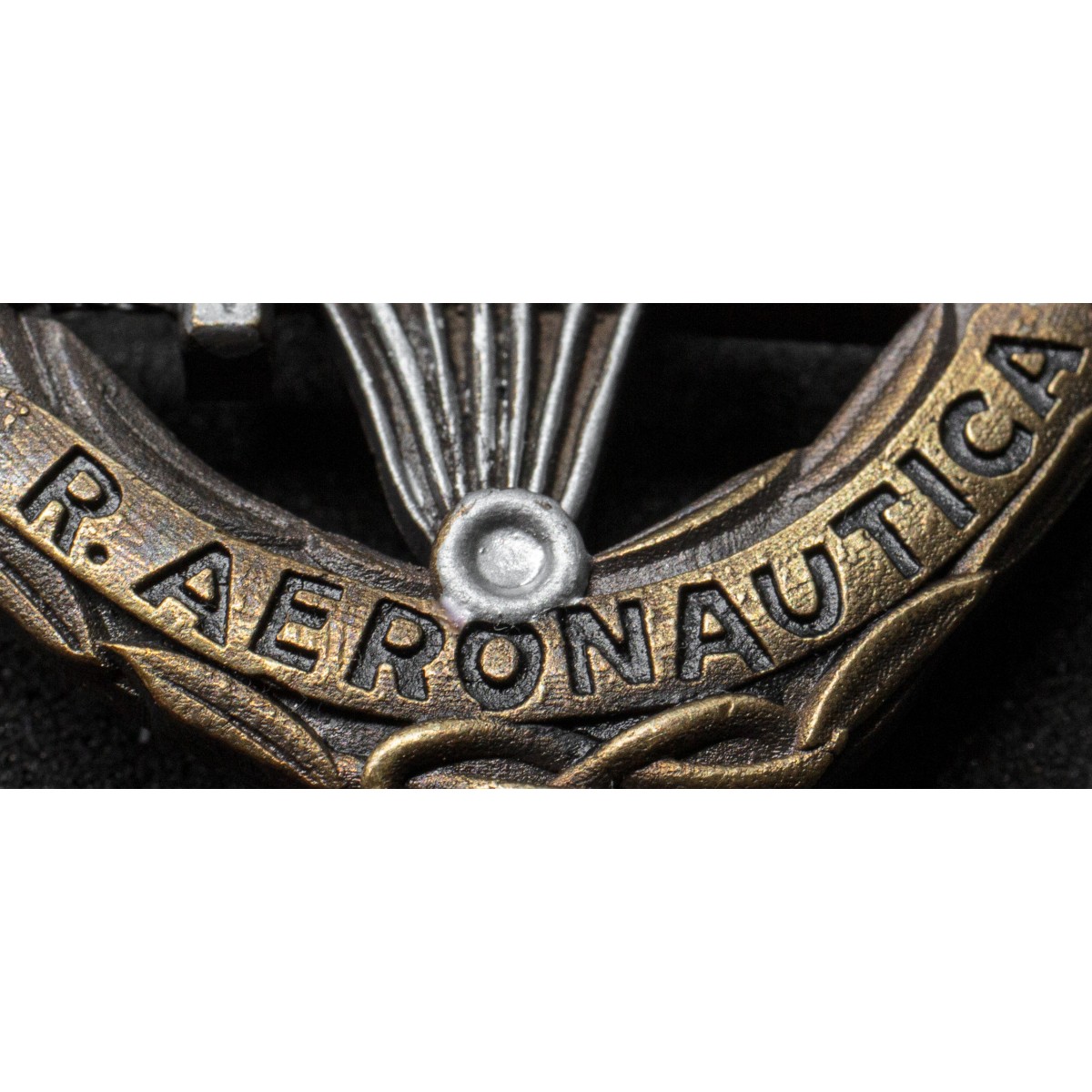
Breast badge of the Arditi Distruttori della Regia Aeronautica, a special operations unit formed in 1942. The Royal Crown, parachute, eagle, gladius and wreath combine the traditions of the Italian Arditi with airborne warfare and service in the Royal Italian Air Force.
- Satisfied or refunded: we guarantee 100% secure protection on your purchases
- Free return: return your order free of charge within 30 days from receipt
- Secure payments: pay securely online with PayPal or credit cards

More info
The Arditi Distruttori della Regia Aeronautica badge, associated with the unit universally known by the acronym ADRA, is one of the rarest and most significant insignia connected with Italian special operations forces of the Second World War.
The ADRA Battalion was established by the Royal Italian Air Force on 28 July 1942 specifically to conduct sabotage missions against enemy air power and strategic installations. Its personnel were trained to reach targets by air, land or sea and to operate in small autonomous teams against aircraft, fuel and ammunition depots, airfields and other aviation infrastructure.
Much of their training took place at the Tarquinia Parachute School, where airborne instruction was combined with explosives, demolition, individual combat and survival behind enemy lines.
Initially incorporated into the 1st Air Assault Regiment “Amedeo d’Aosta”, the Battalion became independent in April 1943 and was placed directly under the Royal Air Force General Staff for special operations. By the beginning of the summer of 1943 it numbered slightly more than three hundred men.
It was precisely during the early summer of 1943 that the distinctive oval ADRA breast badge was designed. Although the normal formal approval process was never completed, the insignia was adopted and worn by the Battalion. Its extremely short period of use accounts for the exceptional rarity of surviving period examples.
The upper section is surmounted by the Royal Crown, identifying the badge with the Kingdom of Italy and the Regia Aeronautica. The oval frame bears the inscriptions “ARDITI DISTRUTTORI” and “R. AERONAUTICA” within an elaborate wreath.
At the centre is an open parachute, immediately identifying the airborne component of the unit. Superimposed over it is a large eagle with outstretched wings, representing the Royal Italian Air Force.
Across the lower centre lies a silver-coloured Roman gladius, an important link with the Italian assault troops of the First World War. The guard carries the Savoy motto FERT, already used on the traditional Arditi insignia adopted in 1917. Its presence therefore establishes a deliberate visual continuity between the original assault troops and the Air Force saboteurs of 1942–43.
The complete design brings together the three defining identities of the unit: the Ardito, represented by the gladius; the paratrooper, represented by the parachute; and the airman, represented by the eagle.
The Battalion’s best-known operational employment came in June 1943, during a large-scale attempt to sabotage Allied airfields across North Africa.
The most famous episode took place at Benghazi-Benina airfield, where 1st Airman Vito Procida and Airman Francesco Cargnel, separated from the remainder of their patrol, continued towards their assigned objective. After several days behind enemy lines they infiltrated the airfield and placed explosive charges on aircraft. Sources differ on the exact number of machines destroyed or damaged, but the raid remains the best-known operational success associated with ADRA.
Further ADRA teams were dropped into Allied-occupied Sicily in July 1943 to carry out additional sabotage missions, with several men successfully completing their task and returning to Italian lines.
The armistice of 8 September 1943 brought the Battalion’s short existence to an abrupt end.
Its heritage, however, survived. The modern Italian Air Force officially regards the ADRA as the historical precursor of its special operations forces, and the present-day 17th Raider Wing explicitly preserves this lineage.
A particularly little-known feature concerns the badge itself: it was created only in the summer of 1943 and entered use without waiting for final administrative approval. Its actual service life therefore amounted to only a few months, making it an exceptionally concentrated expression of the history of a unit whose operational existence was itself extremely brief.
Data sheet
| Lenght | 64.90 mm |
| Width | 41.35 mm |
| Thickness | 4.23 mm |
| Weight | 24.7 gr |
| Material | Zamak, Brass, Varnishes |
30 other products in the same category:

Brevets And Badges
- Germany
- Uniforms
- Medals, Orders and Decorations
- Badges and Pins
- ID Tags
- Arm Shields
- Helmets
- Helmet Decals
- Visor Caps and Hats
- Cap and Helmet Badges
- Collar Tabs Badges
- Collar Tabs, Shoulder Boards and Epaulettes
- Arm Bands
- Division Cuff Titles
- Buckles And Belts
- Buttons For Uniforms
- Stamps
- Gorgets
- Rings
- SS Honour Ring in 925 Silver - Collector's Set
- Poletops
- Flags
- Daggers and Knives (Ornamental)
- Field Marshal Batons
- Field and Personal Equipment
- Service Watches
- Presentation Cases
- Documents and Award Letters
- Busts, Eagles, Lighters and Miscellaneous
- Croatian and Ustasha Militaria
- Denazified Articles
- Commemorative Necklaces
- Spare Parts, Small Parts and Accessories
- Italy
- Medals and Decorations
- Brevets And Badges
- Battle Shields and Tags
- Gorgets
- Visor Caps and Hats
- Cap and Helmet Badges
- Helmets Decals
- Friezes for Collar Tabs
- Collar Tabs, Shoulder Boards and Epaulettes
- Buckles
- Belts
- Buttons For Uniforms
- Rings
- Poletops
- Italian Resistance
- Keyrings
- Wallshields
- Daggers and Knives
- Flags
- Busts and Eagles
- Souvenirs
- Commemorative Necklaces
- Imperial Germany
- Soviet Union
- Other Countries