
No products
Product successfully added to your shopping cart
There are 0 items in your cart. There is 1 item in your cart.
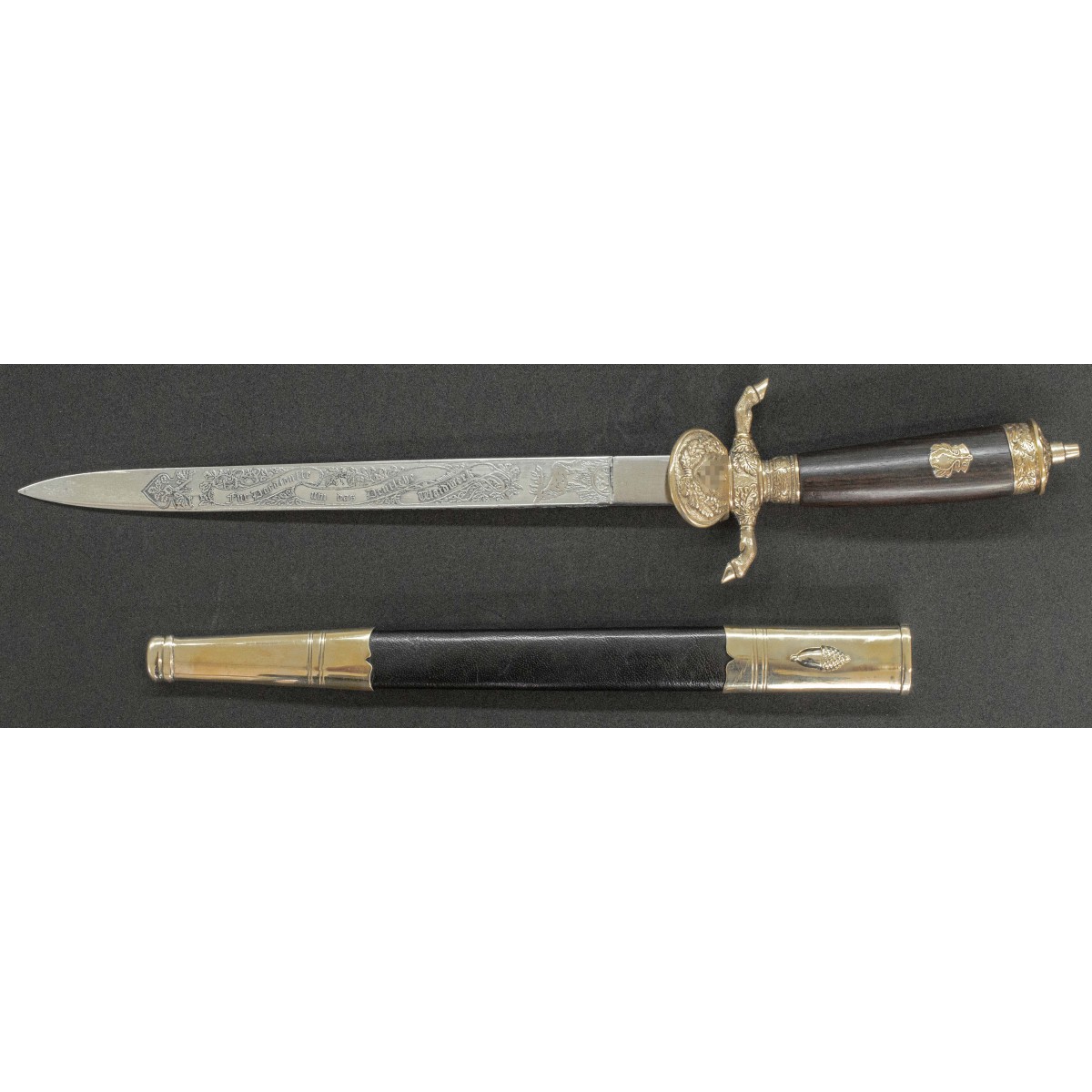
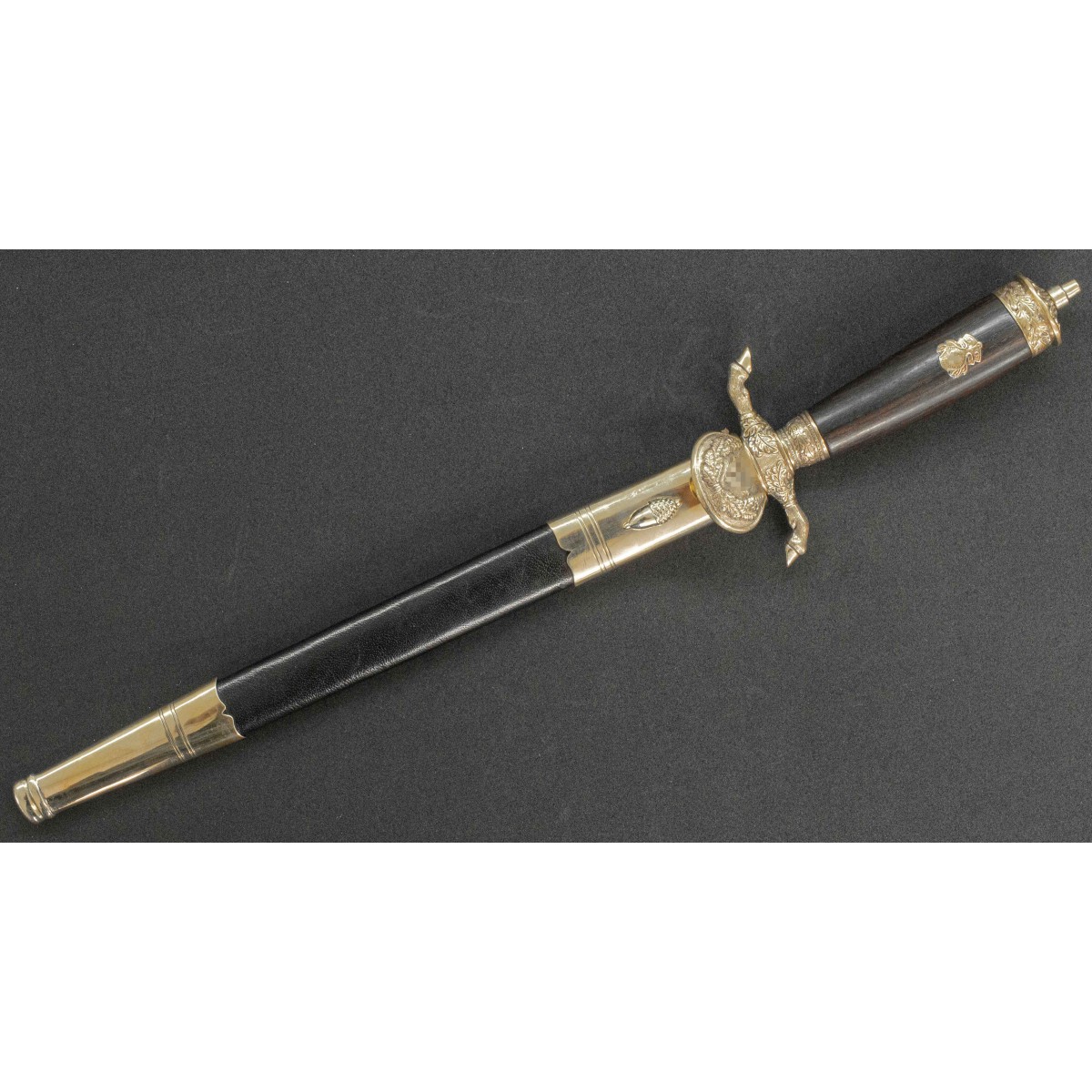
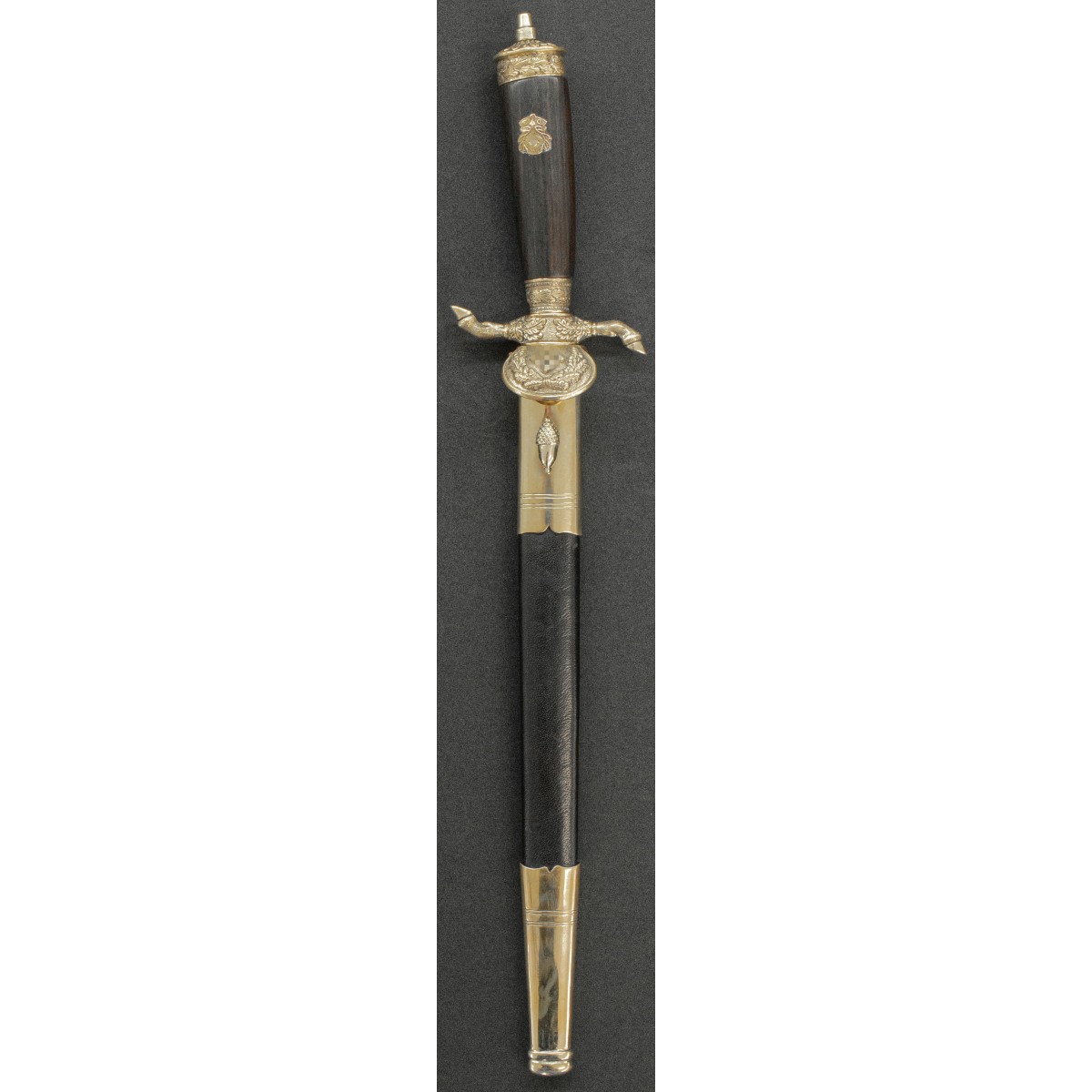
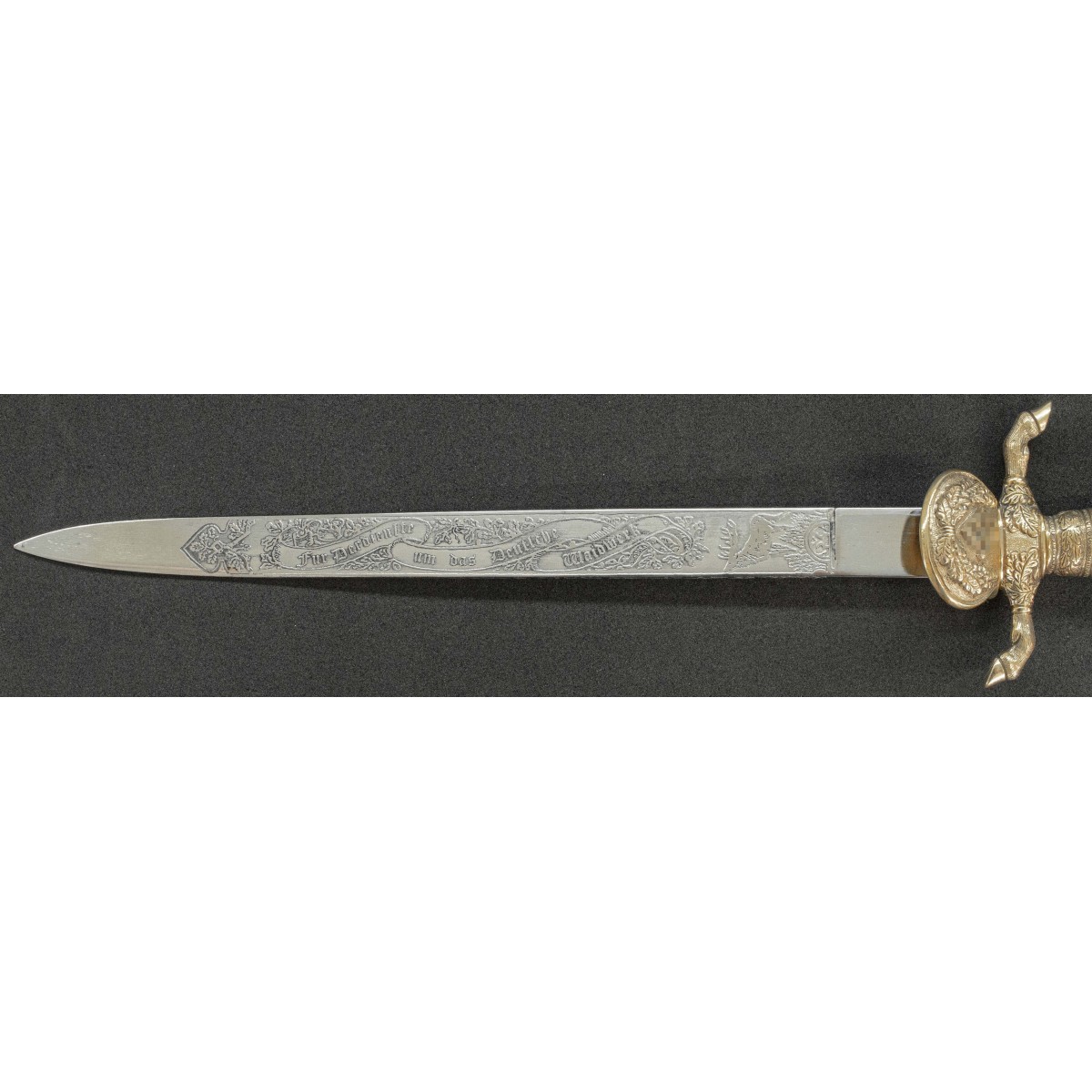
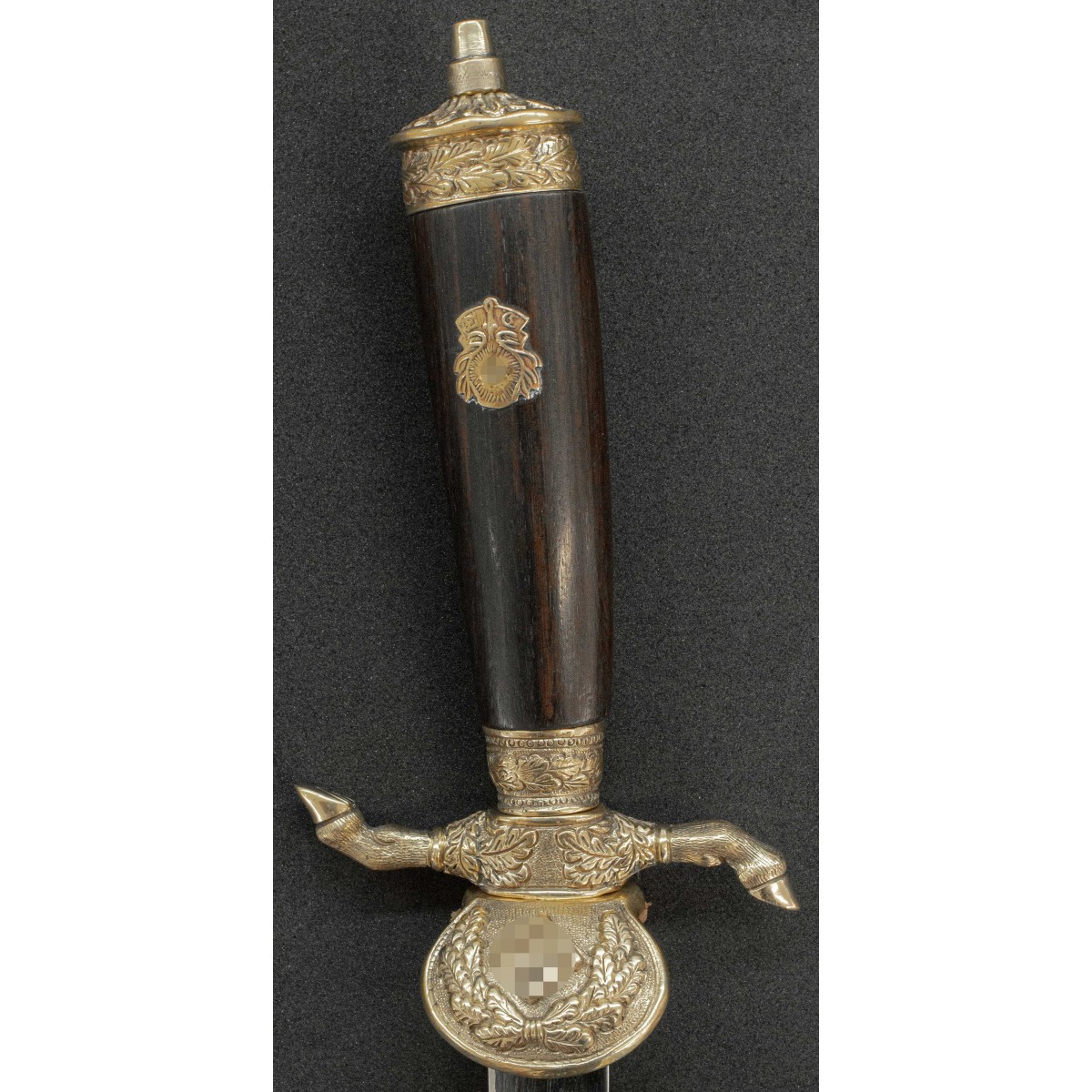
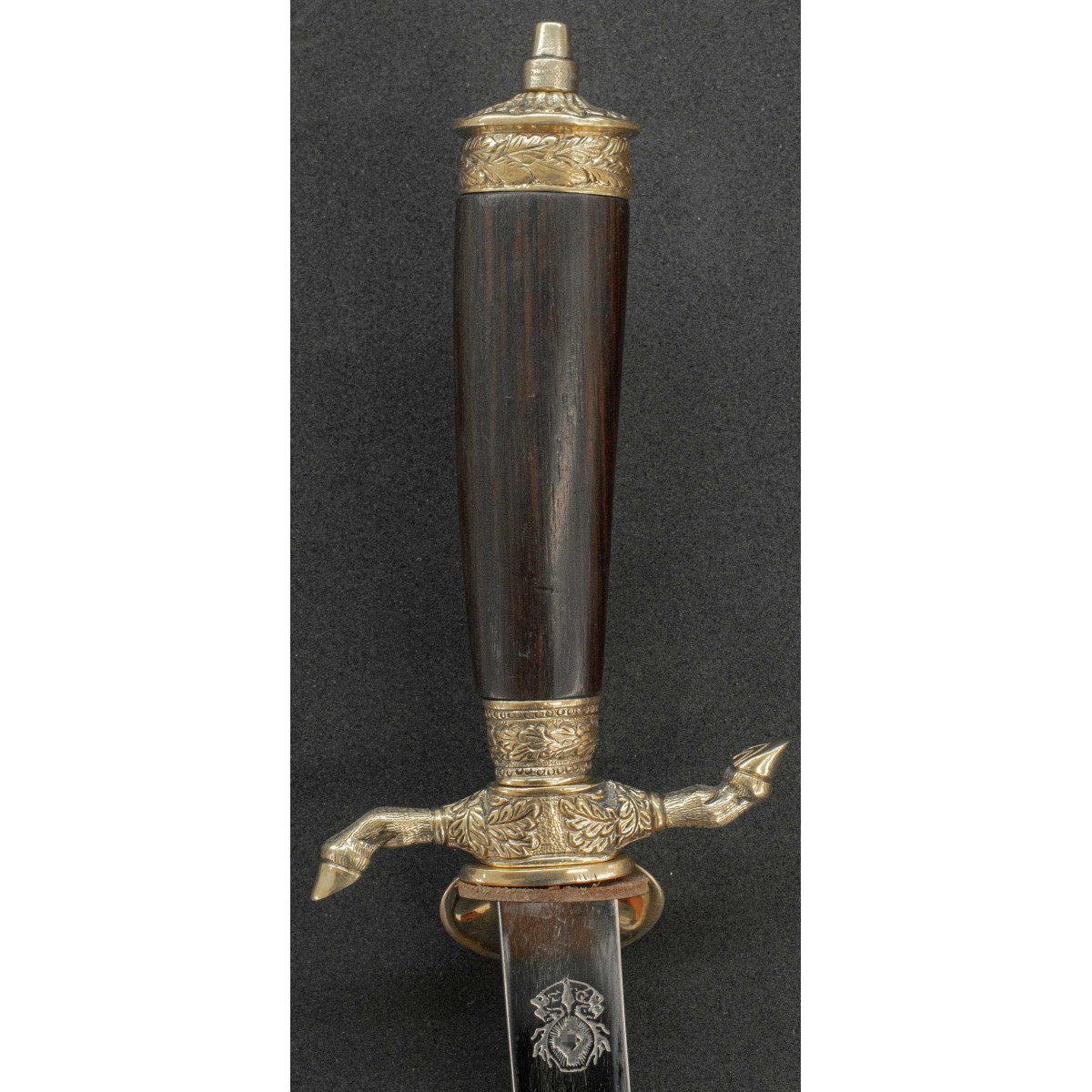
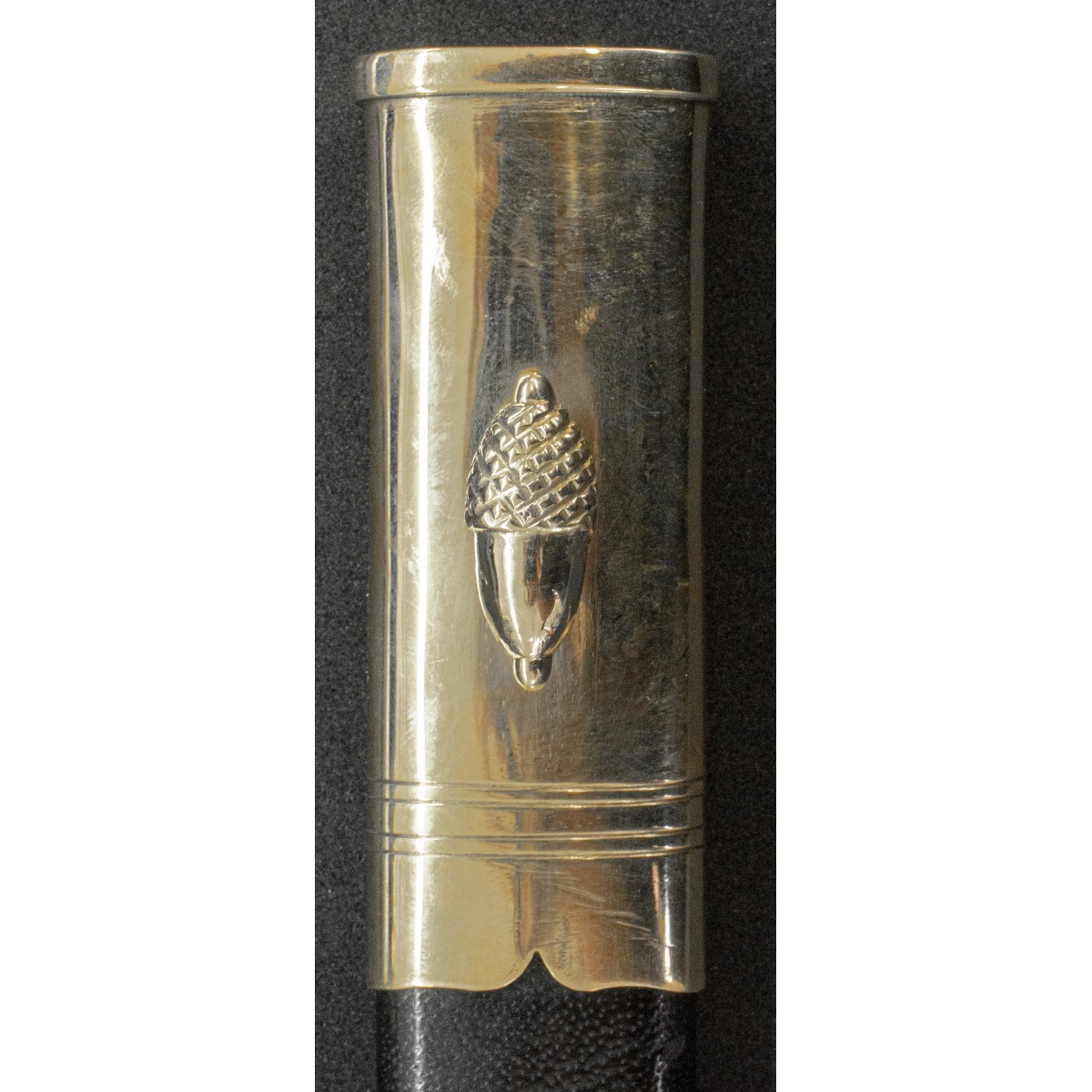
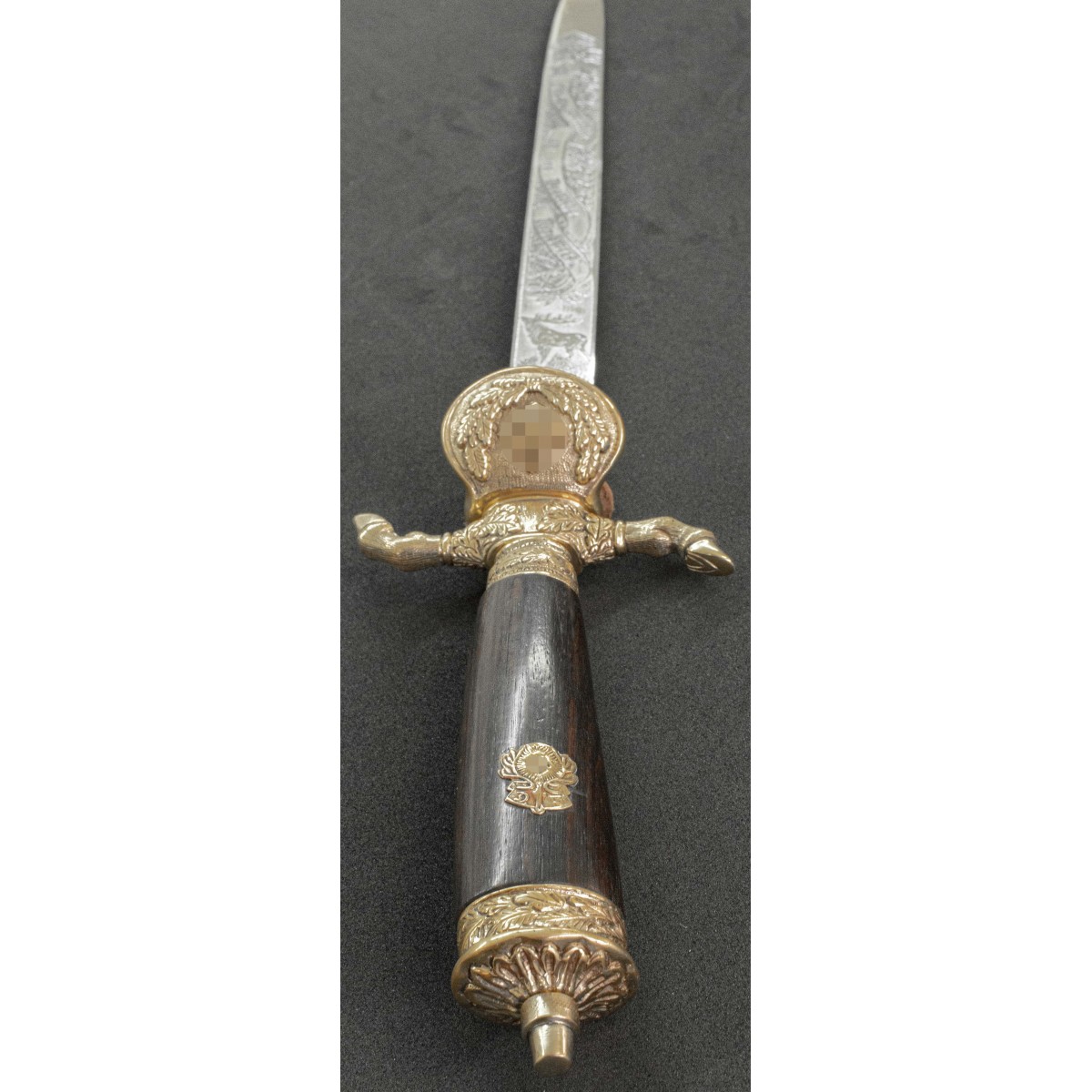
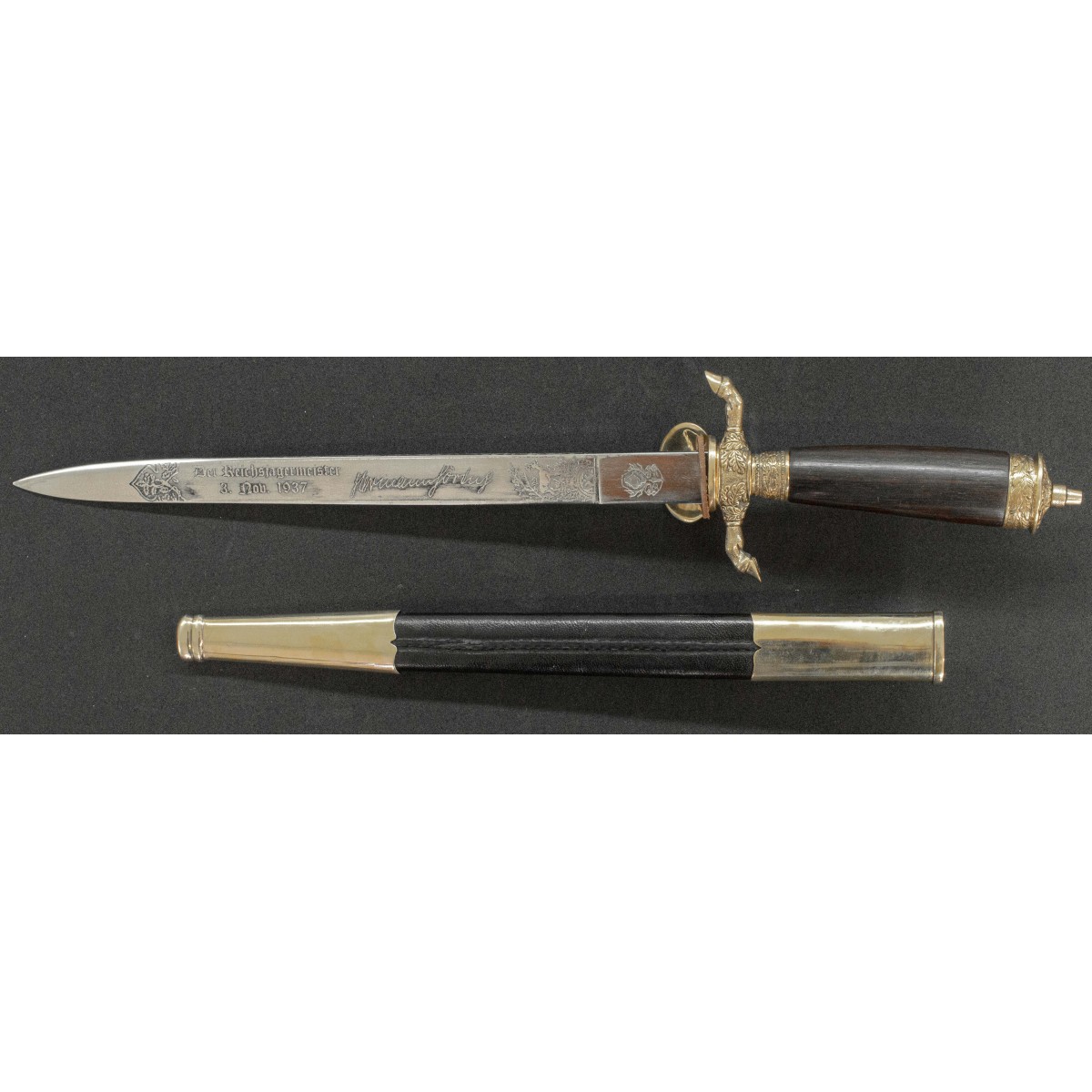
Honour dagger of the Deutsches Waidwerk
New
Honour dagger of the Deutsches Waidwerk, inspired by German hunting tradition and the Hirschfänger hunting cutlass. Linked to the world of the Deutsche Jägerschaft, it combined ceremonial function, forest symbolism and motifs such as stag, oak leaves and hunting culture.
Product temporarily out of stock.
- Satisfied or refunded: we guarantee 100% secure protection on your purchases
- Free return: return your order free of charge within 30 days from receipt
- Secure payments: pay securely online with PayPal or credit cards

More info
Honour dagger of the Deutsches Waidwerk, a ceremonial edged weapon inspired by the German tradition of the Hirschfänger, the hunting dagger or cutlass historically associated with the chase and with dispatching game. During the Third Reich period, hunting in Germany was organised through the Deutsche Jägerschaft, a statutory corporation with mandatory membership for holders of hunting licences. Sources describe it as an organisation with authority over hunting matters and its own system of honorary courts.
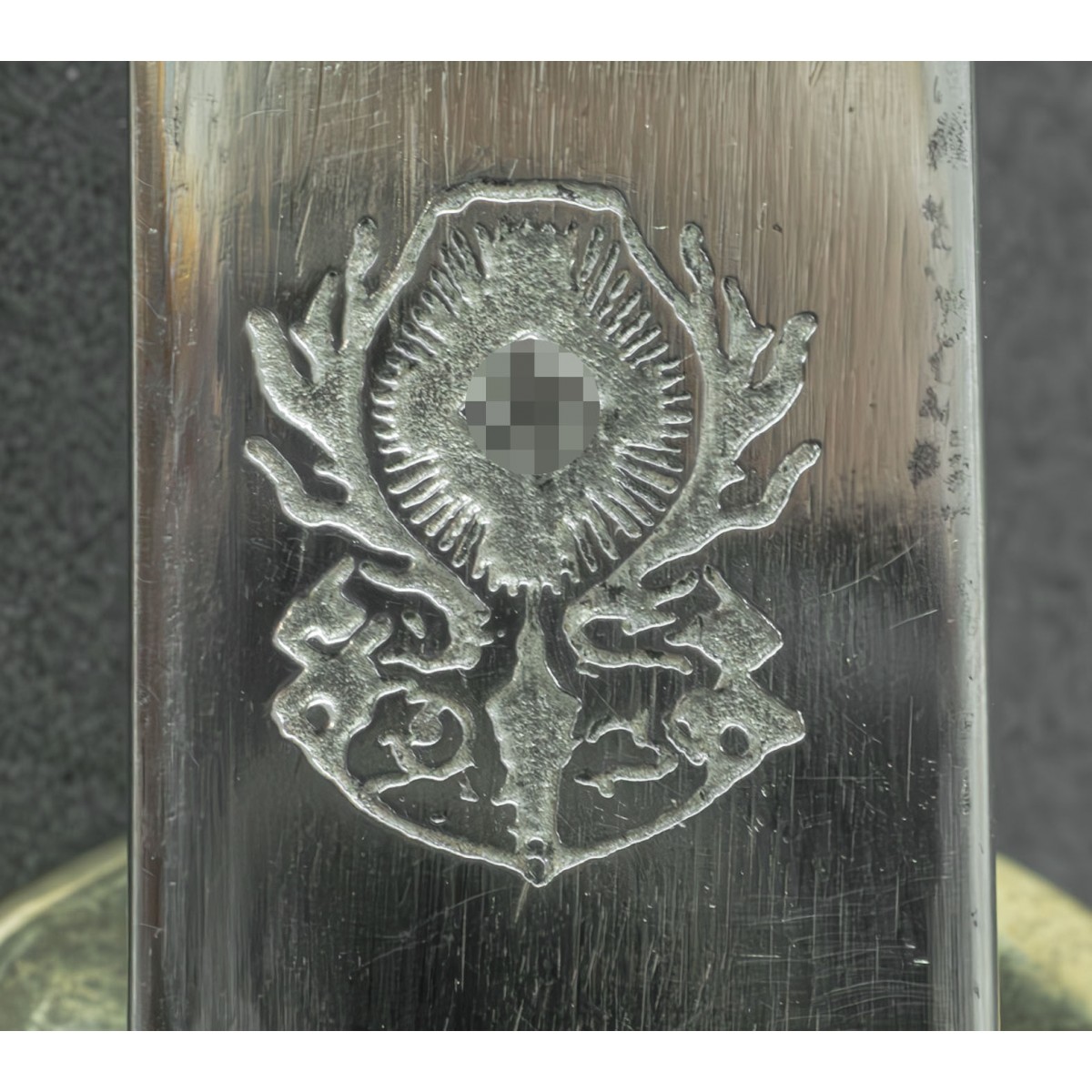
This type of dagger belongs to the field of ceremonial hunting weapons, rather than to military or party service daggers such as those of the SA, SS, NPEA or Army. Its visual language is clearly venatorial: the stag, the forest, oak leaves, game animals and the traditions of the German hunter are central themes. Hunting daggers and cutlasses of the period often used long blades, decorated fittings, light or horn-like grips, shell guards, ornamental crossguards and refined scabbards. High-grade German hunting pieces could also carry marks or symbols associated with the Reichsbund Deutsche Jägerschaft, together with decorative blade etching or presentation inscriptions.
The term “Deutsches Waidwerk” refers to more than the practical act of hunting. “Waidwerk” evokes the rules, rituals, vocabulary, discipline and cultural identity of the hunter. For this reason, an honour dagger of this type should be understood not simply as a weapon, but as a presentation and identity object, expressing hunting status, ceremonial belonging and the formal culture of German venery.
Historically, the interest of the piece lies in the meeting point between older hunting tradition and modern institutional organisation. In the 1930s, many civil, professional and sporting bodies in Germany were brought under state or party supervision. Specialist collecting sources note that both the Deutsche Jägerschaft and the Reichsforstdienst came under the supervision of the NSDAP system, with Hermann Göring at the head of the hunting and forestry sphere.
Collector’s note: on German hunting edged weapons, the stag was not merely decorative. It represented the regulated, ceremonial world of the hunt. This is why Hirschfänger and hunting honour daggers often display stags, oak leaves, acorns, hunting dogs or woodland scenes, turning the weapon into a marker of status and cultural belonging.
Data sheet
| Width | Blade width at the handle: 2.2 cm |
| Lenght | Total length: 52.5 cm Scabbard length: 35.5 cm Handle length: 16.5 cm Blade length: 32 cm |
| Thickness | Blade thickness at the handle: 0.5 cm |
| Weight | Weight with scabbard: 0.6 kg Weight without scabbard: 0.45 kg |
| Material | Blade: 1060 high carbon steel Handle: brass, wooden scales Scabbard: genuine leather with brass fittings |
| Disclaimer | Ornamental display item with no sharp edge, offensive point or cutting/piercing function. Not a weapon or object suitable for offence; sold in compliance with D.Lgs. 54/2011 and Directive 2009/48/EC, where applicable. |
30 other products in the same category:

Daggers and Knives (Ornamental)
- Germany
- Uniforms
- Medals, Orders and Decorations
- Badges and Pins
- ID Tags
- Arm Shields
- Helmets
- Helmet Decals
- Visor Caps and Hats
- Cap and Helmet Badges
- Collar Tabs Badges
- Collar Tabs, Shoulder Boards and Epaulettes
- Arm Bands
- Division Cuff Titles
- Buckles And Belts
- Buttons For Uniforms
- Stamps
- Gorgets
- Rings
- SS Honour Ring in 925 Silver - Collector's Set
- Poletops
- Flags
- Daggers and Knives (Ornamental)
- Field Marshal Batons
- Field and Personal Equipment
- Service Watches
- Presentation Cases
- Documents and Award Letters
- Busts, Eagles, Lighters and Miscellaneous
- Croatian and Ustasha Militaria
- Denazified Articles
- Commemorative Necklaces
- Spare Parts, Small Parts and Accessories
- Italy
- Medals and Decorations
- Brevets And Badges
- Battle Shields and Tags
- Gorgets
- Visor Caps and Hats
- Cap and Helmet Badges
- Helmets Decals
- Friezes for Collar Tabs
- Collar Tabs, Shoulder Boards and Epaulettes
- Buckles
- Belts
- Buttons For Uniforms
- Rings
- Poletops
- Italian Resistance
- Keyrings
- Wallshields
- Daggers and Knives
- Flags
- Busts and Eagles
- Souvenirs
- Commemorative Necklaces
- Imperial Germany
- Soviet Union
- Other Countries