
No products
Product successfully added to your shopping cart
There are 0 items in your cart. There is 1 item in your cart.
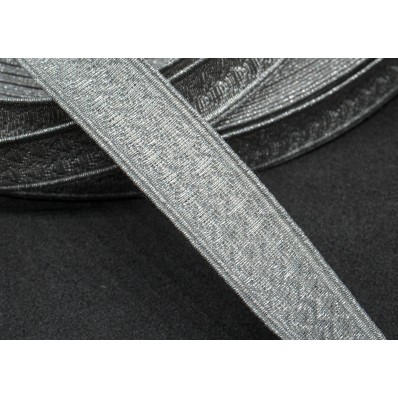
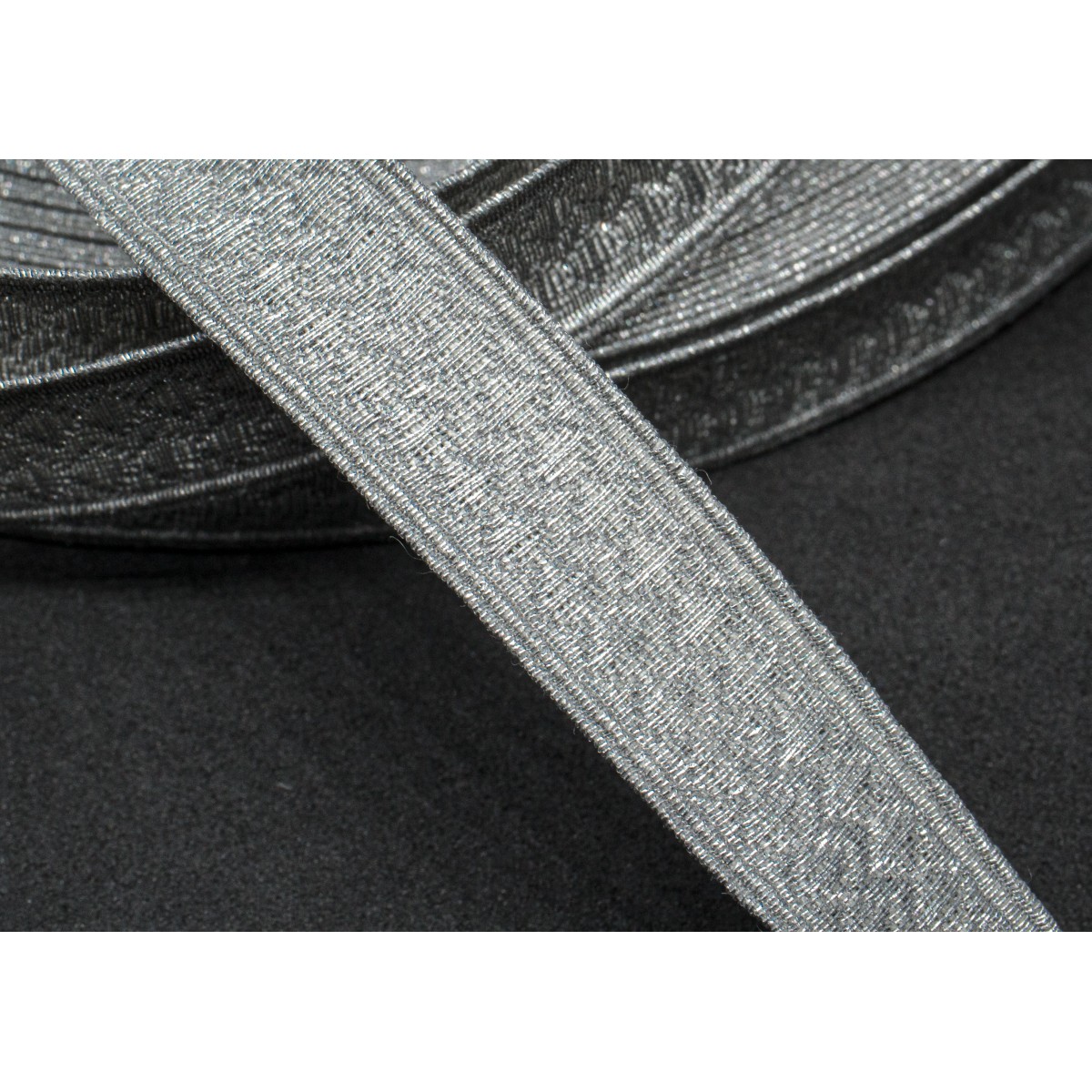
NVA Silver NCO Tresse - 15 mm
New
15 mm silver NVA tresse for East German uniform insignia, particularly the sleeve rings worn by the Hauptfeldwebel or “Spieß”. Sold by the metre: 1 unit equals 1 metre. Multiple units are supplied as one continuous length (2 units = 2 metres, 3 units = 3 metres, etc.).
- Satisfied or refunded: we guarantee 100% secure protection on your purchases
- Free return: return your order free of charge within 30 days from receipt
- Secure payments: pay securely online with PayPal or credit cards

More info
The silver tresse of the Nationale Volksarmee (NVA) belongs to the uniform and rank-insignia system of the German Democratic Republic (East Germany) and therefore dates from the post-World War II period.
The Nationale Volksarmee was established in 1956 as the armed forces of East Germany and remained in existence until German reunification in 1990.
The new army developed its own uniform and insignia system while retaining several elements of earlier German military traditions, including the use of silver tresse to distinguish certain non-commissioned officer grades and duty positions.
Tresse played an important role in the identification of military personnel. Its width, placement and arrangement could indicate rank, personnel category or a particular appointment.
On NVA service and walking-out uniforms, NCOs wore a silver braid around the collar, normally narrower than the 15 mm pattern.
Broader tresse was also used for certain sleeve distinctions, particularly the rings associated with the Hauptfeldwebel, traditionally known as the “Spieß”.
The Hauptfeldwebel performed important organisational and administrative duties within a company. Responsibilities included assisting with internal administration, personnel matters and the organisation of daily service.
Hauptfeldwebel was a duty appointment rather than an independent military rank. The position was normally held by an experienced NCO.
Its distinctive insignia consisted of silver tresse rings worn around both lower sleeves of the uniform jacket.
This system continued an earlier German military tradition in which personnel holding particular company appointments were identified through additional uniform distinctions.
Although East Germany was politically and militarily aligned with the socialist Eastern Bloc, the NVA preserved many formal elements of traditional German military dress.
These included grey service uniforms, established forms of shoulder boards and the use of braid, piping and other insignia to distinguish military ranks and responsibilities.
When identifying different forms of NVA uniform braid, an important distinction must therefore be made between the narrower NCO collar tresse and broader tresse associated with particular uniform markings.
Collector's note: the traditional nickname “Spieß” remained in use for the company Hauptfeldwebel in the NVA. The broad silver sleeve rings made the holder of this distinctive company appointment readily recognizable.
Technical specifications
Type: silver uniform tresse
Service: Nationale Volksarmee / East Germany
Historical period: Cold War, 1956-1990
Colour: silver
Material: textile
Width: 15 mm
Sales unit: 1 linear metre
Cutting: continuous length for multiple units
Data sheet
| Lenght | 1 m |
| Width | 15 mm |
8 other products in the same category:

Ribbons
- Germany
- Uniforms
- Medals, Orders and Decorations
- Badges and Pins
- ID Tags
- Arm Shields
- Helmets
- Helmet Decals
- Visor Caps and Hats
- Cap and Helmet Badges
- Collar Tabs Badges
- Collar Tabs, Shoulder Boards and Epaulettes
- Arm Bands
- Division Cuff Titles
- Buckles And Belts
- Buttons For Uniforms
- Stamps
- Gorgets
- Rings
- SS Honour Ring in 925 Silver - Collector's Set
- Poletops
- Flags
- Firearms (Inert Replicas)
- Daggers and Knives (Ornamental)
- Field Marshal Batons
- Field and Personal Equipment
- Service Watches
- Presentation Cases
- Documents and Award Letters
- Busts, Eagles, Lighters and Miscellaneous
- Croatian and Ustasha Militaria
- Denazified Articles
- Commemorative Necklaces
- Spare Parts, Small Parts and Accessories
- Italy
- Medals and Decorations
- Brevets And Badges
- Battle Shields and Tags
- Gorgets
- Visor Caps and Hats
- Cap and Helmet Badges
- Helmets Decals
- Friezes for Collar Tabs
- Collar Tabs, Shoulder Boards and Epaulettes
- Buckles
- Belts
- Buttons For Uniforms
- Rings
- Poletops
- Italian Resistance
- Keyrings
- Wallshields
- Daggers and Knives
- Flags
- Busts and Eagles
- Souvenirs
- Commemorative Necklaces
- Imperial Germany
- Soviet Union
- Other Countries